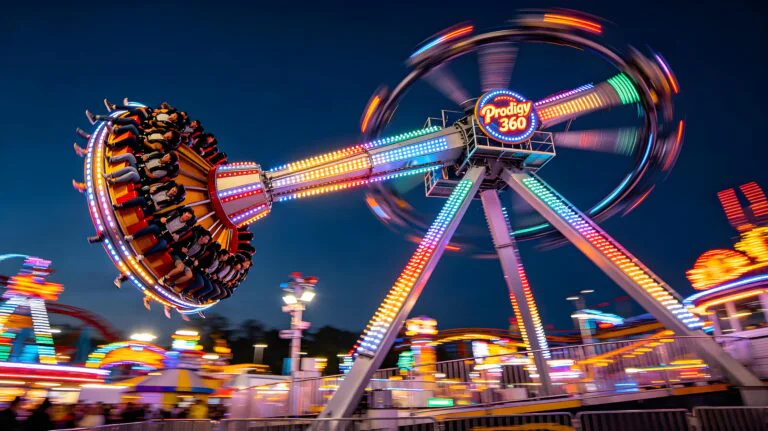
Many people use the terms theme park and amusement park as if they mean the same thing. While both offer exciting rides and family entertainment, they are built on different concepts and deliver unique guest experiences.
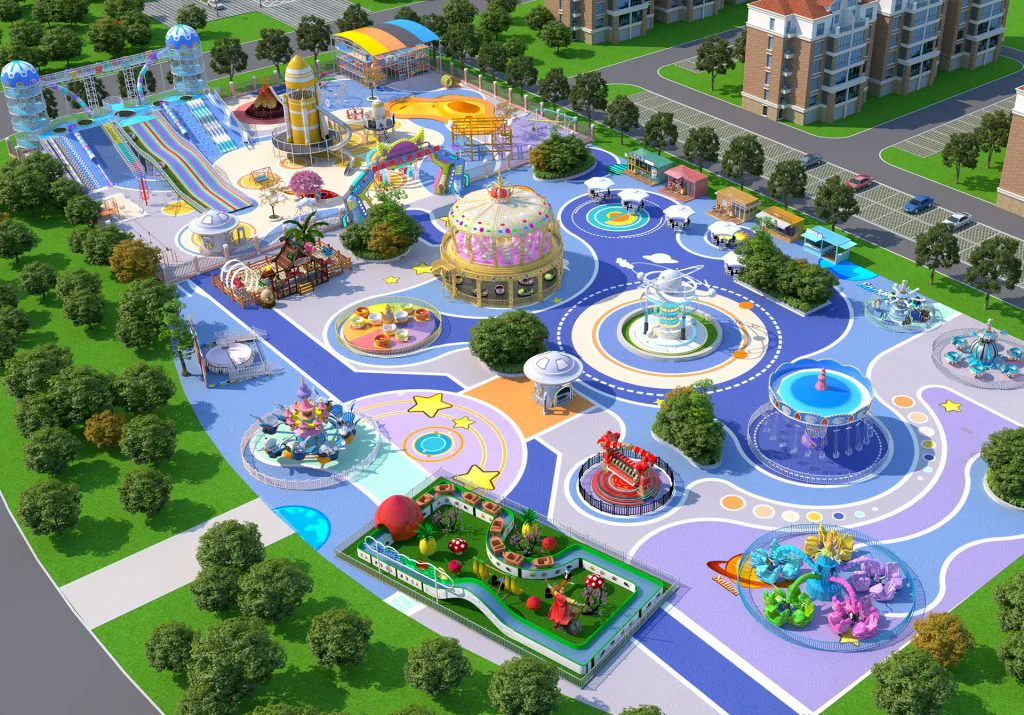
So, why is a theme park different from an amusement park?
The simple answer is that a theme park is built around a central story or theme, while an amusement park focuses primarily on rides and attractions. This difference affects everything from park design and entertainment to visitor experience and investment costs.
Quick Answer
A theme park creates an immersive environment where attractions, architecture, entertainment, food, and shopping all support a consistent theme or storyline.
An amusement park is designed primarily to entertain guests through a variety of rides, games, and attractions without requiring a unified theme.
Theme Park vs Amusement Park at a Glance
| Feature | Theme Park | Amusement Park |
|---|---|---|
| Primary Purpose | Immersive storytelling | Ride-based entertainment |
| Overall Design | Unified theme | Collection of attractions |
| Architecture | Themed buildings and landscapes | Functional park layout |
| Attractions | Story-driven rides and shows | Mechanical rides and games |
| Entertainment | Characters, parades, performances | Rides and occasional shows |
| Visitor Stay | One to several days | Half day to one day |
| Development Cost | High | Moderate |
| Revenue Sources | Tickets, hotels, dining, retail | Tickets, rides, food, games |
What Makes a Theme Park Unique?
A theme park is much more than a place with rides. Every element works together to transport visitors into another world.
1. A Unified Theme
Every area follows a specific concept, such as:
- Fairy tales
- Adventure
- Space exploration
- Ancient civilizations
- Wildlife
- Movies and animation
- Fantasy worlds
The theme influences everything guests see and experience.
2. Immersive Architecture
Unlike traditional amusement parks, theme parks invest heavily in:
- Custom buildings
- Decorative landscapes
- Artificial mountains
- Water features
- Special lighting
- Background music
- Themed signage
These elements create a believable environment that enhances immersion.
3. Story-Driven Attractions
Theme park rides often tell a story.
Instead of simply riding a roller coaster, guests may travel through:
- Haunted castles
- Jungle adventures
- Outer space missions
- Pirate battles
- Fantasy kingdoms
Advanced technology, sound effects, and detailed scenery help create memorable experiences.
What Defines an Amusement Park?
Amusement parks prioritize entertainment through rides and attractions.
Their main objective is to maximize fun rather than immerse visitors in a specific story.
Popular attractions include:
- Roller coasters
- Ferris wheels
- Carousel rides
- Bumper cars
- Swing rides
- Pirate ships
- Drop towers
- Family rides
- Arcade games
Many amusement parks feature dozens of rides with different thrill levels, making them popular destinations for day trips.
Comparing the Visitor Experience
Theme Parks
Visitors enjoy a complete entertainment destination that may include:
- Themed rides
- Character meet-and-greets
- Live shows
- Seasonal festivals
- Interactive attractions
- Fireworks
- Unique restaurants
- Immersive shopping
Guests often spend one or more days exploring every themed area.
Amusement Parks
Visitors generally focus on:
- Riding attractions
- Playing games
- Eating snacks
- Watching occasional performances
The experience is typically centered on maximizing the number of rides enjoyed during a visit.
Ride Design: More Than Just Thrills
One of the biggest differences lies in ride design.
Amusement Parks
Ride selection usually focuses on excitement and capacity.
Examples include:
Theme Parks
The same rides may be transformed with:
- Storylines
- Animated characters
- Audio effects
- Projection mapping
- Detailed scenery
- Interactive elements
The result is a more immersive experience that appeals to a broader audience.
Park Layout and Planning
Theme parks require extensive master planning.
Every section must fit the overall narrative while maintaining smooth visitor flow.
This involves:
- Carefully designed pathways
- Consistent architecture
- Landscaping
- Hidden operational areas
- Integrated entertainment zones
Amusement parks are generally easier to expand because new rides can be added wherever space is available.
Cost Differences
Creating an immersive world requires significant investment.
Theme Park Development Includes:
- Themed architecture
- Decorative landscapes
- Show buildings
- Audio-visual systems
- Live entertainment venues
- Hotels
- Restaurants
- Retail districts
Amusement Park Development Includes:
- Ride installation
- Basic landscaping
- Food courts
- Games
- Parking facilities
- Essential infrastructure
As a result, theme parks usually require a much larger initial investment.
Which Is Better for Families?
Both park types are family-friendly, but they appeal to different preferences.
Theme Parks Are Ideal For:
- Young children
- Family vacations
- Multi-generational groups
- Fans of immersive experiences
- Visitors interested in entertainment beyond rides
Amusement Parks Are Ideal For:
- Thrill seekers
- Teenagers
- Budget-conscious families
- Local day trips
- Guests who prioritize rides
Business Perspective: Which Model Is More Profitable?
The answer depends on location, target audience, and investment goals.
Advantages of Theme Parks
- Higher spending per guest
- Longer visitor stays
- Premium ticket pricing
- Hotel revenue
- Strong merchandise sales
- High customer loyalty
Advantages of Amusement Parks
- Lower construction costs
- Faster development
- Easier expansion
- Lower operating expenses
- Faster return on investment (ROI)
Investors often choose between these models based on available capital and long-term business objectives.
The Role of Ride Manufacturers
Whether developing an amusement park or a theme park, choosing the right ride supplier is critical.
Modern manufacturers offer attractions such as:
- Roller coasters
- Trackless trains
- Ferris wheels
- Carousel rides
- Flying chairs
- Bumper cars
- Pendulum rides
- Family rides
- Water attractions
- Custom-themed rides
For theme parks, many manufacturers also provide decorative facades, themed vehicles, lighting systems, and customized ride designs to match a park’s identity.
Industry Trends in 2026
Both amusement parks and theme parks are embracing new technologies to improve the guest experience.
Popular trends include:
- AI-powered guest services
- Smart queue management
- Virtual reality attractions
- Augmented reality experiences
- Interactive ride systems
- Energy-efficient equipment
- Cashless payments
- Sustainable park operations
- Personalized digital experiences
These innovations help parks attract more visitors while improving operational efficiency.
Tips for Choosing Between a Theme Park and an Amusement Park
Choose a theme park if you want:
- Immersive storytelling
- Character experiences
- Live entertainment
- Multi-day vacations
- Rich visual environments
Choose an amusement park if you prefer:
- More rides
- Lower admission costs
- Shorter visits
- Thrill-focused attractions
- Flexible day trips
Frequently Asked Questions (FAQ)
Why is a theme park different from an amusement park?
A theme park features a unified theme that connects its attractions, architecture, entertainment, and dining. An amusement park focuses primarily on rides and attractions without a consistent storyline.
Is every theme park an amusement park?
Yes. Every theme park is a type of amusement park because it offers rides and attractions. However, not every amusement park qualifies as a theme park.
Which type of park is more expensive to build?
Theme parks generally require a much larger investment due to themed architecture, immersive attractions, entertainment, landscaping, hotels, and supporting infrastructure.
Which park is better for children?
Theme parks often provide more attractions for younger children, including character experiences, family shows, and gentle rides. Amusement parks may be better for older children and teenagers who enjoy thrill rides.
Which park offers a better overall experience?
It depends on your preferences. If you enjoy immersive storytelling and entertainment, a theme park is likely the better choice. If your priority is experiencing as many rides as possible, an amusement park may provide better value.