In the amusement industry, the comparison between antique carnival rides and modern rides is a key topic for theme park developers, investors, and enthusiasts. Each category represents a different era of engineering, design philosophy, and guest experience.

Antique carnival rides are known for their nostalgia, simplicity, and mechanical charm, while modern rides focus on advanced technology, immersive storytelling, and high-thrill experiences.
In 2026, many parks combine both styles to create balanced entertainment environments that appeal to all age groups.
What Are Antique Carnival Rides?
Antique carnival rides refer to early-generation amusement attractions, often inspired by designs from the late 19th and early 20th centuries.
Key Characteristics:
- Mechanical or analog systems
- Decorative vintage aesthetics
- Simple motion patterns
- Lower speed and intensity
- Family-friendly experience
Common Examples:
- Carousels
- Ferris wheels
- Swing boats
- Bumper cars
- Mini train rides
These rides are often restored or replicated with modern safety upgrades while preserving their classic look.
What Are Modern Amusement Rides?
Modern rides represent advanced amusement engineering developed in the late 20th century and beyond.
Key Characteristics:
- Computer-controlled systems
- High-speed and high-thrill experiences
- Immersive storytelling and theming
- Advanced safety sensors
- Complex mechanical and hydraulic systems
Common Examples:
- Inverted roller coasters
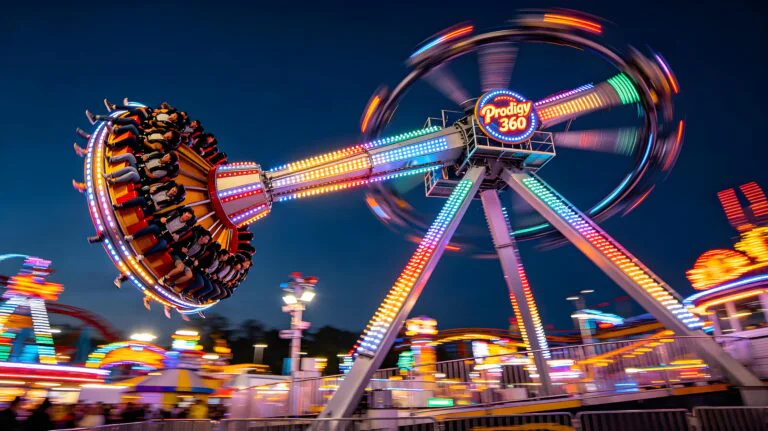
- 360-degree pendulum rides
- VR-integrated attractions
- Magnetic launch coasters
- Motion simulator rides
Modern rides are designed to deliver maximum excitement and immersive engagement.
Key Differences Between Antique and Modern Rides
1. Design Philosophy
Antique Rides:
- Focus on simplicity and tradition
- Decorative and handcrafted appearance
- Slow and predictable motion
Modern Rides:
- Focus on innovation and thrill
- High-tech visual effects
- Dynamic motion systems
2. Technology Level
Antique Rides:
- Mechanical gears and motors
- Manual or basic electrical control
- Limited automation
Modern Rides:
- AI-assisted control systems
- Digital ride monitoring
- Advanced hydraulic and magnetic systems
3. Safety Systems
Antique Rides:
- Basic mechanical safety upgrades
- Retrofitted modern restraints
- Manual inspection-based operation
Modern Rides:
- Real-time sensor monitoring
- Automated emergency shutdown systems
- Advanced restraint and braking technology
4. Ride Experience
Antique Rides:
- Relaxing and nostalgic
- Family-friendly
- Low to moderate intensity
Modern Rides:
- High adrenaline and thrill-focused
- Immersive storytelling experience
- Multi-sensory effects (sound, light, motion)
5. Cost and Investment
Antique Rides:
- Lower initial cost
- Moderate maintenance requirements
- Suitable for small parks and fairs
Modern Rides:
- High capital investment
- Higher operational complexity
- Strong long-term revenue potential
6. Maintenance Requirements
Antique Rides:
- Simpler mechanical systems
- Easier repairs
- Frequent manual inspection
Modern Rides:
- Advanced diagnostic systems
- Specialized technicians required
- Predictive maintenance tools
7. Theming and Visual Style
Antique Rides:
- Vintage, rustic, hand-painted aesthetics
- Classic carnival atmosphere
Modern Rides:
- Futuristic or cinematic themes
- LED lighting and projection systems
- Immersive environments
Which One Is Better for Amusement Parks?
The answer depends on park goals and audience type.
Choose Antique Rides If:
- You want a nostalgic or heritage theme
- Your target audience includes families and children
- You operate a small or seasonal park
- You prefer lower investment risk
Choose Modern Rides If:
- You want to attract thrill-seekers
- You are building a large-scale theme park
- You aim for high marketing impact
- You want immersive storytelling experiences
Why Many Parks Combine Both
In 2026, the most successful amusement parks use a hybrid approach:
- Antique rides create emotional nostalgia
- Modern rides deliver high-energy excitement
- Together they balance visitor demographics
This combination improves:
- Visitor retention
- Market reach
- Revenue diversity
Industry Perspective: “Prodigy-Style” Blended Attractions
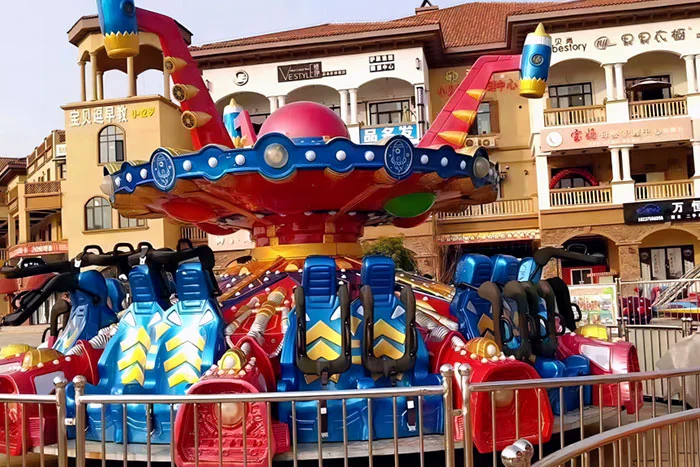
The concept of “Prodigy-style amusement rides” refers to blending:
- Classic ride aesthetics
- Modern safety engineering
- Efficient operational systems
- Balanced cost-performance design
This hybrid model is increasingly popular for new amusement park developments.
Cost Comparison Summary
| Category | Antique Rides | Modern Rides |
|---|---|---|
| Initial Cost | Low–Medium | High |
| Maintenance | Low–Medium | Medium–High |
| Safety Tech | Basic–Modernized | Advanced |
| Experience Type | Nostalgic | Thrill/Immersive |
| ROI Potential | Stable | High Growth |
Future Trends in 2026
Both antique and modern rides are evolving:
Antique Ride Trends:
- LED retro lighting upgrades
- Electric drive modernization
- Portable vintage ride systems
Modern Ride Trends:
- AI-powered ride control
- VR/AR integration
- Energy-efficient propulsion systems
- Smart safety monitoring
Frequently Asked Questions (FAQ)
What is the main difference between antique and modern rides?
Antique rides focus on simplicity and nostalgia, while modern rides emphasize technology and thrill.
Are antique carnival rides still safe?
Yes, if they are properly maintained and upgraded to meet modern safety standards.
Which type of ride is more profitable?
Modern rides often generate higher revenue, but antique rides offer stable long-term returns with lower costs.
Can amusement parks use both types?
Yes, combining both is the most common and successful strategy.