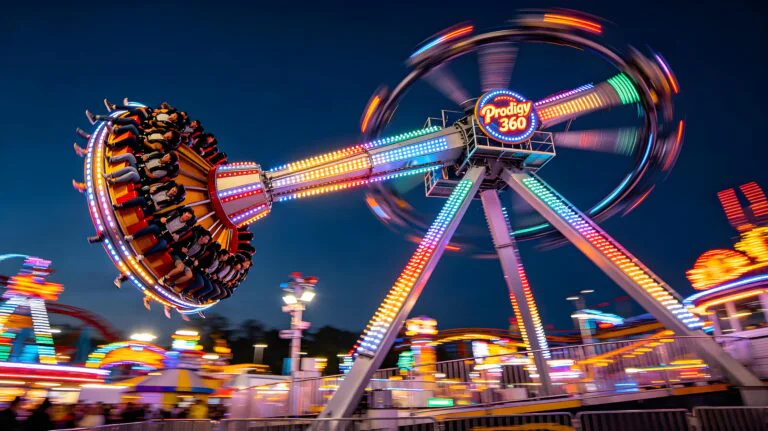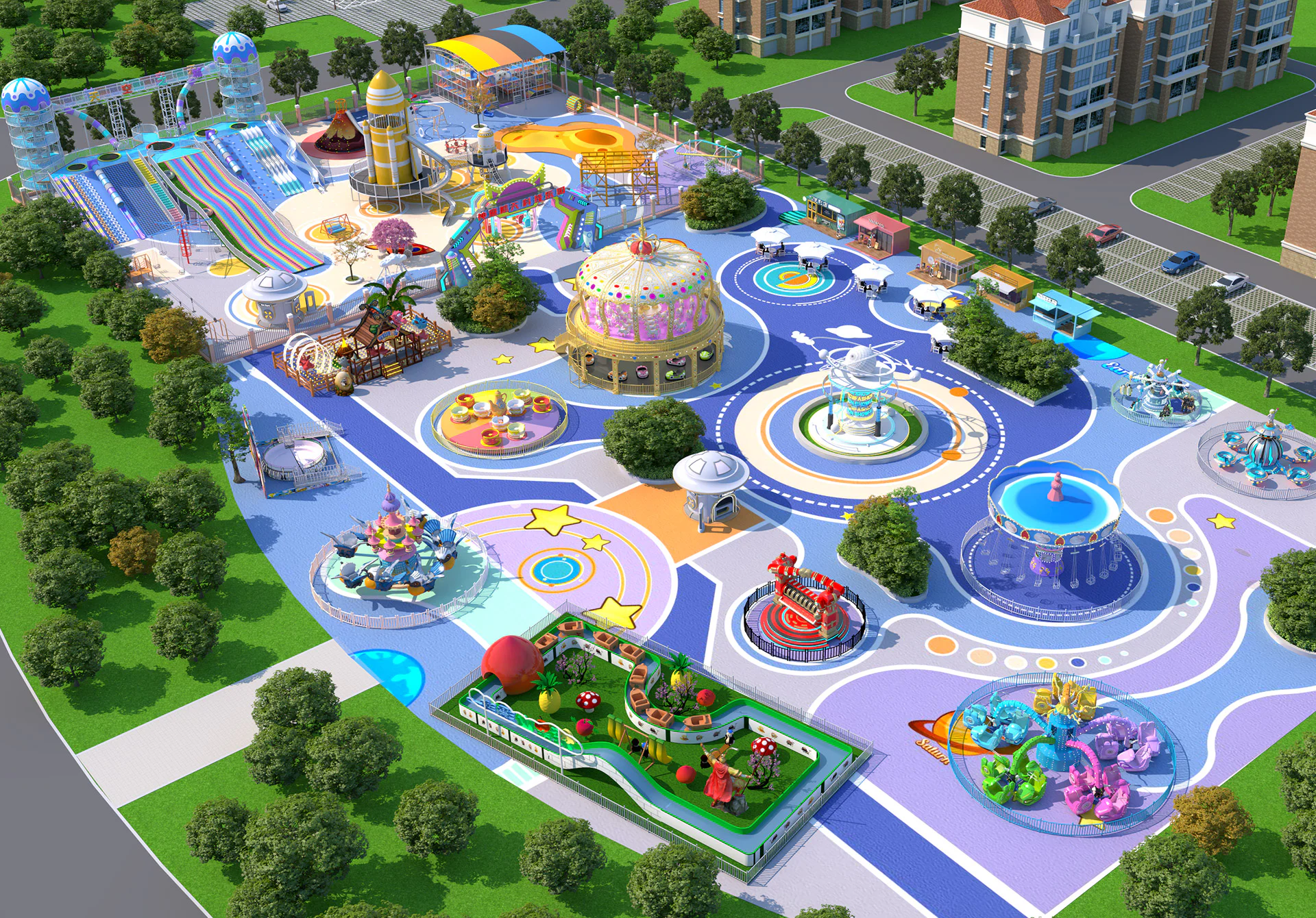
For decades, both theme parks and amusement parks have been popular destinations for families, tourists, and thrill seekers. However, in recent years, theme parks have become increasingly popular worldwide, attracting millions of visitors each year.
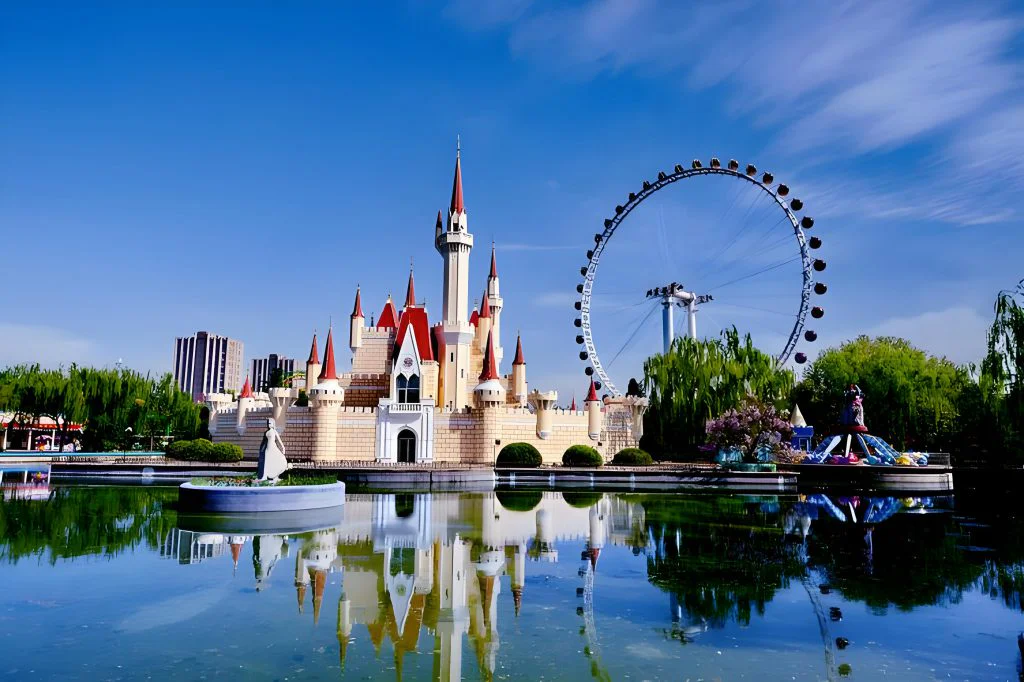
So, why do people prefer theme parks over amusement parks?
The answer lies in the overall experience. While amusement parks focus primarily on rides and games, theme parks combine attractions with immersive storytelling, detailed environments, live entertainment, themed dining, and unforgettable experiences. They transform a simple day of fun into an adventure that visitors remember long after they leave.
Quick Answer
People often prefer theme parks because they offer:
- Immersive storytelling
- Attractions for all ages
- More entertainment beyond rides
- Beautiful themed environments
- Better dining and shopping
- Longer and more memorable visits
- Interactive experiences
- Higher overall value for vacation travelers
Theme Park vs Amusement Park: Quick Comparison
| Feature | Theme Park | Amusement Park |
|---|---|---|
| Main Focus | Storytelling and immersive entertainment | Mechanical rides and attractions |
| Guest Experience | Highly immersive | Ride-focused |
| Entertainment | Shows, parades, characters | Mostly rides |
| Dining | Themed restaurants | Standard food courts |
| Shopping | Immersive retail experiences | Basic souvenir shops |
| Length of Stay | One to three days | Half day to one day |
| Family Appeal | Excellent | Very good |
| Emotional Connection | Strong | Moderate |
1. Theme Parks Offer Immersive Storytelling
The biggest reason people prefer theme parks is immersion.
Rather than simply riding attractions, guests become part of carefully designed worlds inspired by fantasy, adventure, history, movies, or science fiction.
Every detail contributes to the experience, including:
- Architecture
- Landscaping
- Background music
- Ride vehicles
- Staff costumes
- Restaurants
- Merchandise
- Interactive attractions
This level of immersion creates memorable experiences that traditional amusement parks rarely match.
2. More Than Just Rides
Amusement parks primarily focus on mechanical attractions such as:
Theme parks include these attractions while adding:
- Live performances
- Character interactions
- Themed shows
- Fireworks
- Parades
- Interactive exhibits
- Seasonal festivals
Visitors enjoy a full day of entertainment even when they are not riding attractions.
3. Better for Families
Theme parks are designed to entertain every member of the family.
Children enjoy:
- Character meet-and-greets
- Gentle rides
- Interactive playgrounds
- Educational attractions
Teenagers appreciate:
- Thrill rides
- Virtual reality experiences
- Adventure attractions
Adults often value:
- Beautiful landscapes
- Fine dining
- Shopping
- Live entertainment
- Cultural experiences
This broad appeal makes theme parks ideal for multi-generational vacations.
4. Strong Emotional Connections
Theme parks create emotional memories through storytelling.
Visitors often remember:
- Their favorite characters
- Spectacular nighttime shows
- Family traditions
- Iconic landmarks
- Holiday celebrations
These emotional experiences encourage guests to return year after year.
Amusement parks generally focus more on excitement than emotional engagement.
5. Beautiful Environments
One of the first things visitors notice is the atmosphere.
Theme parks invest heavily in:
- Decorative architecture
- Gardens
- Water features
- Artificial mountains
- Scenic walkways
- Lighting
- Music
Guests enjoy exploring the park even when they are not participating in attractions.
In contrast, regular amusement parks usually prioritize ride placement and operational efficiency.
6. More Entertainment Throughout the Day
Theme parks offer entertainment almost continuously.
Examples include:
- Stage productions
- Street performances
- Cultural shows
- Music concerts
- Character parades
- Fireworks displays
- Interactive experiences
This variety keeps visitors engaged throughout their stay.
7. Higher-Quality Dining Experiences
Dining is an important part of the modern theme park experience.
Guests can choose from:
- Themed restaurants
- International cuisine
- Character dining
- Signature desserts
- Specialty cafés
- Fine dining experiences
Many visitors plan meals as part of the overall attraction.
Amusement parks typically offer simpler quick-service dining options.
8. Better Shopping Experiences
Theme parks feature unique retail environments where visitors can purchase:
- Exclusive collectibles
- Character merchandise
- Limited-edition souvenirs
- Themed apparel
- Toys
- Home décor
Shopping becomes another form of entertainment rather than simply purchasing souvenirs.
9. Perfect for Vacation Destinations
Theme parks are often designed as complete resorts.
Many include:
- Hotels
- Water parks
- Entertainment districts
- Convention centers
- Golf courses
- Nighttime attractions
This encourages guests to stay for multiple days and explore everything the destination offers.
Most amusement parks are designed primarily for day trips.
10. Constant Innovation
Theme parks continuously introduce new attractions and technologies.
Popular innovations include:
- Virtual reality rides
- Augmented reality experiences
- Interactive queue systems
- Artificial intelligence guest services
- Mobile park navigation
- Smart wristbands
- Personalized itineraries
- Cashless payment systems
These advancements improve convenience while creating more engaging experiences.
Why Some Visitors Still Prefer Amusement Parks
Despite the popularity of theme parks, amusement parks continue to attract millions of guests each year.
Advantages include:
- Lower admission prices
- More thrill rides
- Shorter visits
- Easier access
- Lower vacation costs
- Simpler planning
Visitors focused primarily on exciting rides often find amusement parks to be the better choice.
Theme Parks vs Amusement Parks: Which Offers Better Value?
The answer depends on what visitors expect.
Theme Parks Deliver Value Through:
- Immersive experiences
- Family entertainment
- Live shows
- Beautiful environments
- Premium dining
- Multiple attractions beyond rides
Amusement Parks Deliver Value Through:
- Affordable tickets
- More rides per visit
- Flexible schedules
- Convenient locations
- Excellent day-trip entertainment
Both options provide excellent value for different types of travelers.
Business Perspective
The popularity of theme parks has important implications for investors.
Why Developers Invest in Theme Parks
Theme parks generate revenue from multiple sources, including:
- Admission tickets
- Hotels
- Restaurants
- Retail stores
- VIP experiences
- Premium events
- Annual passes
- Parking
- Sponsorships
This diversified business model can produce higher long-term profitability than relying primarily on ride admissions.
Ride Manufacturers Support Both Park Types
Modern ride manufacturers supply attractions for both amusement parks and theme parks.
Popular attractions include:
Family Attractions
- Trackless trains
- Carousel rides
- Ferris wheels
- Mini coasters
- Family spinning rides
Thrill Attractions
- Giant pendulum rides
- Launch coasters
- Flying theaters
- Drop towers
- Water rides
For theme parks, manufacturers increasingly offer custom-themed ride vehicles, decorative façades, synchronized lighting, and immersive audio systems to create cohesive guest experiences.
Future Trends
As guest expectations evolve, theme parks continue to lead innovation in the attractions industry.
Emerging trends include:
- Artificial intelligence
- Sustainable park design
- Energy-efficient rides
- Digital queue management
- Personalized guest experiences
- Interactive storytelling
- Smart wearables
- Immersive mixed reality attractions
These technologies are helping theme parks become even more engaging and efficient.
Frequently Asked Questions (FAQ)
Why do people prefer theme parks over amusement parks?
Most people prefer theme parks because they offer immersive storytelling, themed attractions, live entertainment, high-quality dining, and experiences that go beyond traditional rides.
Are theme parks better for families?
Yes. Theme parks generally provide attractions and entertainment for all age groups, making them ideal for family vacations and multi-generational travel.
Do theme parks have more rides than amusement parks?
Not necessarily. Amusement parks often feature more mechanical rides, while theme parks balance rides with shows, interactive attractions, themed environments, and entertainment.
Why are theme parks more expensive?
Theme parks invest heavily in architecture, landscaping, technology, entertainment, themed dining, hotels, and immersive attractions, resulting in higher operating and development costs.
Are amusement parks still popular?
Absolutely. Amusement parks remain popular because they offer thrilling rides, lower ticket prices, and excellent value for visitors seeking a fun day trip without the added expense of a destination resort.