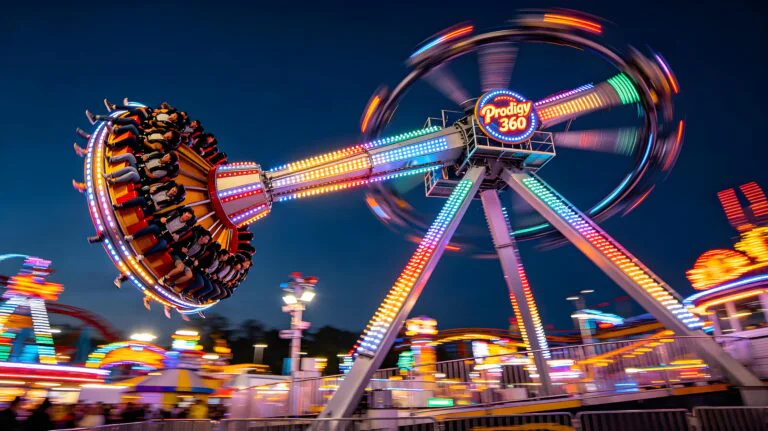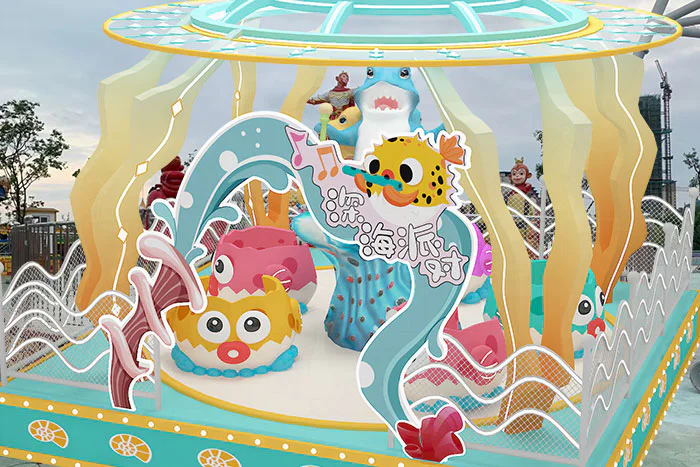
When planning a family vacation or researching attractions, you may wonder: What makes a theme park different from a regular amusement park? Although these terms are often used interchangeably, they represent two distinct concepts in the attractions industry.
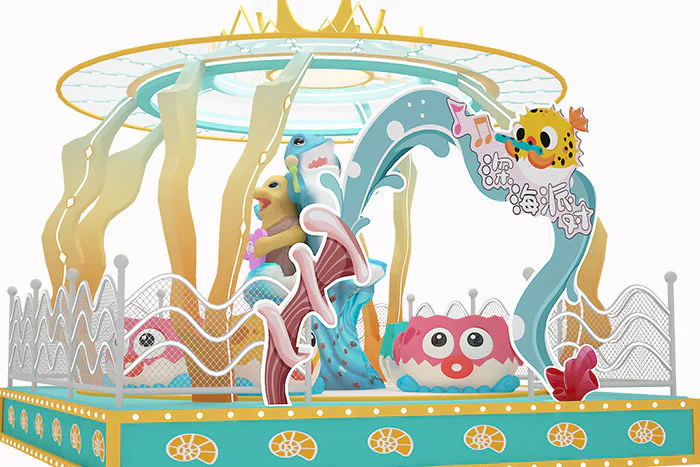
A theme park offers an immersive experience built around a central story or concept, while a regular amusement park focuses primarily on rides, games, and entertainment. Both can provide unforgettable experiences, but they differ significantly in design philosophy, guest engagement, operational strategy, and investment requirements.
Quick Answer
The biggest difference is immersion.
- A theme park creates a complete world where rides, architecture, landscaping, entertainment, dining, and shopping all follow a consistent theme.
- A regular amusement park emphasizes mechanical rides and attractions without requiring a unified storyline or immersive environment.
While every theme park is an amusement park, not every amusement park is a theme park.
Theme Park vs Regular Amusement Park: Comparison Table
| Feature | Theme Park | Regular Amusement Park |
|---|---|---|
| Primary Focus | Storytelling and immersive experiences | Rides and entertainment |
| Overall Design | Unified theme | Functional layout |
| Architecture | Themed buildings and scenery | Standard structures |
| Attractions | Story-based rides and experiences | Mechanical rides and games |
| Live Entertainment | Extensive | Limited |
| Dining | Themed restaurants | Traditional food courts |
| Shopping | Immersive retail experiences | Standard souvenir shops |
| Average Visit | 1–3 days | Half day to 1 day |
| Initial Investment | High | Moderate |
| Visitor Spending | Higher | Moderate |
What Is a Theme Park?
A theme park is designed around a central concept that influences every aspect of the guest experience.
Popular themes include:
- Fantasy kingdoms
- Adventure
- Space exploration
- Ancient civilizations
- Wildlife
- Movies and television
- Fairy tales
- Science fiction
Every attraction, building, employee costume, restaurant, and souvenir shop supports the park’s overall narrative.
Instead of simply offering rides, theme parks invite guests to become part of the story.
What Is a Regular Amusement Park?
A regular amusement park is built to provide fun through a variety of attractions and mechanical rides.
Typical attractions include:
- Roller coasters
- Ferris wheels
- Carousel rides
- Bumper cars
- Swing rides
- Pirate ships
- Drop towers
- Family rides
- Arcade games
Although some amusement parks may include decorative elements or themed sections, storytelling is not their primary focus.
7 Key Differences Between Theme Parks and Regular Amusement Parks
1. Storytelling vs. Ride Collection
The defining characteristic of a theme park is storytelling.
Every attraction contributes to an overall narrative that creates emotional engagement and memorable experiences.
Regular amusement parks focus instead on providing a wide selection of rides, with little or no connection between them.
2. Immersive Design
Theme parks invest heavily in visual details.
Examples include:
- Elaborate architecture
- Artificial mountains
- Waterfalls
- Landscaping
- Background music
- Themed lighting
- Decorative pathways
- Costumed employees
These features make visitors feel as though they have entered another world.
Regular amusement parks typically prioritize efficient layouts and ride accessibility over immersive design.
3. Ride Experience
In a regular amusement park, the thrill of the ride is the main attraction.
In a theme park, rides become part of a larger story through features such as:
- Animated scenes
- Projection mapping
- Special effects
- Interactive queues
- Character appearances
- Customized soundtracks
Even family rides become immersive adventures rather than simple mechanical experiences.
4. Entertainment Options
Theme parks usually offer a broader range of entertainment.
These may include:
- Live theater productions
- Daily parades
- Fireworks
- Character meet-and-greets
- Seasonal festivals
- Interactive performances
Regular amusement parks focus primarily on rides, with occasional live shows or special events.
5. Dining and Shopping
Food and retail experiences are also different.
Theme Parks
Visitors enjoy:
- Themed restaurants
- Character dining
- Specialty cafés
- Immersive retail stores
- Exclusive merchandise
Regular Amusement Parks
Dining typically includes:
- Fast food
- Snack stands
- Ice cream shops
- Standard souvenir stores
Theme parks often generate substantial revenue from themed dining and merchandise.
6. Length of Visit
Theme parks encourage longer stays.
Many guests spend:
- One full day
- Two-day weekends
- Multi-day vacations
This is possible because theme parks often include:
- Hotels
- Water parks
- Entertainment districts
- Nighttime shows
- Shopping complexes
Regular amusement parks are generally designed for half-day or single-day visits.
7. Investment and Operating Costs
Theme parks require significantly larger investments due to:
- Themed architecture
- Decorative environments
- Advanced ride systems
- Entertainment venues
- Hotels
- Landscaping
- Technology integration
Regular amusement parks are less expensive to build and expand because they focus on attractions rather than immersive infrastructure.
Which Is Better for Families?
The answer depends on your family’s preferences.
Theme Parks Are Best For:
- Families with young children
- Vacation travelers
- Multi-generational groups
- Fans of movies or storytelling
- Guests seeking immersive experiences
Advantages
- Gentle family rides
- Character interactions
- Educational attractions
- Live performances
- Memorable themed environments
Regular Amusement Parks Are Best For:
- Thrill seekers
- Teenagers
- Local visitors
- Budget-conscious families
- Short day trips
Advantages
- More rides
- Lower admission costs
- Shorter wait times at smaller parks
- Flexible schedules
Which Offers Better Value?
Value depends on what visitors expect.
Theme Park Value
Higher ticket prices often include:
- Immersive attractions
- Multiple entertainment options
- Premium dining
- Interactive experiences
- Longer visit durations
Amusement Park Value
Visitors benefit from:
- Affordable admission
- Numerous rides
- Lower food costs
- Easy accessibility
- Faster visits
How Technology Is Changing Both Types of Parks
The attractions industry continues to evolve with innovative technologies.
Current trends include:
- Artificial intelligence for guest services
- Virtual reality attractions
- Augmented reality experiences
- Smart queue systems
- Mobile park navigation
- Cashless payments
- Interactive ride vehicles
- Sustainable ride technology
- Energy-efficient lighting
- Personalized guest experiences
Both theme parks and amusement parks are adopting these innovations to improve operational efficiency and visitor satisfaction.
Choosing the Right Ride Equipment
Whether developing a theme park or a regular amusement park, selecting the right attractions is essential.
Popular ride categories include:
- Roller coasters
- Trackless trains
- Ferris wheels
- Flying chairs
- Carousel rides
- Bumper cars
- Pendulum rides
- Family spinning rides
- Water attractions
- Observation towers
For theme parks, many manufacturers also offer custom-themed ride vehicles, decorative façades, and integrated lighting and sound systems to support immersive storytelling.
Tips for Visitors
When deciding between a theme park and a regular amusement park, consider:
- Your budget
- Children’s ages
- Length of your trip
- Interest in thrill rides
- Preference for immersive experiences
- Dining expectations
- Entertainment preferences
Families planning a vacation may benefit more from a theme park, while those looking for a fun day out may find a regular amusement park offers excellent value.
Frequently Asked Questions (FAQ)
What makes a theme park different from a regular amusement park?
A theme park combines rides, architecture, entertainment, dining, and retail into a unified story or theme. A regular amusement park primarily focuses on rides and attractions without a consistent narrative.
Is every theme park an amusement park?
Yes. Theme parks are a specialized type of amusement park that adds immersive storytelling and themed environments to traditional attractions.
Which is more expensive to build?
Theme parks generally require much higher investment because they include themed buildings, landscaping, entertainment venues, hotels, and advanced technologies.
Which park is better for children?
Theme parks often provide more attractions for younger children, including gentle rides, character experiences, and interactive shows. Regular amusement parks are especially popular with older children and teenagers who enjoy thrill rides.
Which offers more rides?
Regular amusement parks often feature a larger number of mechanical rides, while theme parks balance attractions with entertainment, storytelling, and immersive experiences.