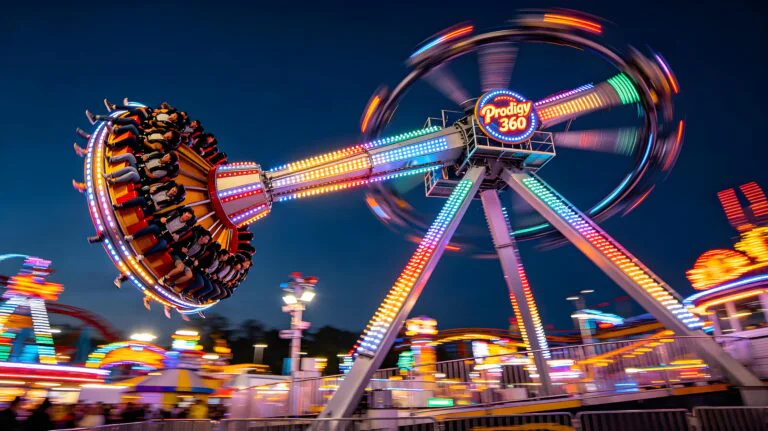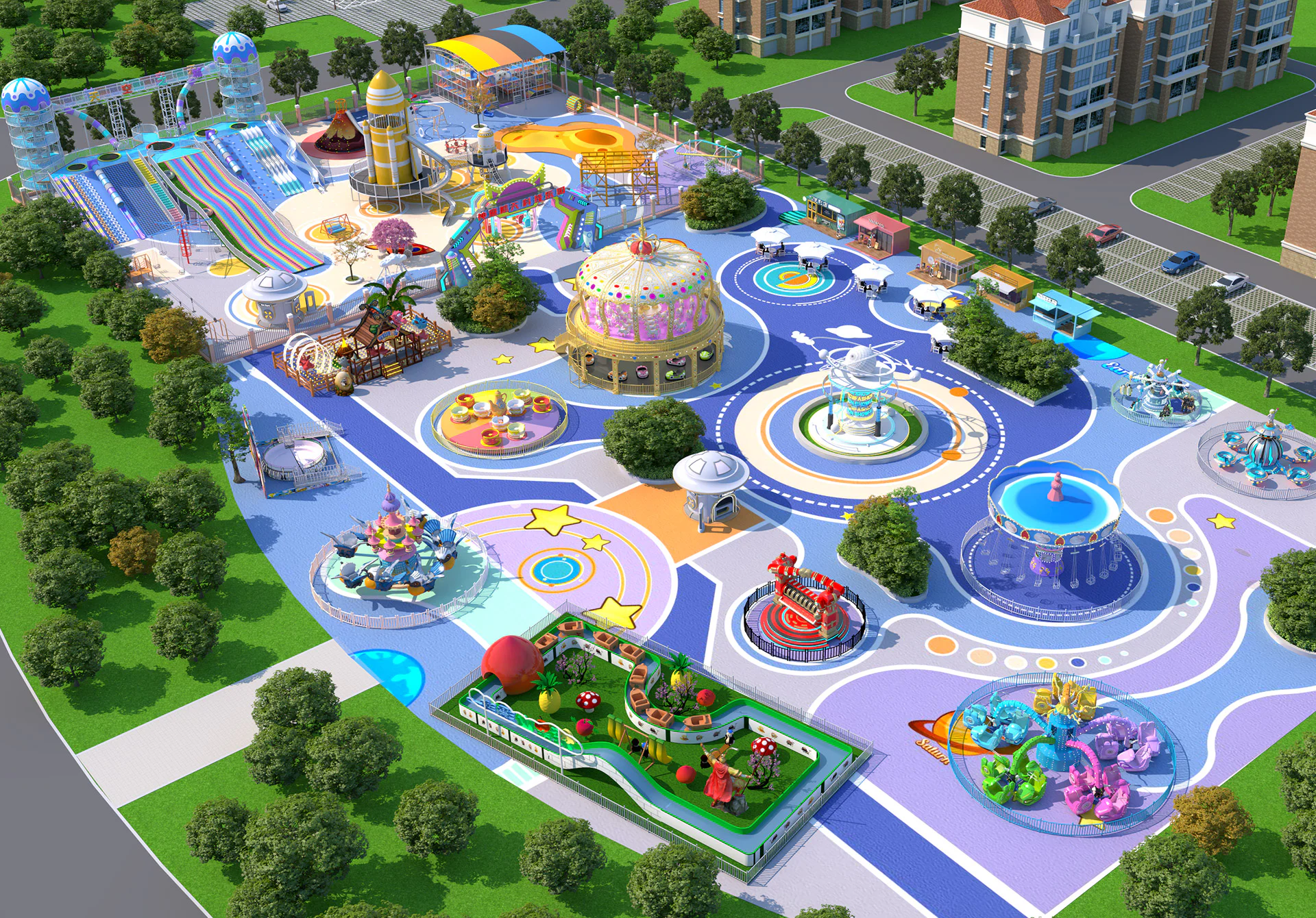
When choosing a destination for a family vacation or planning a new entertainment business, one common question arises: What are the benefits of theme parks compared to amusement parks?

Although both provide exciting rides and entertainment, theme parks offer much more than mechanical attractions. They create immersive environments where storytelling, architecture, entertainment, dining, and shopping work together to deliver a memorable experience.
Quick Answer
The primary benefit of a theme park is that it offers a complete entertainment experience rather than simply a collection of rides.
Compared to amusement parks, theme parks provide:
- Immersive storytelling
- Stronger emotional engagement
- Better family experiences
- More entertainment options
- Higher-quality dining and shopping
- Longer visitor stays
- Greater brand loyalty
- Increased revenue opportunities
Theme Park vs Amusement Park: Quick Comparison
| Feature | Theme Park | Amusement Park |
|---|---|---|
| Main Focus | Storytelling and immersive experiences | Mechanical rides and attractions |
| Visitor Experience | Multi-dimensional | Ride-focused |
| Architecture | Fully themed | Functional |
| Entertainment | Shows, parades, characters | Mostly rides |
| Dining | Themed restaurants | Standard food courts |
| Shopping | Immersive retail | Basic souvenir shops |
| Length of Stay | 1–3 days | Half day to 1 day |
| Guest Spending | Higher | Moderate |
| Investment Cost | Higher | Lower |
1. Immersive Storytelling Creates Lasting Memories
One of the greatest advantages of theme parks is their ability to transport guests into another world.
Every element supports a unified story, including:
- Buildings
- Landscapes
- Ride vehicles
- Background music
- Costumes
- Restaurants
- Retail stores
- Interactive attractions
Instead of simply riding an attraction, visitors become part of an adventure.
This emotional connection encourages repeat visits and creates lasting family memories.
2. Better Family Experiences
Theme parks are designed to entertain guests of every age.
Families can enjoy:
- Gentle children’s rides
- Thrill attractions
- Interactive play zones
- Character meet-and-greets
- Live stage shows
- Educational exhibits
- Seasonal festivals
Unlike many amusement parks that emphasize thrill rides, theme parks balance excitement with experiences suitable for toddlers, parents, and grandparents alike.
3. More Entertainment Beyond the Rides
Theme parks provide entertainment throughout the day.
Popular attractions include:
- Daily parades
- Fireworks
- Live performances
- Music shows
- Character experiences
- Interactive exhibitions
- Street entertainment
- Cultural performances
Visitors can enjoy a full schedule even if they spend less time on rides.
4. Higher-Quality Dining Experiences
Dining is part of the attraction at many theme parks.
Guests often enjoy:
- Themed restaurants
- Character breakfasts
- International cuisine
- Fine dining
- Specialty desserts
- Immersive cafés
These dining experiences become memorable attractions themselves.
Traditional amusement parks typically focus on fast food, snack stands, and quick-service meals.
5. Unique Shopping Opportunities
Theme parks often feature exclusive merchandise connected to their themes.
Examples include:
- Character collectibles
- Custom apparel
- Limited-edition souvenirs
- Interactive toys
- Themed home décor
Retail environments are carefully designed to extend the storytelling experience.
This increases visitor satisfaction while generating significant revenue for park operators.
6. Longer Visitor Stays
Theme parks encourage guests to spend more time exploring.
Many visitors stay:
- One full day
- Entire weekends
- Multi-day vacations
This is possible because theme parks often include:
- Hotels
- Water parks
- Entertainment districts
- Nighttime spectaculars
- Shopping villages
- Resort amenities
By comparison, amusement parks are typically designed for single-day visits.
7. Greater Emotional Connection
Visitors often develop strong emotional attachments to theme parks.
This happens because of:
- Memorable stories
- Iconic characters
- Beautiful environments
- Family traditions
- Seasonal celebrations
These emotional connections inspire repeat visits and long-term customer loyalty.
8. Educational and Cultural Value
Many modern theme parks incorporate educational experiences.
Visitors may learn about:
- Wildlife conservation
- Space exploration
- Science
- History
- Different cultures
- Environmental sustainability
Interactive exhibits make learning enjoyable for children and adults alike.
9. Better Photo Opportunities
Today’s travelers love sharing experiences on social media.
Theme parks offer countless photo-worthy locations, including:
- Landmark castles
- Themed streets
- Decorative gardens
- Character encounters
- Seasonal displays
- Nighttime lighting
These visual experiences encourage organic online promotion and enhance the park’s reputation.
10. Increased Business Opportunities
From a business perspective, theme parks provide multiple revenue streams beyond ticket sales.
These include:
- Hotels
- Restaurants
- Retail stores
- VIP experiences
- Event hosting
- Premium attractions
- Membership programs
- Parking
- Seasonal festivals
- Sponsorship opportunities
Diversified income sources improve long-term financial stability.
Theme Parks vs Amusement Parks for Investors
Investors often compare these two business models carefully.
Advantages of Theme Parks
- Higher average guest spending
- Strong brand identity
- Longer visitor stays
- Premium pricing opportunities
- Greater merchandise sales
- Increased repeat visitation
- Destination tourism appeal
Advantages of Amusement Parks
- Lower construction costs
- Faster development
- Lower operating expenses
- Simpler maintenance
- Faster return on investment (ROI)
Although amusement parks require less capital, theme parks often achieve higher long-term profitability when supported by strong management and effective marketing.
How Ride Selection Supports Theme Park Success
Successful theme parks combine thrilling attractions with immersive experiences.
Popular ride categories include:
Family Attractions
Thrill Attractions
- Launch coasters
- Giant pendulum rides
- Drop towers
- Flying theaters
- Water rides
Interactive Attractions
- Motion simulators
- Dark rides
- Interactive shooting rides
- Virtual reality experiences
- Augmented reality adventures
Custom-themed ride designs help strengthen the overall storytelling experience.
Technology Is Transforming Theme Parks
Modern theme parks continue to adopt advanced technologies.
Popular innovations include:
- Artificial intelligence for guest services
- Virtual queue systems
- Mobile apps
- Augmented reality
- Virtual reality
- Interactive ride vehicles
- Smart wristbands
- Cashless payments
- Personalized itineraries
- Sustainable ride technologies
These innovations improve operational efficiency while enhancing visitor satisfaction.
Are Theme Parks Worth the Higher Cost?
For many families, the answer is yes.
Although admission prices are generally higher, visitors receive:
- More entertainment options
- Longer experiences
- Better dining
- Richer storytelling
- Greater immersion
- Family-friendly activities
- Memorable vacations
The value extends well beyond the rides themselves.
Frequently Asked Questions (FAQ)
What are the biggest benefits of theme parks compared to amusement parks?
Theme parks provide immersive storytelling, themed environments, live entertainment, diverse dining, interactive attractions, and longer visitor experiences, creating a more comprehensive entertainment destination.
Why do families often prefer theme parks?
Theme parks offer activities for every age group, including gentle rides, character interactions, live shows, educational exhibits, and themed attractions that appeal to children, parents, and grandparents alike.
Are theme parks more profitable than amusement parks?
Although theme parks require higher initial investments, they often generate greater long-term revenue through hotels, dining, merchandise, premium experiences, and longer guest stays.
Are theme parks better for vacations?
Yes. Theme parks are often designed as destination resorts with multiple attractions, accommodations, entertainment districts, and seasonal events, making them ideal for multi-day vacations.
Why are theme parks more expensive?
Theme parks invest heavily in immersive architecture, landscaping, technology, entertainment, themed dining, and high-quality guest experiences, which increases both development and operating costs.