As the amusement park industry enters 2026, the landscape has shifted dramatically. Gone are the days when a simple carousel and a small roller coaster could attract crowds for years.
Today’s visitors — especially Generation Alpha, digital natives born into a world of tablets and smartphones — demand more than just mechanical motion. They crave immersive, interactive, and unforgettable experiences that blend physical thrills with digital engagement.
The term “prodigy ride” refers to attractions that excel in innovation, engineering brilliance, and guest engagement — the gifted geniuses of the amusement ride world. For new parks launching in 2026 and beyond, selecting the right mix of these exceptional rides is not merely a design choice; it is a survival strategy. This guide presents the top 10 must-have prodigy rides, ranked based on ROI potential, guest appeal, maintenance practicality, and alignment with 2026 industry trends.
Ultimately, building a sustainable ride portfolio is not about chasing expensive one-off attractions. Experienced operators know that a balanced mix — combining high-visibility star rides with mid-thrill family attractions and high-capacity revenue generators — creates the strongest foundation for long-term profitability.
The Selection Criteria for 2026 Prodigy Rides
Before diving into the list, it helps to understand the metrics that define a truly “prodigy” ride in 2026:
- Theoretical Hourly Ride Capacity (THRC): How many riders per hour can the attraction serve during peak periods?
- Multi-generational appeal: Can families ride together, or will parents be forced to wait on the sidelines?
- Repeat ridership: Does the experience compel guests to ride again immediately?
- Operational expenses (OpEx): How much does the ride cost to run and maintain over its lifespan?
- Immersive technology integration: Does the ride incorporate 4D motion, AR/VR, or interactive gaming elements that keep guests engaged?
With these criteria in mind, here are the top 10 must-have prodigy rides for new amusement parks in 2026.
1. Signature Roller Coaster — The Iconic Traffic Driver
No amusement park feels complete without a signature roller coaster. This is the ride that appears in marketing materials, draws thrill-seekers from miles away, and defines your park’s identity. However, new parks in 2026 don’t necessarily need the tallest or fastest — they need the smartest.
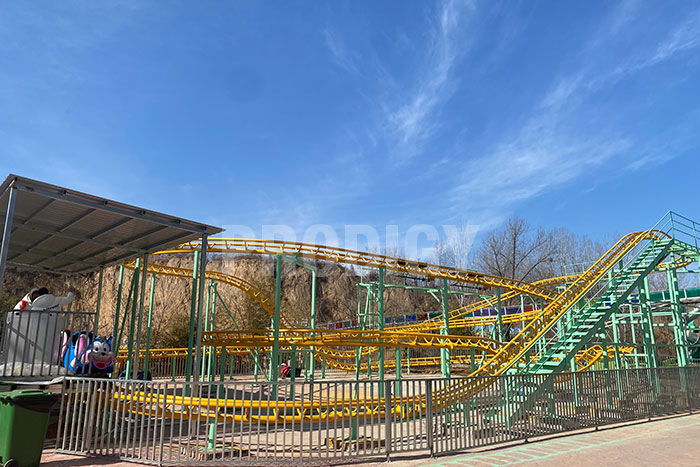
2026 recommendation: Consider a single-rail coaster — a format proven to deliver high-intensity thrills with a smaller footprint and lower construction costs than traditional multi-track designs. Alternatively, explore hybrid coasters that combine steel track with wooden support structures, offering unique ride dynamics and visual appeal.
Why it’s a prodigy: A well-placed signature coaster becomes your park’s “anchor,” driving attendance and generating social media buzz. For new parks, it’s often the single largest investment — but also the most powerful marketing tool.
Investment hint: Beyond the sheer thrill, a top-tier signature coaster also serves as a visual centerpiece for your park’s skyline. It can effectively anchor your marketing campaigns and become the ride that guests specifically travel to experience.
2. High-Capacity Carousel — The Silent Revenue Generator
The carousel might seem old-fashioned, but in 2026, it remains one of the most mathematically profitable rides in any park. A standard 24-seat commercial carousel with a 4–5 minute cycle time can accommodate roughly 12 cycles per hour, translating to 288 riders per hour.

Why it’s a prodigy: Modern carousels have evolved — top-tier models now abandon cheap base-drive systems in favor of top-mounted transmission mechanisms (Up-Drive) and automotive-grade FRP (Fiberglass Reinforced Plastic) that resist fading. They accommodate toddlers, teens, and grandparents simultaneously, maximizing family group spending.
Quick Math: At a modest 4perticket,asinglecarouselcangenerateover1,150 per hour during peak operation, making it one of your park’s highest-ROI investments.
3. Drop Tower — The Compact Thrill Landmark
Drop tower rides — whether free-fall towers, gyro drops, or turbo drops — are among the most recognizable thrill attractions worldwide. Their dramatic vertical rise and sudden free-fall create intense guest reactions that translate directly into repeat ridership and social media content.
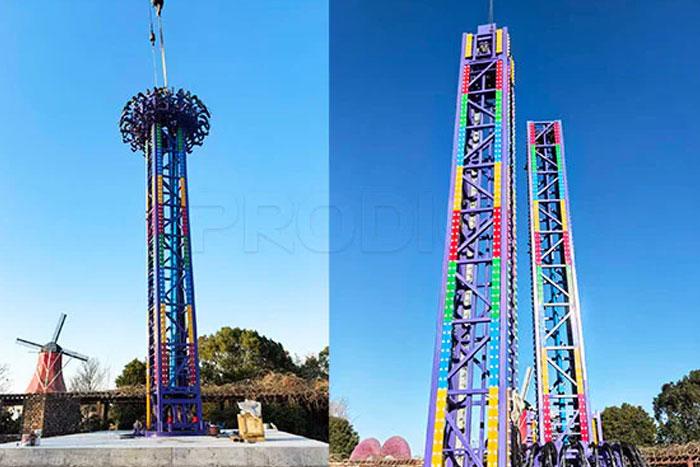
2026 recommendation: New parks should consider mid-sized drop towers (40–60 meters) from established manufacturers such as Intamin, Zamperla, or Carnee Rides, all of which offer strong customization options for height, capacity, and theming.
Why it’s a prodigy: Drop towers occupy minimal ground space while delivering maximum visual impact. Their compact footprint makes them ideal for parks with limited land area, yet their dramatic skyline presence rivals that of much larger coasters.
4. Interactive Dark Ride — The All-Weather Hero
In 2026, the hottest trend in amusement design is the “phygital” experience — blending physical motion with digital interactivity. Interactive dark rides represent this trend at its finest: guests board vehicles equipped with blasters, touchscreens, or motion sensors and actively participate in a story. These rides are not just attractions; they are mobile interactive terminals.
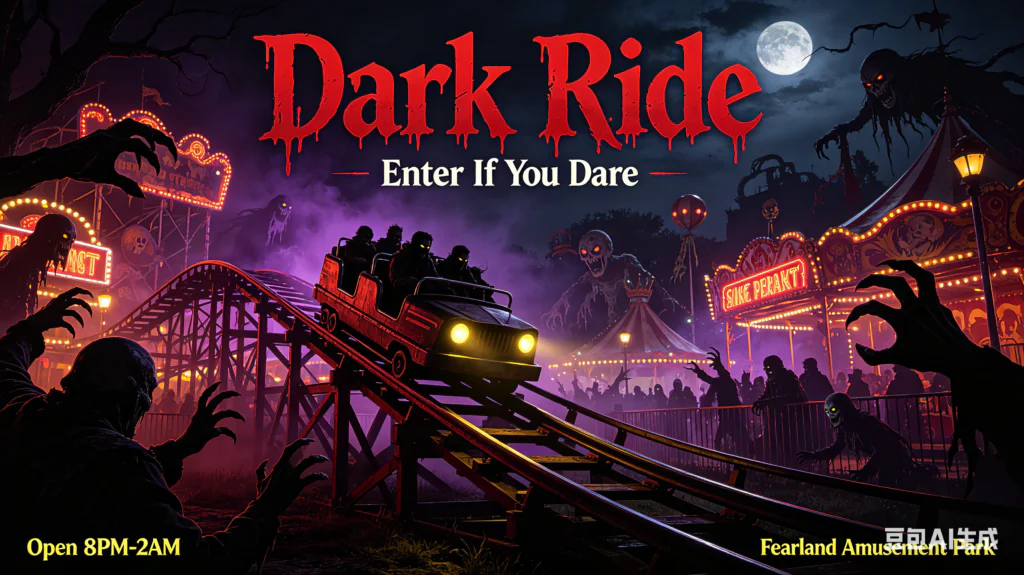
2026 recommendation: The industry’s most ambitious dark ride investments — such as Dollywood’s $50 million NightFlight Expedition — prove that immersive storytelling can justify large capital outlays and become a park’s most beloved attraction.
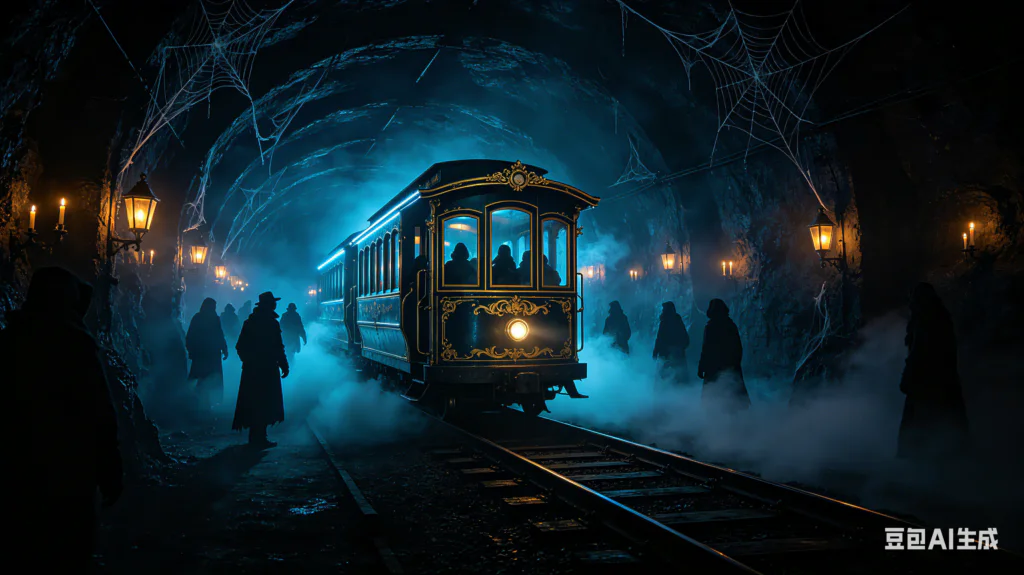
Key Features to Look For:
- 4D dynamic motion seats synchronized with on-screen gameplay
- Shooting targets with integrated scoring systems and leaderboards
- Modular scenery designs that can be updated seasonally
- Gamified ride interfaces that encourage repeat visits to “beat the high score”
Why it’s a prodigy: Dark rides operate indoors, making them weatherproof and year-round revenue drivers. They also create strong emotional connections with guests, directly encouraging return visits.
5. Flying Chairs (Swing Ride) — High Throughput, Low Maintenance
Flying Chairs — also known as swing rides — are often overlooked by new investors chasing extreme thrills. Yet these attractions consistently rank among the safest and most profitable choices for new parks.
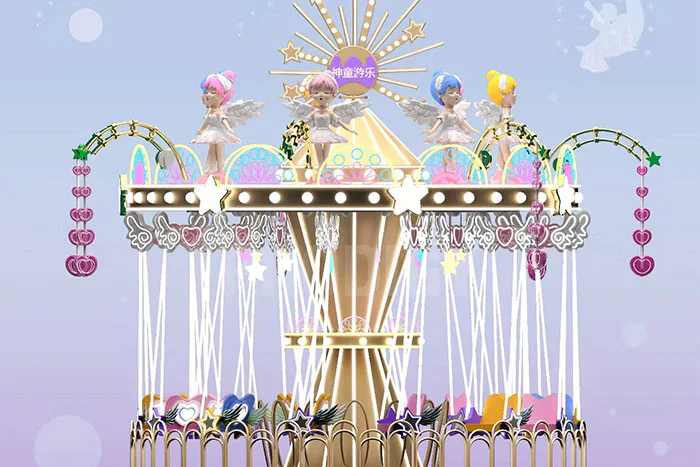
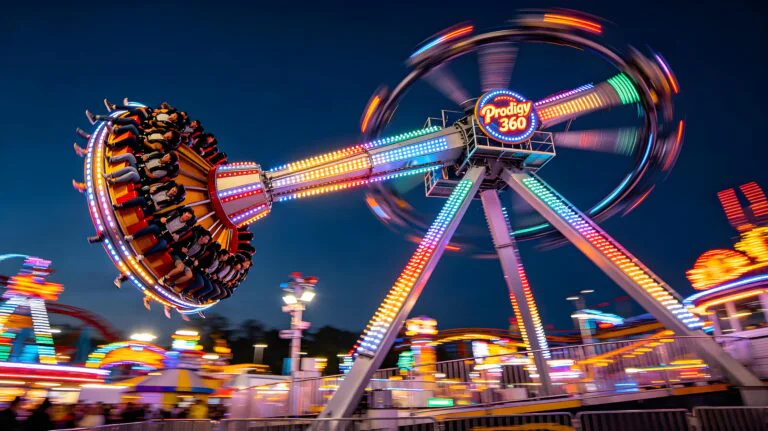
Guests sit in suspended chairs that swing outward as the ride rotates, creating a light, airy sensation that appeals to cautious riders and thrill-seekers alike. At night, illuminated swing rides become powerful visual anchors for your park’s skyline.
Why it’s a prodigy: High throughput (easily 300–500 riders per hour), low operational complexity, and wide age appeal make swing rides reliable cash generators. In several Southeast Asian and Middle Eastern projects, swing rides consistently show high repeat usage with minimal operational downtime.
6. Pirate Ship — Universal Recognition, Proven Performance
Few rides are as universally recognized and beloved as the pirate ship. The pendulum-style swinging motion — building height gradually before cresting in a stomach-dropping free-swing — delivers controlled intensity that appeals to families and teens alike.
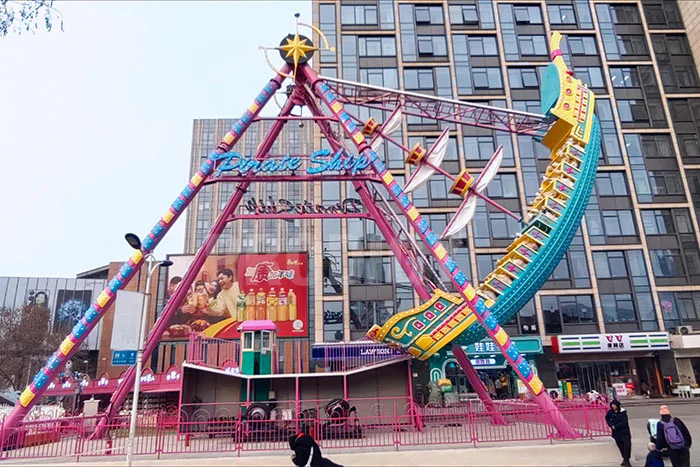
2026 recommendation: Modern pirate ships now feature programmable swing sequences (not just fixed arcs), synchronized lighting, and on-board audio systems. These upgrades transform a classic flat ride into a mini-spectacular that can be re-themed seasonally.
Why it’s a prodigy: Pirate ships require no special foundations (unlike large coasters), have relatively low maintenance costs, and deliver some of the highest thrill-per-square-foot ratios of any flat ride. For new parks on a budget, this is an excellent “hero ride” that won’t break the bank.
7. Trackless Electric Train — Mobile Revenue Generator
Trackless trains serve a dual purpose: they are both paid attractions and internal transportation systems. In larger parks or expansive venues, foot traffic often clusters near the entrance, leaving deeper zones underutilized. Trackless trains solve this by physically moving guests — and their wallets — to retail and dining areas.

Why it’s a prodigy: With lithium-ion battery technology now standard, modern trackless trains operate quietly, emit zero fumes, and can run for full days on a single charge. An IP-themed trackless train — for example, featuring proprietary characters from your park’s branding — also functions as a moving marketing asset that reinforces your park’s identity.
Strategic Note: Beyond transportation, the trackless train itself is an engaging family experience. For young children, the journey is often as exciting as destination — meaning you can charge per-ride fees while simultaneously upselling food and merchandise at the stop points.
8. Family Roller Coaster — The “First Big Kid” Coaster
Not every guest wants extreme inversions and 70+ mph speeds. Family roller coasters occupy the crucial middle ground — exciting enough for teens but gentle enough for children ready to graduate from kiddie rides. In 2026, parks are increasingly recognizing that family-friendly coasters drive consistent attendance, while extreme coasters attract peak-day crowds.
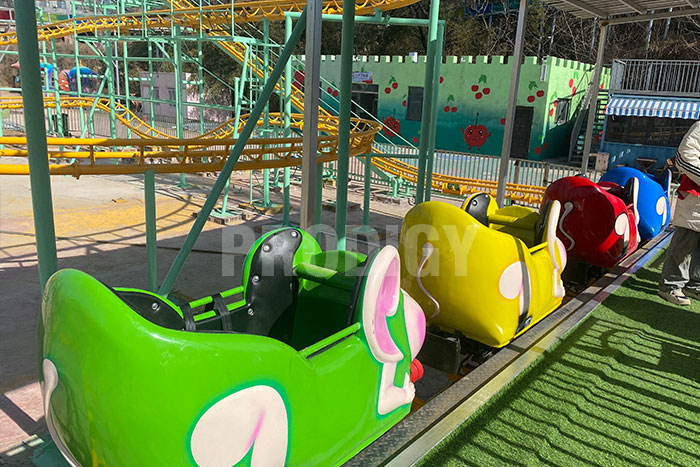
2026 recommendation: Look for launch-style family coasters with moderate speeds (25–40 mph) and no inversions. These deliver the thrill of acceleration without the intimidation of loops or corkscrews. Lowered height requirements also mean more families can ride together.
Why it’s a prodigy: Family coasters often have the highest repeat ridership of any ride type — parents ride with each child, creating multiple paid admissions per family per visit.
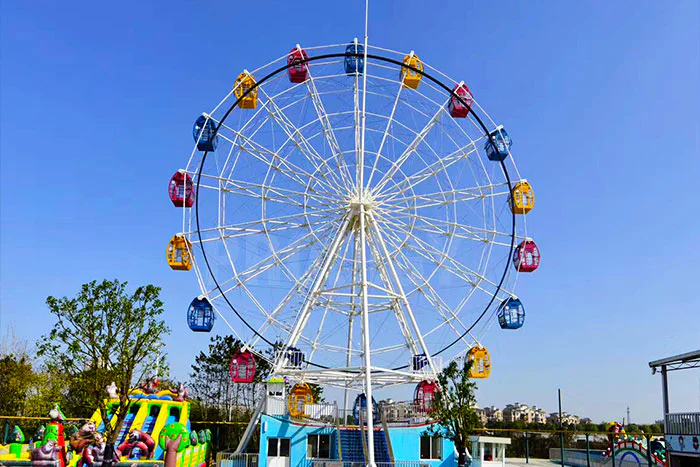
9. Ferris Wheel — The Skyline Icon
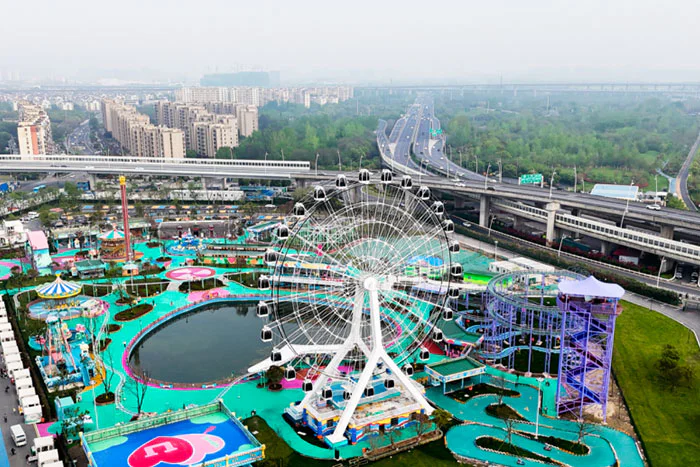
A Ferris wheel — or its larger cousin, the observation wheel — is more than a ride; it’s a landmark. Guests pay for the view, the photo opportunity, and the sense of achievement. In 2026, modern Ferris wheels feature fully enclosed, climate-controlled gondolas and dynamic LED lighting systems that transform the wheel into a nighttime spectacle.
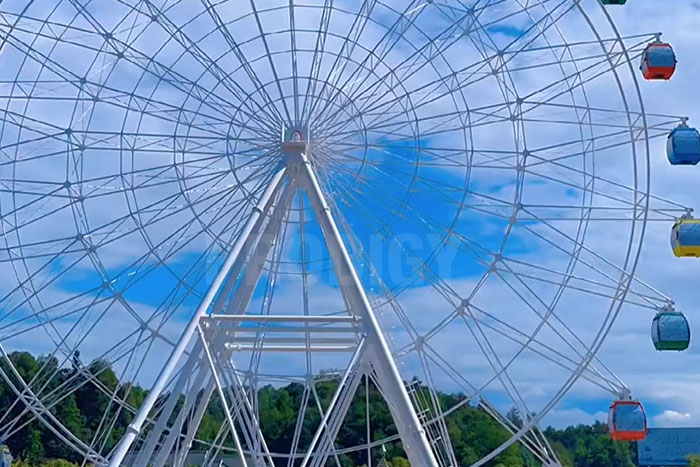
Why it’s a prodigy: Ferris wheels achieve two critical goals for new parks: they anchor the visual identity of the park (appearing in all drone footage, promotional materials, and social media posts) and they operate with very low per-rider operating costs (electric motors, no intense wear-and-tear components).
ROI Insight: The Ferris wheel’s immense family appeal and year-round operational versatility make it an extremely dependable investment. In many markets, parks have extended operating hours specifically to capitalize on nighttime Ferris wheel rides, which often command premium ticket pricing.
10. AI-Powered Interactive Ride — The Future-Proof Bet
The most forward-thinking “prodigy” category for 2026 is the AI-powered interactive ride. These attractions use computer vision, motion tracking, and generative AI to create gameplay that adapts to each rider’s behavior. Examples include:

- AI scoring dark rides: Where the difficulty adjusts based on rider performance
- Motion-sensor interactive floors: Where projected games respond to guest movements
- Voice- or gesture-controlled attractions: Where riders “cast spells” or “pilot vehicles” using natural movements
Why it’s a prodigy: Traditional rides offer the same experience every time, leading to diminishing returns on repeat visits. AI-powered rides offer near-infinite replayability — each ride can be different, driving repeat ticket sales and longer guest dwell times. Leading Chinese manufacturers are already integrating AR and 4D/5D sensory elements into traditional family rides as the new industry standard.
Comparison Table: Must-Have Prodigy Rides at a Glance
| Rank | Ride Type | Target Audience | Desired THRC | Primary ROI Driver | 2026 Innovation Factor |
|---|---|---|---|---|---|
| 1 | Signature Roller Coaster | Teens / Adults | 800–1,200+ | Attendance driver | Hybrid / single-rail tech |
| 2 | High-Capacity Carousel | All ages | 250–350 | Consistent cash flow | Up-drive + LED lighting |
| 3 | Drop Tower | Thrill-seekers | 400–600 | Compact thrill landmark | Height + theming options |
| 4 | Interactive Dark Ride | Families / All ages | 600–900 | Repeat ridership | 4D motion + AR/VR |
| 5 | Flying Chairs | Families / Cautious | 300–500 | High throughput | Seasonal LED effects |
| 6 | Pirate Ship | Families / Teens | 400–600 | Thrill per sq. ft. | Programmable swing cycles |
| 7 | Trackless Electric Train | Families / Kids | 200–400 | Secondary spend catalyst | IP-themed + zero-emission |
| 8 | Family Roller Coaster | Families / Children | 500–800 | Highest repeat ridership | Launch-style + lower height |
| 9 | Ferris Wheel | All ages | 400–1,000 | Skyline icon + view premium | Enclosed gondolas + LED |
| 10 | AI-Powered Interactive | Tech-savvy all ages | 300–600 | Endless replayability | Computer vision + adaptive AI |
Other Prodigy Ride Categories Worth Consideration
While the top 10 cover essential ground, new parks with larger budgets or specific niche positioning may also consider:
- Pendulum rides: Delivering height, motion, and spectacle in a compact footprint, these are excellent for parks with stable infrastructure.
- Splash battle / interactive water rides: Perfect for warmer climates, combining mild thrills with gamified water cannons.
- Looping spinning coaster: The Ride to Happiness model (spinning plus inversions) proves that unpredictability can be engineered with precision for chaotic yet euphoric experiences – ideal for parks aiming to stand out in a competitive regional market.
- Vertical launch coaster: For parks aspiring to compete with major chains, a launched coaster with 0–70+ mph acceleration provides undeniable thrill credentials.
How to Choose the Right Mix for Your New Park
Selecting the right combination of prodigy rides requires answering three fundamental questions:
- Who is your primary audience? Family-oriented parks should lean into carousels, family coasters, and dark rides. Thrill-focused parks need signature coasters, drop towers, and pendulum rides.
- What is your available space and budget? Small FECs (Family Entertainment Centers) may start with 5–8 rides, while destination theme parks may install 20+ attractions. Ride costs in 2026 range from under 10,000forsmallkiddieridestoupwardsof∗∗20 million for major custom installations**.
- What’s your phased opening plan? Experienced developers often open with a core set of 5–7 high-ROI rides (carousel, swing ride, family coaster, trackless train) and add signature thrill rides in Year 2 or 3, using initial revenue to fund expansion.
The Balanced Ride Portfolio Principle: Experienced operators rarely rely on a single “star ride.” Instead, they build a portfolio with three tiers: high-visibility attractions to draw attention, mid-thrill rides to keep families engaged, and high-capacity classics that generate steady cash flow.
Emerging 2026 Trends Shaping Ride Selection
As you plan your ride lineup, keep an eye on these industry shifts:
- Immersive and interactive technologies: The integration of 4D/5D sensory elements and AR into traditional family rides is becoming the new industry standard. Parks are demanding rides that offer gamified experiences.
- Eco-friendly engineering: Newly designed rides are increasingly utilizing sustainable construction materials and energy-efficient motor systems to reduce operational carbon footprints and electricity costs.
- Safety innovations: Real-time condition monitoring through IoT sensors is moving from premium to standard. Rides equipped with predictive maintenance alerts can reduce downtime by up to 40%.
- Phygital convergence: Traditional rides are being replaced by “phygital” (physical+digital) interactive experiences that synchronize motion seats with on-screen gameplay, creating immersion that cannot be replicated at home.
Final Checklist for New Park Ride Selection
Before finalizing your purchase agreements, confirm that each ride meets these criteria:
- Compliance with international safety standards (CE, ISO, ASTM, etc.)
- Demonstrated manufacturer experience with exports and after-sales support
- Clear documentation on maintenance schedules and spare parts availability
- LED-based lighting system for nighttime visibility
- Compatibility with your park’s ticketing and queue management systems
- Warranty terms and service response commitments
- Installation, training, and ongoing technical support included in pricing
Conclusion
Launching a new amusement park is one of the most capital-intensive ventures in the entertainment industry. Every ride you select must earn its place — not just in terms of upfront cost, but in ongoing guest satisfaction, operational reliability, and long-term ROI.
The top 10 prodigy rides outlined above represent the best of 2026’s ride engineering: from the timeless profitability of carousels to the cutting-edge immersion of AI-powered dark rides and the raw excitement of signature coasters. By building a balanced portfolio that serves all age groups and weather conditions, your new park can capture repeat visitation, maximize per-cap spending, and establish itself as a destination worth traveling for.
Start small, think smart, and ride into success. The future of amusement is interactive, sustainable, and unforgettable — and the right prodigy rides will get you there.