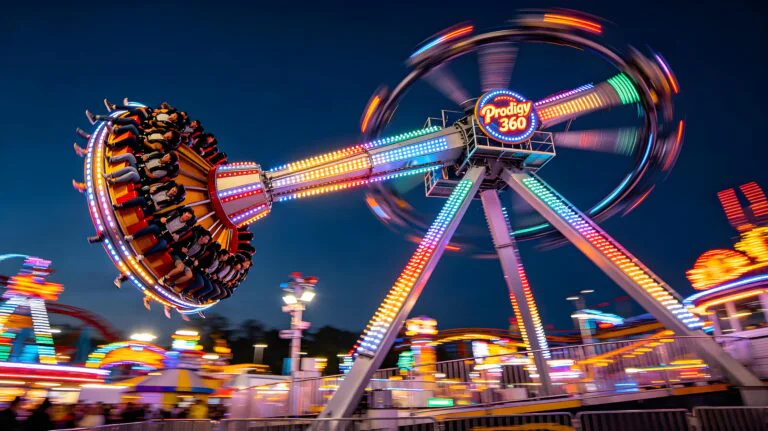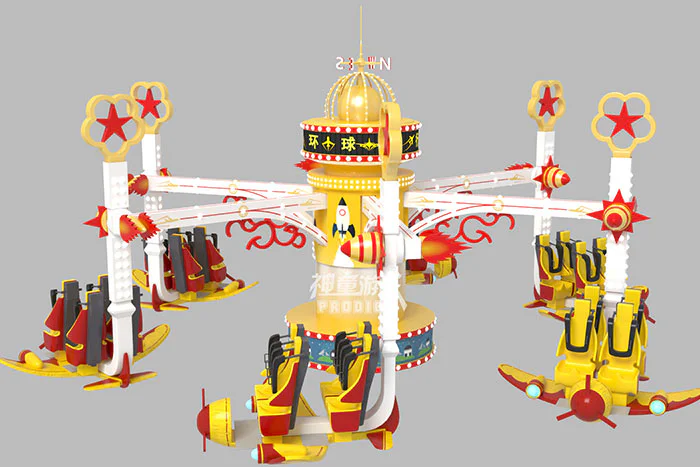
The global amusement equipment industry in 2026 is undergoing a major transformation driven by technology, changing visitor expectations, and the rapid expansion of the experience economy. Theme parks, family entertainment centers (FECs), and tourist attractions are no longer competing only on rides—they are competing on immersive experiences, storytelling, and digital integration.
For investors and operators, understanding the latest trends in amusement equipment industry 2026 is essential for building competitive and profitable entertainment destinations.
1. Immersive and Interactive Experiences Become the Standard
One of the strongest trends in 2026 is the shift from traditional rides to interactive, immersive attractions.
Modern amusement equipment increasingly includes:
- AR (Augmented Reality) ride integration
- VR motion simulation systems
- Interactive projection mapping
- Sensor-based gameplay attractions
- Multi-sensory themed environments
These technologies transform rides into story-driven experiences, increasing engagement and repeat visitation.
2. AI-Powered and Smart Amusement Systems
Artificial intelligence is becoming a core component of modern amusement equipment design and operation.
Key AI Applications:
- Smart ride control systems (automated safety adjustment)
- Visitor flow optimization in parks
- Predictive maintenance for equipment
- Personalized guest experiences
- Real-time performance monitoring
Industry exhibitions in 2026 highlight strong global demand for AI-integrated amusement systems, especially in export markets.
3. Modular and Flexible Ride Design
Another major trend is the rise of modular amusement equipment, designed for flexibility and faster installation.
Benefits of modular systems:
- Faster project deployment
- Lower transportation and installation costs
- Easy expansion and relocation
- Adaptability for different park sizes
This trend is especially important for:
- Small theme parks
- Indoor FECs
- Seasonal amusement setups
4. Experience Economy and “Story-Driven Parks”
In 2026, amusement parks are evolving into experience-based entertainment destinations rather than simple ride collections.
Operators are focusing on:
- Themed storytelling environments
- Immersive park zones (space, ocean, fantasy, mythology)
- Emotional engagement design
- Instagram-friendly visual attractions
The industry is shifting from “ride competition” to experience competition.
5. High Demand for Family-Friendly Equipment
While thrill rides remain important, 2026 shows strong growth in family and multi-age attractions.
Popular equipment includes:
- Carousels and themed merry-go-rounds
- Flying chairs and swing rides
- Trackless train systems
- Interactive kiddie zones
- Gentle motion simulation rides
This reflects a global shift toward inclusive entertainment for all age groups.
6. Digital Payment and Smart Park Integration
Modern amusement equipment is increasingly integrated into smart park ecosystems.
Key developments include:
- Cashless payment systems
- RFID and NFC ticketing
- App-based ride reservations
- Digital reward systems
- Visitor data analytics platforms
These systems improve operational efficiency and enhance guest convenience.
7. Sustainability and Eco-Friendly Equipment Design
Environmental responsibility is becoming a key requirement in 2026 amusement equipment manufacturing.
Sustainability trends include:
- Energy-efficient motors and systems
- Low-power LED lighting solutions
- Recyclable and durable materials
- Reduced noise and emissions
- Long-life mechanical components
Operators are increasingly prioritizing green amusement infrastructure for long-term sustainability.
8. IP-Themed and Cultural Amusement Rides
Licensed intellectual property (IP) and cultural storytelling are driving strong demand in global markets.
Examples include:
- Mythology-themed rides
- Animated character attractions
- Movie-based immersive experiences
- Cultural heritage storytelling rides
This trend helps parks build strong emotional connections with visitors and increase branding value.
9. Social Media-Driven Ride Design
In 2026, amusement equipment is designed with social media engagement in mind.
Key design priorities:
- Bright LED visual effects
- Photogenic ride structures
- Interactive selfie-friendly zones
- Night-time lighting shows
- Viral attraction potential
This helps parks gain free marketing through user-generated content.
10. Global Expansion of Mid-Sized Theme Parks
Industry data shows strong global growth in mid-sized theme parks and FECs, especially in Asia-Pacific and emerging markets.
Key drivers include:
- Lower investment barriers compared to mega parks
- High demand for local entertainment
- Rapid urbanization
- Tourism development initiatives
This increases demand for compact, cost-efficient amusement equipment solutions.