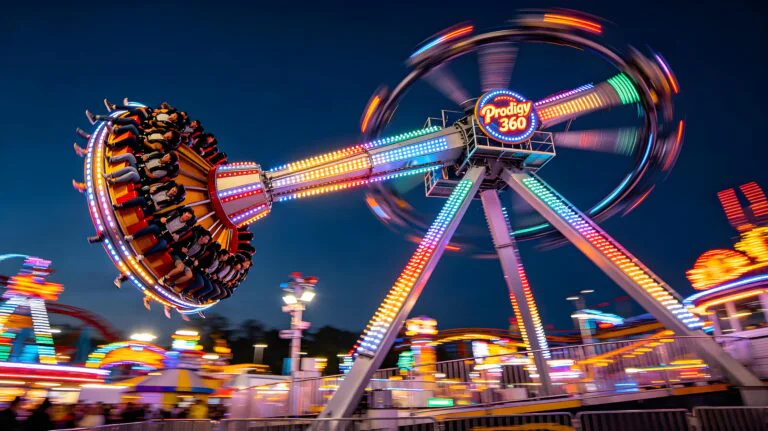
Standing in line for a massive roller coaster or a spinning dark ride is exciting – but also a little nerve‑wracking. Whether you’re a first‑timer or a seasoned thrill‑seeker, knowing how to prepare for theme park rides can mean the difference between an exhilarating memory and a miserable, dizzy, or even scary experience.

This guide covers everything: from choosing the right rides for your tolerance level, to what to eat beforehand, how to secure loose items, and how to mentally handle fear. Follow these steps, and you’ll walk onto every ride feeling confident.
Why Preparation Matters for Theme Park Rides
Rides put your body through rapid accelerations, inversions, drops, and spins. Without proper preparation, you risk:
- Motion sickness that ruins the rest of your day
- Losing your phone, glasses, or hat
- Physical discomfort (neck pain, headache, nausea)
- Panic or anxiety during the ride
A little advance planning ensures you enjoy the thrill – not just survive it.
Phase 1: Before You Even Enter the Park (General Prep)
1. Know Your Ride Tolerance Level
Be honest with yourself (and your group).
Thrill scale:
- Level 1: Kiddie rides, slow dark rides, carousels
- Level 2: Family coasters (no inversions), log flumes, teacups
- Level 3: Medium coasters with a few inversions, drop towers
- Level 4: Extreme coasters (launches, 5+ inversions, 200+ ft drops)
Start lower and work up. There’s no shame in skipping the giga‑coaster.
2. Eat Smart Before Ride Day
What you eat affects how you feel on rides.
- Good: Light, carb‑rich meal (toast, banana, oatmeal) 1–2 hours before riding
- Avoid: Heavy, greasy, or spicy foods (fried food, burgers, chili) – they increase nausea risk
- Stay hydrated with water, but don’t chug right before a spinning ride
Pro tip: Eat a small snack (pretzels, crackers) 30 minutes before a coaster to settle your stomach.
3. Choose Your Clothing Wisely
- Secure pockets: Zippered or buttoned pockets only. Velcro can fail.
- Closed‑toe shoes: Flip‑flops fly off on coasters. Sneakers with laces are best.
- No loose accessories: Remove hats, sunglasses, necklaces, or large earrings. Tie back long hair.
- Avoid glasses unless secured with a strap.
Phase 2: In the Queue – Mental & Physical Prep
4. Watch the Ride Before You Board
While waiting, observe:
- How fast does it go? Any inversions?
- Are riders screaming in fear or joy?
- The restraint system (over‑the‑shoulder, lap bar, etc.)
Watching reduces the unknown and helps you decide if you really want to ride.
5. Use the Restroom Before Getting in Line
A full bladder + sudden drops = extreme discomfort. Go even if you don’t feel the urge yet.
6. Hydrate – But Not Too Much
Sip water in line, but don’t drink a full bottle immediately before boarding. For spinning rides, an overly full stomach is a recipe for nausea.
7. Prepare Mentally for Fear
If you’re nervous:
- Breathe deeply (4 seconds in, 4 seconds out)
- Remind yourself: The ride is engineered to be safe. Thousands have ridden it.
- Focus on the thrill – the drop is only 2–3 seconds.
- Ride with a friend and hold hands or scream together.
Don’t: Watch POV (point of view) videos of extreme rides the night before – they can increase anxiety. Instead, watch them at the park with context.
Phase 3: Just Before Boarding – Final Checklist
8. Secure All Loose Items
This is the most important step. Loose items can:
- Fly out and injure someone
- Get lost forever
- Damage the ride mechanism
What to do with each item:
| Item | Action |
|---|---|
| Phone, wallet, keys | Zippered pocket OR use free lockers (usually near station) |
| Glasses | Wear a sports strap OR hand to non‑rider OR use a glasses case in a locker |
| Hat | Store or hold tightly (but better to store) |
| Backpack | Leave in a station locker or with a non‑rider |
| Sunglasses on head | Remove – they will fly off |
Never hold items in your hand during a ride. The force is stronger than your grip.
9. Listen to the Ride Attendant’s Instructions
They will explain:
- How to sit (back against seat, head back)
- Where to place feet (flat on floor)
- How restraints work (pull down, click, etc.)
Pay attention – each ride is different.
10. Position Yourself Correctly
- Head back against the headrest (prevents neck whiplash)
- Feet flat on the floor (brace during drops)
- Hands up or holding the restraint – your choice, but don’t flail wildly
- Empty your pockets of anything bulky (a thick wallet can dig into your leg)
11. For Spinning Rides – Focus Your Eyes
Motion sickness comes from conflicting signals between eyes and inner ear.
To reduce nausea:
- Look at a fixed point (e.g., the ride’s center hub)
- Don’t close your eyes – that makes it worse
- Avoid looking at spinning ground or sky
Phase 4: During the Ride – How to Stay Comfortable
12. Breathe Normally
First‑timers often hold their breath – that increases panic.
Instead: Breathe out during the drop (scream if you want – it helps regulate pressure).
13. Keep Your Head Back
On coasters with inversions, a forward head can get whipped side to side. Keep it pressed against the headrest.
14. If You Feel Nauseous Mid‑Ride
- Close your eyes only if you can’t find a fixed point
- Take slow, deep breaths
- Don’t try to “fight” the spinning – relax your body
Most rides are short (60–120 seconds). You’ll be fine.
15. For Water Rides (Flumes, Rapids)
- Expect to get wet – secure phone in waterproof pouch or leave in locker
- Lean forward slightly on the final drop to avoid slamming your back
- Keep mouth closed during splash (don’t drink the dirty water)
Phase 5: After the Ride – Recovery & Next Steps
16. Take a Moment to Regain Your Bearings
Stand up slowly. Your balance may be off. Walk a few steps before rushing to the next ride.
17. Assess How You Feel
- If you feel great – go ride another coaster!
- If slightly dizzy – sit on a bench, drink water, eat a cracker. Avoid another intense ride for 20–30 minutes.
- If nauseous – do not lie down. Sit upright, breathe fresh air, sip ginger ale or eat a plain pretzel. Skip spinning rides for the rest of the day.
18. Reclaim Your Loose Items
Don’t forget your locker or storage bin. Check that you have phone, glasses, hat, etc.
19. Rate the Ride (for future planning)
Mentally note: Was it too intense? Too spinny? Now you know what to avoid or repeat.
Special Preparation by Ride Type
| Ride Type | Specific Prep |
|---|---|
| Launch coasters | Keep head back against rest – launch forces push your head forward. Bite down gently to avoid teeth clatter. |
| Spinning rides (Teacups, flats) | Don’t eat a heavy meal before. Focus on a fixed point. Limit 1–2 spinning rides per day. |
| Drop towers | Exhale during the drop. Keep feet flat. Scream if it helps. |
| Dark rides (with sudden movements) | If prone to seizures, check for strobe warnings. Otherwise, just relax – they are generally mild. |
| Inverted coasters (feet dangling) | Wear snug shoes. Keep legs together to avoid banging knees. |
| Virtual reality (VR) rides | If you get motion sickness easily, skip VR – it dramatically increases nausea. |
What NOT to Do Before a Theme Park Ride
❌ Eat a heavy, greasy meal – leads to nausea
❌ Drink alcohol – impairs judgment and increases dizziness
❌ Keep phone in loose pocket – you will lose it
❌ Close your eyes for the whole ride – can worsen disorientation
❌ Try to “tough out” fear without breathing – panic escalates
❌ Ride extreme coasters back‑to‑back – give your body 10–15 minutes to reset
Preparing Children for Theme Park Rides
Kids need extra guidance:
- Explain what will happen (it goes fast, you might feel your tummy lift)
- Let them see the ride first – don’t force them
- Use height checks honestly – safety first
- Hold their hand during the ride if allowed
- Praise their bravery afterward, even if they didn’t like it
Never pressure a child to ride. A bad experience can create long‑term fear.
Preparing for Rides if You Have Medical Conditions
Consult your doctor before visiting a park if you have:
- Heart conditions, high blood pressure
- Back or neck problems (most coasters warn against riding)
- Pregnancy (avoid all coasters and thrill rides)
- Epilepsy (check for strobe lighting warnings)
Most rides post health warnings at the entrance. Read them.
Frequently Asked Questions (FAQs)
How can I avoid getting sick on roller coasters?
Eat lightly, stay hydrated, choose coasters with smooth tracks (avoid old wooden ones if sensitive), and take motion sickness medication (like Dramamine) 1 hour before riding. Sit near the front – it’s less intense.
What should I wear on a roller coaster?
Closed‑toe sneakers, shorts/pants with zippered pockets, a fitted shirt (nothing loose that could flap up). Remove hats and sunglasses.
Can I bring my phone on a roller coaster?
Only if it’s in a zippered pocket or a secure fanny pack worn tightly. Better yet, use a free locker near the station. Never hold it in your hand.
How do I prepare for my first big drop?
Breathe out during the drop, keep your head back, and remind yourself it’s over in seconds. Screaming helps release tension.
Is it normal to feel dizzy after a spinning ride?
Yes. Sit down, drink water, and avoid another intense ride for 20–30 minutes. The feeling usually passes.
Should I eat before riding?
Yes, but a light meal 1–2 hours before. An empty stomach can cause nausea, but a full stomach is worse.
Final Checklist: 60 Seconds Before Boarding
- All loose items secured or stored
- Shoes tied tightly
- Hair tied back (if long)
- Glasses strapped or stored
- Bladder empty (used restroom)
- Mentally ready (deep breath)
Conclusion: Ride Smart, Have More Fun
Knowing how to prepare for theme park rides turns anxiety into excitement. The key steps are simple: secure your belongings, eat lightly, wear the right clothes, and listen to instructions. Respect your body’s limits, and don’t be afraid to start small.
With the right preparation, every ride becomes a highlight – not a hazard. Now go enjoy the thrills safely.