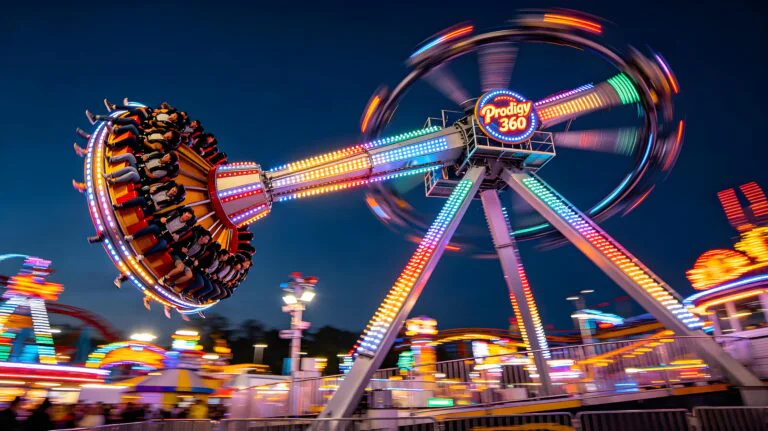
Opening an amusement park is one of the most ambitious and rewarding ventures in the entertainment industry. It combines creative vision, operational precision, and substantial capital investment. Whether you dream of a small family fun center or a sprawling regional destination, the journey from concept to opening day requires meticulous planning and execution. This comprehensive guide walks you through every critical phase, providing actionable steps to turn your vision into a thriving business.
1. The Foundation: Market Research and Concept Development
Before you purchase land or design a single ride, you must validate your idea and define a clear, differentiated concept.
1.1 Conduct Thorough Market Research
- Demographic Analysis: Identify your target audience. Are you catering to families with young children, thrill-seeking teenagers, or a broad regional market? Analyze population density, age distribution, and household income within a 30-, 60-, and 90-minute drive radius.
- Competitive Landscape: Map existing entertainment options—theme parks, water parks, FECs (Family Entertainment Centers), zoos, and even movie theaters. Identify gaps in the market that your park can fill. A unique value proposition is essential for long-term success.
- Tourism and Traffic Patterns: If you’re aiming for a destination park, study tourism statistics, hotel occupancy rates, and major transportation routes. Accessibility and visibility are paramount.
1.2 Develop a Compelling Theme and Identity
A strong, cohesive theme differentiates your park and creates an emotional connection with guests.
- Choose a Theme: Options range from broad categories (adventure, fantasy, history) to licensed intellectual property (IP). Licensed IP attracts built-in audiences but comes with significant royalty fees.
- Create a Narrative: The best parks tell a story. Every land, ride, restaurant, and even staff uniform should reinforce that narrative, creating a fully immersive experience.
- Define Your Brand Voice: This will guide all future marketing, design, and operational decisions.
2. The Blueprint: Business Planning and Securing Financing
With a validated concept, you need a rock-solid business plan to attract investors and guide your decisions.
2.1 Essential Components of an Amusement Park Business Plan
- Executive Summary: A concise overview of your vision, market opportunity, and financial projections.
- Company Description: Your legal structure, mission statement, and core values.
- Market Analysis: Detailed findings from your research, including target demographics and competitor SWOT analysis.
- Organization and Management: Key team members and their industry experience. A strong management team is a critical factor for investors.
- Service/Product Line: Description of the park’s themed lands, signature attractions, and guest amenities.
- Marketing and Sales Strategy: How you will attract visitors, from grand opening campaigns to annual pass programs.
- Financial Plan and Projections: This is the most scrutinized section. It must include:
- Startup Cost Estimate: A detailed, line-item budget using the framework from our cost calculation guide.
- Pro Forma Income Statement: Projected revenue (ticket sales, food & beverage, merchandise, parking) and operating expenses for at least 3-5 years.
- Cash Flow Statement: A monthly breakdown showing when money comes in and goes out, critical for identifying working capital needs.
- Break-Even Analysis: When do you expect to become profitable?
2.2 Financing Your Amusement Park
Amusement parks are capital-intensive. Common funding sources include:
- Private Equity and Venture Capital: For larger, high-growth potential projects.
- Commercial Bank Loans: Typically require a substantial down payment (20-30%) and strong collateral.
- Government Grants and Incentives: Many regions offer tax breaks, infrastructure grants, or tourism development funds for projects that create jobs and drive economic impact.
- Strategic Partners: Partnering with a larger entertainment or real estate company can provide both capital and operational expertise.
3. The Location: Site Selection and Regulatory Approval
The success of your park is intrinsically linked to its location.
3.1 Key Site Selection Criteria
- Accessibility: Proximity to major highways, airports, and public transportation. The “last mile” experience is crucial.
- Visibility: Is the site easily seen from a major road? Good signage and visibility drive impulse visits.
- Size and Topography: Ensure the land can accommodate not just Phase 1, but also future expansion. Topography affects construction costs; flat land is cheaper but less interesting to work with.
- Infrastructure: Confirm the availability and capacity of utilities: electricity, water, sewer, and high-speed internet.
- Environmental Factors: Conduct Phase I and Phase II Environmental Site Assessments to identify any contamination or protected wetlands that could cause costly delays.
3.2 Navigating the Permitting Process
This is often the longest and most frustrating phase. Expect to engage with multiple government agencies.
- Zoning and Land Use: Secure the proper zoning classification (e.g., Commercial Recreation). This may require public hearings and negotiations with local planning commissions.
- Building Permits: Required for every structure, from restrooms to roller coasters.
- Special Use Permits: May be needed for pyrotechnics, live animals, or alcohol sales.
- Environmental and Safety Approvals: Compliance with the Americans with Disabilities Act (ADA) and rigorous ride safety inspections from state or third-party agencies.
? Pro Tip: Hire a local land-use attorney and an experienced permitting expeditor early in the process. Their expertise can save months of delay and tens of thousands of dollars.
4. Design and Construction: Building the Guest Experience
This phase translates your vision into tangible reality. It requires close coordination between designers, architects, and contractors.
4.1 The Master Planning Process
- Concept Design: Refining the theme, creating the park layout, and identifying the location of major attractions.
- Schematic Design: Detailed plans for buildings, ride footprints, queue lines, and back-of-house operations. This is where you begin to optimize guest flow and operational efficiency.
- Design Development: Technical specifications for all systems, including ride foundations, plumbing, electrical, and HVAC.
- Construction Documents: The final set of detailed drawings and specifications used for bidding and construction.
4.2 Selecting and Procuring Attractions
- Create a Balanced Ride Mix: A successful park offers something for everyone: thrilling coasters for adrenaline junkies, gentle family rides, interactive dark rides, and a dedicated children’s area.
- Request for Proposals (RFP): Send detailed specifications to multiple ride manufacturers. Evaluate not just the purchase price, but also the Total Cost of Ownership (TCO) , including installation, training, maintenance, and spare parts availability.
- Theming and Landscaping: This is what separates a great park from a mediocre one. Allocate a significant portion of your construction budget to immersive theming, shade structures, and beautiful landscaping.
4.3 Construction Management
- General Contractor vs. Construction Manager: A general contractor provides a fixed price for the entire project. A construction manager works for a fee and manages multiple subcontractors, often providing more cost transparency.
- Phased Opening Strategy: Consider opening in phases. This reduces initial capital outlay, allows you to learn from guest feedback, and generates revenue to fund future expansion.
5. Building the Team and Operations Plan
A world-class park is nothing without a well-trained, passionate team.
5.1 Key Leadership Hires (Pre-Opening)
- General Manager: Oversees all park operations.
- Director of Marketing & Sales: Leads the pre-opening hype and drives ticket sales.
- Director of Operations: Manages daily park functions, including rides, food service, and retail.
- Director of Maintenance & Engineering: Critical for safety and ride uptime.
- Director of Human Resources: Manages the massive hiring effort required for a seasonal or year-round operation.
5.2 Developing an Operational Playbook
- Standard Operating Procedures (SOPs) : Create detailed, written procedures for every role: ride operator, ticket seller, food server, custodial staff.
- Safety and Emergency Protocols: This is non-negotiable. Develop and practice plans for ride evacuations, severe weather, medical emergencies, and lost children.
- Guest Service Philosophy: Define the service culture you want to create. Empower your employees to solve problems and create memorable moments for guests.
6. Marketing and Grand Opening Strategy
Building anticipation is a science. Your marketing efforts should begin 12-18 months before opening day.
6.1 Pre-Opening Marketing Timeline
| Time Before Opening | Marketing Activities |
|---|---|
| 18-12 Months | Announce the project to local media. Launch a teaser website and social media channels. Begin community outreach. |
| 12-6 Months | Reveal the park’s name, logo, and theme. Announce signature attractions. Launch an email newsletter for “Founding Members.” |
| 6-3 Months | Release season pass and ticket pre-sales. Partner with local hotels and tourism boards. Host hard-hat tours for media and influencers. |
| 3-0 Months | Ramp up paid advertising (digital, radio, outdoor). Announce opening date. Plan a media preview day and a grand opening celebration. |
6.2 The Grand Opening and Beyond
- Soft Opening: Invite employees’ families, local community leaders, and media for a series of “dress rehearsal” days. This provides invaluable real-world training for your team.
- Grand Opening Weekend: Plan for large crowds, traffic management, and potential operational hiccups. The goal is to deliver a smooth, fun experience that generates positive word-of-mouth and social media buzz.
- Post-Opening Optimization: Closely monitor guest feedback, ride wait times, and operational data. Be prepared to make adjustments to staffing, hours, and procedures.
7. Conclusion: The Long Road to Opening Day
Opening an amusement park is not for the faint of heart. It requires a unique blend of creative vision, financial discipline, and operational grit. The journey from initial concept to the first guests walking through the gates is typically 5-7 years.
However, by following this structured, step-by-step guide—from rigorous market research and a bulletproof business plan to meticulous design and strategic marketing—you can navigate the complexities and significantly increase your chances of building a successful and beloved destination that brings joy to millions for decades to come.
Disclaimer: This guide is for informational purposes only and does not constitute professional legal or financial advice. Always consult with qualified experts for your specific project.
8. Frequently Asked Questions (FAQs) About Opening an Amusement Park
Q1: How much does it cost to open a small amusement park?
A small outdoor amusement park (12,000 to 60,000 square meters) typically requires an investment of $3 million to $20 million. This includes land, a modest selection of rides, basic infrastructure, and soft costs.
Q2: How long does it take to open an amusement park?
From initial concept to grand opening, expect a timeline of 5 to 7 years for a medium-to-large park. Smaller FECs can open in 2-3 years.
Q3: What are the most common reasons new amusement parks fail?
- Undercapitalization: Running out of money before opening or during the first operating season.
- Poor Location: Inaccessible or low-traffic areas.
- Lack of a Clear Theme or Identity: Failing to differentiate from competitors.
- Operational Inexperience: Poor guest service and maintenance leading to safety issues and negative reviews.
Q4: Do I need a partner or can I do it alone?
Unless you have extensive experience in both real estate development and theme park operations, it is highly recommended to partner with or hire experienced professionals. The learning curve is steep and the financial stakes are high.
Q5: What is the first concrete step I should take?
Conduct a formal feasibility study. This independent analysis will provide a realistic assessment of market demand, projected attendance, and financial viability. It is the essential first document for any serious conversation with investors or lenders.