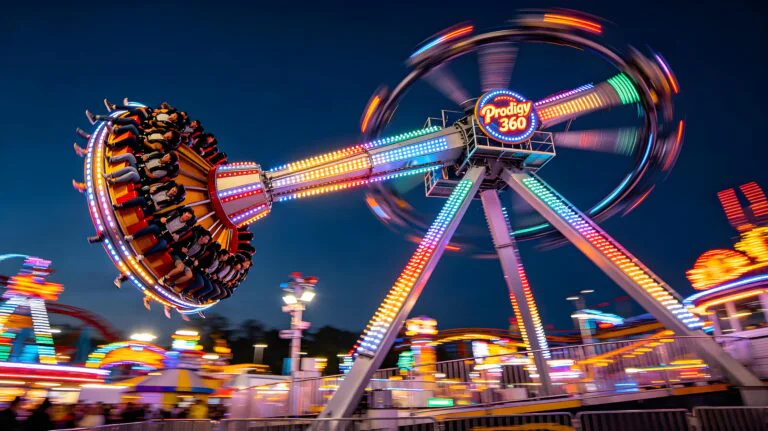
Designing an amusement park is where creativity meets engineering, psychology, and business strategy. It’s the process of transforming a blank piece of land into an immersive world that captivates millions of guests. A well-designed park doesn’t just look good on paper—it guides emotions, optimizes operational flow, and maximizes revenue per square foot. Whether you’re planning a small family entertainment center or a sprawling theme park destination, this comprehensive guide walks you through the essential principles, phases, and best practices of modern amusement park design.
1. The Core Philosophy of Amusement Park Design
Before drawing a single line, you must understand the fundamental goal of park design: to create a seamless, immersive experience that balances guest delight with operational efficiency.
Successful park design is never random. Every path, sightline, and bench placement is intentional. The Walt Disney Company pioneered the concept of the “guest experience” and introduced principles still used industry-wide today. These principles include:
- The “Weenie” Concept: A visual magnet (like a castle or a towering coaster) that draws guests deeper into the park.
- Transitions and Thresholds: Gradual changes in music, landscaping, and architecture that signal entry into a new themed land.
- Compression and Release: Alternating between dense, bustling areas and open, relaxed spaces to manage crowd psychology.
Understanding these fundamentals ensures your design is not just a collection of rides, but a cohesive story-driven environment.
2. Step-by-Step Design Process: From Vision to Blueprint
The design of an amusement park unfolds in several distinct phases, each building upon the last.
2.1 Concept Design and Story Development
What is the big idea? This phase defines the park’s unique identity.
- Develop a Theme and Narrative: Choose a central theme—fantasy, adventure, history, discovery, or licensed intellectual property (IP). The theme must be strong enough to support multiple “lands” or zones.
- Create a Brand Bible: Document the visual language, color palette, architectural styles, and even the “sound” of the park. This ensures consistency across all future design decisions.
- Define the Target Guest: Is it thrill-seekers, families with young children, or a broad demographic mix? The answer dictates ride selection and land layout.
2.2 Site Analysis and Feasibility
You cannot force a design onto a site; the site shapes the design.
- Topography: Hilly terrain can be used to hide service roads or create dramatic reveal moments (e.g., a coaster dropping into a valley). Flat land is easier to build on but requires more creative vertical elements to break monotony.
- Climate and Sun Orientation: In hot climates, design for maximum shade and consider indoor attractions as “cool zones.” Orient major queues and plazas to avoid harsh afternoon sun.
- Prevailing Winds: Position food courts and restrooms downwind of main pathways. Conversely, place fragrant flower gardens or popcorn stands where the scent will travel toward guests.
2.3 Master Planning: The Park Layout
The Master Plan is the DNA of your park. It determines how guests move, how long they stay, and how much they spend. There are several proven layout archetypes:
| Layout Type | Description | Best For | Examples |
|---|---|---|---|
| Hub and Spoke | A central plaza (hub) connects to multiple themed lands via radial paths. | Large parks with distinct zones. | Disneyland (Sleeping Beauty Castle Hub), Disney’s Animal Kingdom (Discovery Island) |
| Loop / Circuit | A continuous pathway circles the park, often with a central lake or icon. | Medium-sized parks, easy navigation. | Efteling (Netherlands), Liseberg (Sweden) |
| Linear / Dumbbell | A single main street with major attractions at either end. | Smaller parks, FECs. | Santa Monica Pier, many boardwalk parks |
| Organic / Free-Flow | Paths wind organically, creating a sense of discovery. | High-theme, narrative-heavy parks. | Disney’s Animal Kingdom, DisneySea |
The Hub and Spoke remains the gold standard for large parks because it reduces guest fatigue, provides natural meeting points, and facilitates phased expansion.
2.4 Theming and Environmental Storytelling
This is where the park comes alive. Theming is not decoration; it is immersive storytelling.
- Forced Perspective: Making upper floors of buildings smaller to make them appear taller than they are.
- Sightline Control: Using berms (earthen mounds), trees, and buildings to hide “backstage” areas and ensure guests in one land cannot see the roofs or attractions of another.
- Transitions: Crossing a bridge, passing under an arch, or walking through a tunnel signals a change in environment. The music, pavement texture, and even the type of plants should change seamlessly.
- The Five Senses: Great design engages all senses: the smell of vanilla on Main Street, the cool mist near a waterfall, the sound of distant screams from a coaster.
2.5 Ride and Attraction Placement
Placing rides is a strategic exercise in crowd management and visual storytelling.
- Anchor Attractions: Place high-capacity, high-demand rides (E-Tickets) at the far end of themed lands or pathways. This pulls guests through the retail and dining areas, increasing per-capita spending.
- Kinetic Energy: Rides should be visible and audible from pathways. Watching a coaster train roar past or a flume splash down creates “free entertainment” and builds desire.
- Queue Design: The queue is part of the ride experience. Design it to be shaded, entertaining, and able to handle 60-90 minutes of waiting without guest frustration. Incorporate interactive elements, themed videos, or “pre-show” scenes.
- Balance: Ensure a mix of thrill rides (intense), family rides (moderate), and kiddie rides (gentle) in every major land, if possible, so families can stay together in one area longer.
2.6 Circulation and Wayfinding
If guests get lost or frustrated, they spend less money and leave earlier.
- Intuitive Pathways: Paths should curve gently rather than follow rigid grids. A slight curve creates a sense of mystery and anticipation about what lies around the bend.
- Visual Landmarks: The “weenie” helps guests orient themselves. They should always be able to see the central icon or a major ride tower to understand where they are in the park.
- Signage Hierarchy:
- Identification Signs: Ride names and park icons.
- Directional Signs: Pointing to lands, restrooms, and exits.
- Informational Signs: Wait times, height requirements, show schedules.
- Regulatory Signs: Safety rules and ADA compliance.
2.7 Guest Services and Support Infrastructure
Great design hides the “ugly” but necessary parts of the operation.
- Back of House (BOH) : Design dedicated service corridors and tunnels for trash removal, food delivery, and employee movement. This should be completely invisible to guests.
- Restroom Placement: Follow the “300-foot rule.” A guest should never be more than a 2-minute walk from a restroom. Locate them near the entrances of major lands and next to family attractions.
- Shade and Seating: Ample seating encourages rest, and rested guests stay longer and spend more. Every dining patio, bench, and planter wall should be considered a potential seating opportunity.
3. Design Considerations for Different Park Types
The design approach varies significantly based on the park’s primary focus.
3.1 Water Park Design
- Hydraulic Flow: Water must constantly move and be filtered. Design slopes and pump houses carefully.
- Splash Zones vs. Quiet Zones: Create distinct areas for high-energy splash pads and wave pools, separated from lazy rivers and cabana areas for relaxation.
- Surface Material: All walking surfaces must be slip-resistant and cool to bare feet.
3.2 Family Entertainment Center (FEC) Design
- Vertical Stacking: In urban areas or indoor spaces, you must design up. Multi-level go-kart tracks, climbing structures, and laser tag arenas maximize footprint.
- Party Rooms: Dedicated, private party spaces are the economic engine of an FEC. Design them to be easily accessible from the entrance but isolated from the main game floor noise.
3.3 Resort/Destination Park Design
- Arrival Sequence: The design journey begins on the highway exit ramp. Consider how the entrance plaza, parking lot tram, and hotel lobby set the stage for the park experience.
- Pedestrian Flow Integration: Design seamless, shaded pathways connecting the hotel, parking, and front gate. The “last mile” walk should be an extension of the theme, not a burden.
4. Technology and Innovation in Modern Park Design
Modern design leverages technology to solve age-old problems.
- Crowd Simulation Software: Before breaking ground, designers use software like Legion or MassMotion to simulate crowd flow under peak conditions. This identifies bottlenecks in the plan that aren’t obvious on paper.
- Virtual Queuing: Design the park layout to accommodate virtual queue systems (like Disney’s Lightning Lane or Universal’s Virtual Line). This means designing “standby” queues and “return” tapstiles into attraction footprints from day one.
- Dynamic Pricing and Cashless Integration: Design the point-of-sale and entry system architecture to be fully digital. This reduces the need for large, cumbersome ticket booths and frees up space for more guest amenities.
5. Sustainability and Resilience in Design
A modern park must be designed with long-term environmental and economic resilience in mind.
- Stormwater Management: Incorporate bioswales, retention ponds, and permeable pavers into the landscape design. This reduces flood risk and creates beautiful water features.
- Solar Integration: Design large flat roofs (show buildings, maintenance bays) to support solar panel arrays.
- Material Selection: Choose durable, low-maintenance materials that can withstand millions of footfalls and harsh weather. The initial cost of high-quality themed concrete and stonework pays for itself over decades of operation.
6. Conclusion: The Art and Science of Lasting Impressions
Designing an amusement park is a multidisciplinary endeavor that blends architecture, psychology, theatrical storytelling, and civil engineering. It requires a relentless focus on the guest’s journey—both physical and emotional.
The most successful park designs are not those with the tallest coasters or the most expensive IP. They are the ones where every detail, from the curve of a path to the placement of a trash can, feels intentional and effortless. By following the principles outlined in this guide—starting with a strong narrative, respecting the site, and prioritizing guest flow—you can create a space that is not just a park, but a cherished destination for generations.
Disclaimer: This guide is for informational and educational purposes. Amusement park design involves complex safety regulations and professional licensing. Always engage qualified architects, engineers, and designers for any actual construction project.
7. Frequently Asked Questions (FAQs) About Amusement Park Design
Q1: What is the ideal size for an amusement park?
There is no single “ideal” size. A small FEC might be 20,000 – 50,000 sq ft (2,000 – 5,000 m²), while a regional theme park is typically 50 – 150 acres (20 – 60 hectares). The size is determined by your target attendance, ride portfolio, and available land. A common guideline is 40-50% developed area and 50-60% open space, parking, and buffer zones.
Q2: How do designers decide how many rides to include?
Designers use capacity modeling. The number of rides is determined by the projected hourly attendance. The goal is to provide enough Total Theoretical Hourly Ride Capacity (THRC) to ensure the average guest can experience 8-10 attractions during a full-day visit without excessive wait times.
Q3: What software is used to design amusement parks?
Industry-standard tools include:
- AutoCAD and Revit: For architectural and engineering documentation.
- SketchUp and Rhino 3D: For conceptual modeling and theming design.
- Adobe Creative Suite: For graphic design, signage, and visual presentations.
- NoLimits 2: For roller coaster dynamics and profile design.
- Legion or MassMotion: For crowd flow and pedestrian simulation analysis.
Q4: Why are paths in theme parks curved?
Curved paths serve multiple psychological and operational purposes:
- Mystery and Anticipation: You can’t see the whole journey at once, which encourages exploration.
- Sightline Control: Curves hide backstage areas and other themed lands more effectively than straight lines.
- Reduced Perceived Distance: A gently winding path feels shorter and less tiring than a long, straight, exposed corridor.
Q5: How important is landscaping in park design?
Landscaping is mission-critical. It provides shade (critical for guest comfort and dwell time), manages stormwater, creates visual buffers between lands, and establishes the mood of the environment. A common budget allocation for landscaping and hardscape in a themed environment is 10-15% of total hard construction costs.