Choosing the right amusement machines for your business is one of the most important decisions for theme park investors, family entertainment center (FEC) operators, and commercial playground owners. The equipment you select directly affects visitor attraction, operational safety, maintenance costs, and long-term profitability.
In 2026, the amusement industry is becoming more competitive, and successful operators are focusing on experience quality, ROI optimization, and equipment reliability rather than just ride quantity.
What Are Amusement Machines in Commercial Business?
Amusement machines refer to commercially operated entertainment equipment designed for public use in venues such as:
- Theme parks
- Family entertainment centers (FECs)
- Shopping malls
- Resorts and hotels
- Tourist attractions
- Indoor play zones
These machines include both mechanical rides and interactive entertainment systems that generate revenue through ticket sales or entry fees.
Step 1: Define Your Business Type and Target Market
Before selecting equipment, clearly define your business model.
Common Business Types:
- Indoor FEC (family entertainment center)
- Outdoor theme park
- Shopping mall amusement zone
- Resort entertainment area
- Seasonal carnival or event park
Target Audience Segments:
- Children (kiddie rides and soft play)
- Families (carousel, train rides)
- Teenagers (thrill rides and spinning machines)
- Tourists (landmark and scenic rides)
Understanding your audience ensures better equipment selection and higher revenue potential.
Step 2: Choose the Right Mix of Amusement Machines
A successful amusement business requires a balanced attraction portfolio.
🎠 Family Amusement Machines
Essential for all businesses:
- Ferris wheels
- Carousels
- Flying chairs
- Trackless trains
These machines ensure broad audience appeal and stable income.
🎢 Thrill Amusement Machines
For high-revenue attraction zones:
- Pendulum rides
- Drop towers
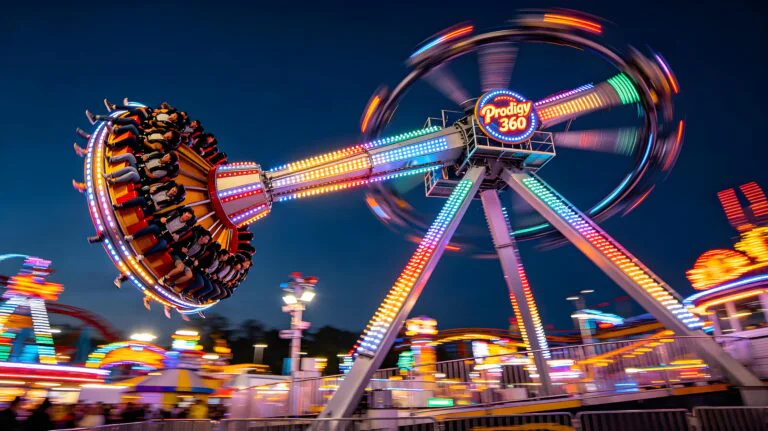
- Spinning rides
- Roller coasters
These increase ticket value and attract repeat visitors.
🧒 Children’s Amusement Machines
Core revenue drivers in family-oriented venues:
- Mini trains
- Cartoon rides
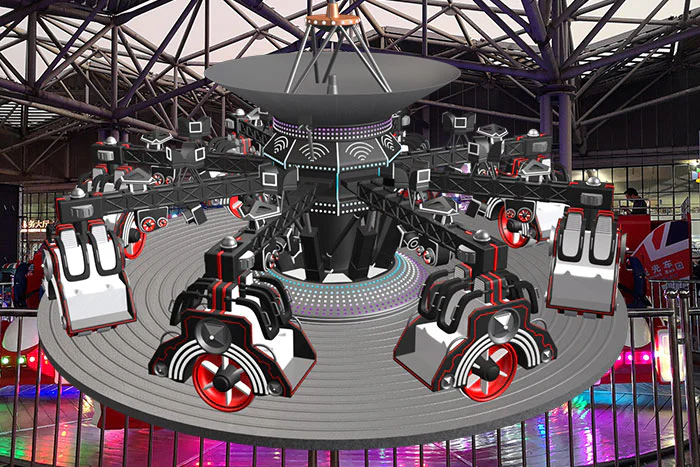
- Small rotating rides
- Electric ride-on machines
🎮 Interactive Amusement Machines
Modern businesses increasingly include digital entertainment:
- VR simulation rides
- AR interactive systems
- Motion-based gaming machines
- Immersive storytelling attractions
Step 3: Evaluate Available Space and Installation Environment
Your physical space determines what machines you can install.
Key considerations:
- Indoor vs outdoor environment
- Ceiling height restrictions
- Safety clearance requirements
- Visitor flow and queue design
- Electrical and infrastructure capacity
Proper planning improves safety and operational efficiency.
Step 4: Focus on Safety and Certification
Safety is the most important factor in amusement machine selection.
Look for equipment that includes:
- CE certification
- ISO quality compliance
- Emergency stop systems
- Seat restraint mechanisms
- PLC intelligent control systems
Certified equipment reduces operational risks and increases customer trust.
Step 5: Analyze Return on Investment (ROI)
A good amusement machine should generate consistent revenue.
Evaluate:
- Passenger capacity per hour
- Ticket pricing potential
- Maintenance cost
- Operating efficiency
- Lifespan of equipment
High-capacity family rides often deliver the most stable ROI.
Step 6: Choose a Reliable Manufacturer or Supplier
The supplier you choose is just as important as the machines themselves.
A reliable manufacturer should offer:
- OEM/ODM customization
- Engineering and design support
- Installation guidance
- Spare parts supply
- Global export experience
Working with experienced suppliers reduces project risks.
Step 7: Consider Theming and Experience Design
Modern amusement businesses compete through experience, not just rides.
Popular themes include:
- Ocean adventure zones
- Fantasy kingdoms
- Space exploration parks
- Cultural storytelling environments
Themed machines improve branding and visitor engagement.
Step 8: Plan for Maintenance and Long-Term Operation
Low-maintenance equipment improves profitability.
Consider:
- Easy repair access
- Durable materials (steel + FRP)
- Stable electrical systems
- Availability of spare parts
Efficient maintenance reduces downtime and operational costs.
Common Mistakes to Avoid
When selecting amusement machines, avoid:
- Choosing only high-thrill rides (lack of family appeal)
- Ignoring safety certifications
- Overestimating space capacity
- Selecting unreliable suppliers
- Focusing only on price instead of ROI
A balanced strategy is essential for long-term success.
Industry Trends in Amusement Machines (2026)
1. Smart Ride Systems
- AI-based safety monitoring
- Automated diagnostics
- Digital control systems
2. Modular Equipment Design
- Faster installation
- Flexible expansion
- Lower transportation cost
3. Immersive Experience Integration
- LED visual effects
- Story-driven attractions
- Interactive environments
4. Social Media-Oriented Design
Machines are increasingly designed for:
- Photo opportunities
- Night lighting displays
- Viral marketing potential
Conclusion
Knowing how to choose the right amusement machines for your business is essential for building a successful and profitable entertainment project. By carefully selecting a balanced mix of rides, prioritizing safety, evaluating ROI, and partnering with a reliable manufacturer, operators can create sustainable amusement businesses with strong long-term growth potential.
In 2026, the most successful amusement ventures are those that combine smart planning, high-quality equipment, and immersive visitor experiences.