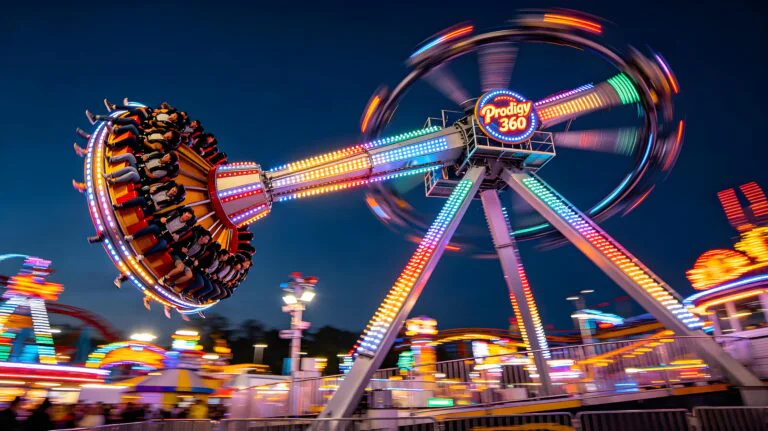
Are you planning to purchase a Prodigy Ferris wheel and wondering how much it weighs? Understanding the weight of a Ferris wheel is a critical factor for site preparation, foundation design, shipping logistics, and overall project budgeting. While Prodigy does not publish a one-size-fits-all weight figure—since Ferris wheels vary significantly by height, capacity, and design—this comprehensive guide will provide you with industry-standard weight benchmarks, how they apply to Prodigy Ferris wheels, and everything else you need to know before making your investment.
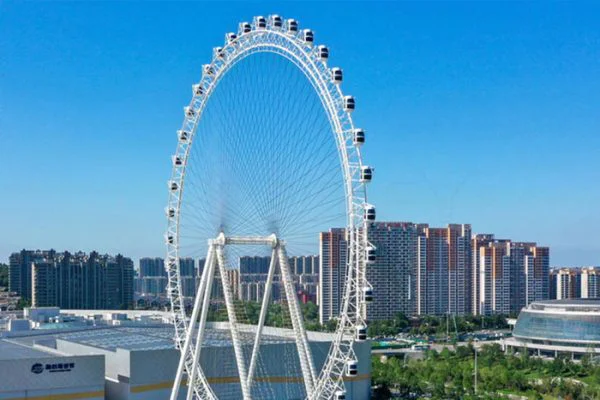
Why Ferris Wheel Weight Matters
Before diving into specific numbers, let us understand why knowing the weight of a Ferris wheel is so important:
- Foundation Requirements: A Ferris wheel’s weight directly determines the load-bearing capacity required for its concrete foundation. Underestimating weight can lead to structural failure.
- Shipping and Logistics: Heavier rides require more shipping containers, specialized transport vehicles, and higher freight costs. Over 70% of China‘s major amusement ride producers are based in Zhengzhou, Henan province, meaning international shipping distances and costs vary significantly by destination.
- Installation Planning: Heavier steel structures require larger cranes, more installation personnel, and longer assembly timelines.
- Regulatory Compliance: As a large-scale amusement ride, Ferris wheels are subject to strict safety inspections and must meet local building codes regarding structural loads.
Prodigy Ferris Wheel Weight: General Industry Benchmarks
Zhengzhou Prodigy Amusement Equipment Co., Ltd.—established in 2008 and based in Zhengzhou, China—has been a professional manufacturer of amusement rides including Ferris wheels, roller coasters, drop towers, spinning rides, pirate ships, and interactive play attractions. The company combines cutting-edge technology with rigorous safety standards, and its products are crafted using steel and FRP (fiber-reinforced plastic) materials.
While Prodigy does not publicly list specific weight figures for each Ferris wheel model, we can provide accurate estimates based on industry-standard weight benchmarks for Ferris wheels of similar heights. According to authoritative amusement industry data, typical Ferris wheel weights are as follows:
| Ferris Wheel Height | Estimated Total Weight (Tons) |
|---|---|
| 30 meters (≈98 feet) | 37 tons |
| 42 meters (≈138 feet) | 65 tons |
| 46 meters (≈151 feet) | 90 tons |
| 49 meters (≈161 feet) | 125 tons |
For comparison, a 30-meter Ferris wheel generally weighs over 10 tons, with the standard weight being approximately 10 tons for basic models and up to 37 tons for more robust constructions. A 42-meter Ferris wheel—a popular size for many amusement parks—typically weighs about 65 tons.
Important Note: These figures represent the total weight of the steel structure plus mechanical components. The weight does not include passengers. For perspective, a 42-meter Ferris wheel with 96 passengers would have an additional 6–7 tons of live load, as each passenger averages 60–80 kg (132–176 lbs).
Prodigy‘s Typical Ferris Wheel Specifications
Based on Prodigy’s product offerings and industry standards for comparable Chinese manufacturers, Prodigy Ferris wheels are typically available in the following configurations:
- Small models (20–30 meters): 16 to 24 cabins; 48–96 passenger capacity
- Medium models (42–52 meters): 24 to 36 cabins; 96–144 passenger capacity
- Large models (62–65 meters): 36 to 54 cabins; 144–216 passenger capacity
Prodigy offers standard Ferris wheel heights of 20m, 30m, 42m, 52m, and 62m, with capacities ranging from 24 cabins up to 96 passengers or more, all customizable. The company also manufactures a unique 65-meter Giant Ferris Wheel model for outdoor amusement parks, priced in the range of 10,000–100,000 per set depending on customization.
A 42-meter Ferris wheel—one of the most popular sizes for mid-sized parks—typically has technical specifications such as 96 passenger capacity, a rotation speed of approximately 10 minutes per revolution, a footprint of roughly 22×25 meters, and a drive power requirement of 11 kW. A larger 50-meter Ferris wheel can accommodate 128 passengers, rotate at 10.2 minutes per revolution, occupy approximately 30×26 meters of ground space, and require 17.6 kW of drive power. A 49.5-meter Ferris wheel with 30 cabins can carry 120 passengers and require 25 kW of total power.
Design Note: Prodigy specializes in luxury-themed designs with programmable light shows tailored to brand identities. This customization may add marginal weight for additional LED lighting systems, decorative panels, and themed cabin designs.
What Factors Influence a Prodigy Ferris Wheel‘s Weight?
Understanding what contributes to a Ferris wheel’s total weight will help you better interpret weight estimates and ask the right questions when requesting a quote from Prodigy.
1. Total Height and Diameter
This is the single largest factor. As height increases, so does the amount of structural steel required. A 30-meter Ferris wheel weighs approximately 37 tons; a 42-meter unit jumps to 65 tons—a 75% increase in weight for only a 40% increase in height, demonstrating the exponential relationship between size and structural mass. The diameter of a Ferris wheel is a critical specification that defines its overall size and significantly influences the ride experience and operational requirements.
2. Number and Size of Cabins (Gondolas)
Each cabin adds its own weight. Standard cabins for a 42-meter wheel might weigh 200–300 kg each, and if you have 24 to 36 cabins, that contributes 5–10 tons to the total structure. Larger cabins that seat 6–8 passengers each will be heavier than smaller 2- to 4-seat cabins. Prodigy‘s Ferris Ring Car model offers capacities of 8 to 12 passengers, with a maximum capacity exceeding 500 kg per vehicle.
3. Steel Grade and Thickness
Not all steel is created equal. Higher-grade steel can be thinner and lighter while maintaining the same strength, but it costs more. Prodigy uses qualified steel materials that meet national standards, and each Ferris wheel combines FRP (fiber-reinforced plastic) with steel construction for optimal strength-to-weight ratios. FRP components are lighter than equivalent steel parts, which helps reduce overall weight while maintaining weather resistance and aesthetic appeal.
4. Mechanical Components
The central hub, bearings, drive motor, braking system, and gearbox also contribute to total weight. A drive motor for a 42-meter Ferris wheel might weigh 500 kg or more. The total power requirement for a 42-meter wheel is approximately 11 kW, while a 62-meter model requires up to 17.6 kW of drive power, with correspondingly heavier motors.
5. Foundation and Support Structure
The A-frame support legs and cross-bracing add significant weight. Some larger Ferris wheels have observation wheel designs with external support structures, which weigh more than traditional designs.
6. Customization and Theming
Prodigy specializes in high customization—luxury-themed designs, programmable LED lighting, custom graphics, and themed cabins all add marginal weight. A fully themed 65-meter Ferris wheel may weigh slightly more than a standard model due to decorative FRP panels and enhanced lighting systems.
Prodigy Ferris Wheel Weight Breakdown: What You Need for Site Planning
When planning your installation, it helps to understand how the total weight distributes across different components. Here is a breakdown of typical weight distribution for a Prodigy Ferris wheel in the 42-meter class (65 tons total):
| Component | Estimated Weight (Tons) | Percentage |
|---|---|---|
| Main steel wheel structure (rim, spokes, hub) | 30–35 tons | 46–54% |
| Cabins (24–36 units at 200–300 kg each) | 5–10 tons | 8–15% |
| Support legs and A-frame | 10–12 tons | 15–18% |
| Drive motor and mechanical systems | 2–4 tons | 3–6% |
| Foundation anchor bolts and embedded steel | 3–5 tons | 5–8% |
| Lighting and electrical systems | 1–2 tons | 1–3% |
Shipping Note: Prodigy‘s Ferris wheels are shipped in partially disassembled form from ports including Tianjin, Shanghai, Qingdao, and Guangzhou. The total shipping weight will be slightly less than the assembled weight due to packaging materials not counted in the structural total, but freight costs are calculated based on actual shipping weight, which typically matches the equipment’s total weight within 5%.
Prodigy‘s Materials: How FRP + Steel Impacts Weight
Prodigy Ferris wheels are constructed using a combination of steel and fiber-reinforced plastic (FRP). Here is how this impacts weight compared to all-steel construction:
- Steel components: Provide structural integrity for the main wheel frame, support legs, hub, and mechanical mounts. Steel is heavy but necessary for strength, especially as wheel height increases beyond 30 meters.
- FRP components: Used for cabin shells, decorative panels, and aesthetic elements. FRP is significantly lighter than steel—typically 30–50% lighter for equivalent volume—while offering excellent weather resistance, corrosion protection, and vivid color retention that does not fade in sunlight.
By using FRP for non-structural, aesthetic components, Prodigy reduces total weight without sacrificing safety or durability. This weight reduction translates to lower shipping costs and simpler foundation requirements compared to all-steel designs.
Foundation Requirements for a Prodigy Ferris Wheel
The weight of your Prodigy Ferris wheel directly determines the foundation specifications. Here is what you need to know:
Pre-Installation Requirements
Before installing any large amusement ride such as a Ferris wheel, you must engage qualified professionals to perform:
- Geological survey of your installation site (approximately 2,000–3,000 USD)
- Foundation design by a licensed structural engineer (approximately 2,500–4,000 USD)
- Concrete foundation construction by a certified contractor (12,000–25,000+ USD, depending on wheel size)
- Embedded anchor bolts and steel required by Prodigy‘s foundation drawings (3,500–6,000 USD)
For a 42-meter Ferris wheel weighing 65 tons, a typical concrete foundation might be 3–4 meters deep with a diameter of 8–10 meters, requiring 80–120 cubic meters of high-strength concrete.
Five-Party Approval Process
As a large-scale amusement device, Ferris wheels require inspection and approval from five parties before operation can begin:
- Geological survey firm
- Foundation design firm
- Construction contractor
- Inspection agency
- Manufacturer (Prodigy)
All five must sign off on the foundation acceptance report before installation can proceed.
Shipping Weight vs. Operational Weight
There is an important distinction between how much a Prodigy Ferris wheel weighs for shipping purposes versus its fully assembled operational weight.
- Shipping weight: The weight of the disassembled components packed into shipping containers. This includes steel sections, FRP cabin shells, bolts, nuts, mechanical parts, and packaging materials. Shipping weight is typically 3–8% higher than the operational structural weight due to packaging.
- Operational weight (empty): The weight of the fully assembled Ferris wheel without passengers. This is the figure referenced in the industry benchmark table (e.g., 65 tons for a 42-meter wheel).
- Operational weight (loaded): Empty weight plus the weight of all passengers. For a 96-passenger Ferris wheel with an average passenger weight of 70 kg, that is an additional 6.7 tons of live load.
Prodigy has a supply capacity of up to 30 amusement units per month and ships from Tianjin, Shanghai, Qingdao, or Guangzhou. Based on the shipping weights described, your freight costs will be determined by the total shipping weight, not the assembled weight.
Prodigy Ferris Wheel Models: Weight by Configuration
While Prodigy does not publish model-specific weights, here are estimated weights based on industry standards for comparable Ferris wheels:
| Model Type | Height | Cabins | Passenger Capacity | Estimated Weight |
|---|---|---|---|---|
| Kiddie Ferris Wheel | 10–15m | 8–12 | 16–36 | 5–15 tons |
| Small Commercial | 20–30m | 16–24 | 48–96 | 25–40 tons |
| Medium Commercial | 42m | 24–36 | 96–144 | 60–70 tons |
| Large Commercial | 52–62m | 36–48 | 144–192 | 90–130 tons |
| Giant Observation | 65m+ | 48–54+ | 192–216+ | 150–250+ tons |
Prodigy’s unique 65-meter Giant Ferris Wheel falls into the Large Commercial to Giant Observation category, with a price range of 10,000–100,000 depending on customization. Its total weight would be in the 150–250 ton range, comparable to other 65-meter observation wheels.
The “Prodigy Ferris Ring Car” – A Special Mention
Prodigy also manufactures a unique Ferris Ring Car model, which is a hybrid attraction combining Ferris wheel rotation with swinging car motion. This model has a diameter of 7–10 meters, a total height of 10 meters, and operates on 380V power with a 28 kW drive. It can accommodate 8 to 12 passengers with a maximum capacity exceeding 500 kg. Due to its compact, hybrid design, this model would weigh significantly less than a traditional Ferris wheel of comparable passenger capacity, likely in the 8–12 ton range.
Why Choose Prodigy for Your Ferris Wheel?
Zhengzhou Prodigy Amusement Equipment Co., Ltd. has established itself as a reliable player in the global amusement industry:
- 100% On-Time Delivery: Prodigy reports 100% on-time delivery rates and 100% reorder rates, indicating exceptional customer satisfaction.
- Full EN 13814 Certification: Prodigy offers full EN 13814 certification for its rides, ensuring compliance with European safety standards.
- Extensive Customization: High customization options including luxury-themed designs with programmable light shows tailored to brand identities.
- Comprehensive Product Range: Ferris wheels, roller coasters, drop towers, carousels, spinning rides, pirate ships, and interactive attractions.
- Prodigy Kingdom Integration: Prodigy is not just a manufacturer—it is a professional group integrating theme park planning, design, and brand franchise operations under the “Prodigy Kingdom” brand.
Frequently Asked Questions About Prodigy Ferris Wheel Weight
Q1: Does the weight include the concrete foundation?
No. The weight figures provided (37 tons for a 30m wheel, 65 tons for a 42m wheel, etc.) refer to the Ferris wheel structure itself—the steel frame, cabins, drive system, and support legs. The concrete foundation is separate and typically weighs 150–300 tons depending on wheel size.
Q2: How much weight will my Prodigy Ferris wheel add to the ground?
The total load transmitted to the ground includes:
- Dead load (structure weight): 37–125+ tons depending on wheel height
- Live load (passengers): 6–12+ tons when fully loaded
- Dynamic loads (rotational forces, wind loads): Typically 15–25% of dead load
For a 42-meter wheel weighing 65 tons, the total design load for foundation purposes is typically 80–100 tons including live loads and safety factors.
Q3: Can I get the exact weight for a specific Prodigy Ferris wheel model?
Yes. The most accurate way is to contact Zhengzhou Prodigy Amusement Equipment Co., Ltd. directly with your specific requirements (height, cabin count, passenger capacity, customization level). The company will provide a detailed technical specification sheet including exact empty weight as part of the quotation process.
Q4: How does Prodigy‘s weight compare to other manufacturers?
For comparable models (same height and passenger capacity), Prodigy Ferris wheels are generally within 5–10% of the weight of other Chinese manufacturers. The use of FRP for non-structural components helps keep weight competitive while offering superior weather resistance and aesthetics.
Q5: Does the weight affect the warranty?
Prodigy offers a 12-month warranty on all amusement equipment. The weight itself does not affect the warranty, but improper foundation or installation that fails due to underestimated weight loads will void the warranty. Adhering to Prodigy‘s foundation specifications and working with certified local contractors is essential.
Conclusion: Understanding Prodigy Ferris Wheel Weight for Your Project
So, how much does a Prodigy Ferris wheel weigh? The answer depends on the specific model and configuration you choose. As a rule of thumb:
- Small (20–30m) Prodigy Ferris wheels: 25–40 tons
- Medium (42m) Prodigy Ferris wheels: 60–70 tons
- Large (52–62m) Prodigy Ferris wheels: 90–130 tons
- Giant (65m+) Prodigy Ferris wheels: 150–250+ tons
For a standard 42-meter Prodigy Ferris wheel—a popular choice for many amusement parks and family entertainment centers—you can expect a total operational weight of approximately 65 tons.
This weight benchmark is consistent with industry standards and reflects the high-quality steel and FRP construction that Prodigy is known for. Remember that this figure excludes passengers, shipping packaging, and the concrete foundation. Always consult Prodigy directly for exact specifications for your chosen model, as customization, cabin count, and theming can affect the final weight.
With Prodigy‘s proven track record of 100% on-time delivery, full EN 13814 certification, and a reorder rate that speaks to exceptional customer satisfaction, you can trust that when you choose a Prodigy Ferris wheel, you‘re getting a properly engineered product with accurate, reliable specifications—including its weight.
Ready to move forward? Contact Zhengzhou Prodigy Amusement Equipment Co., Ltd. directly to:
- Request a detailed technical specification sheet including exact weight for your desired model
- Receive a customized quotation based on height, cabin count, and theming
- Obtain foundation drawings and installation requirements
- Discuss shipping options from Chinese ports (Tianjin, Shanghai, Qingdao, Guangzhou)
With global shipping available and a team ready to support your project from site survey to final installation, your Prodigy Ferris wheel can be delivering unforgettable experiences at your venue anywhere in the world.