A Complete Guide to 360 Amusement Ride Pricing, Features, and Investment Factors
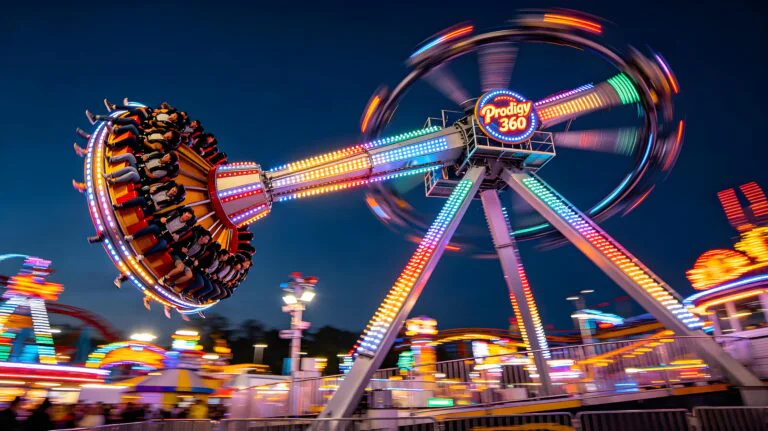
The amusement industry continues to grow worldwide, creating strong demand for innovative attractions that can increase visitor attendance and maximize revenue. Among the most exciting attractions available today is the 360 Amusement Ride, a thrilling attraction that combines rotation, speed, height, and visual appeal to create an unforgettable guest experience.

For theme park owners, carnival operators, investors, and entertainment venue developers, one of the most common questions is: How much does a 360 Amusement Ride cost in 2026?
The answer depends on several factors, including ride type, size, capacity, customization level, technology, and installation requirements.
What Is a 360 Amusement Ride?
A 360 Amusement Ride is a category of thrill attractions that rotate passengers through complete circular movements while combining various motion patterns.
Popular models include:
- 360 Big Pendulum Rides
- 360 Gyroscope Rides
- Rotating Swing Rides
- Extreme Thrill Rides
- Multi-Axis Rotation Attractions
These rides are commonly found in:
- Theme parks
- Amusement parks
- Tourist attractions
- Entertainment centers
- Traveling carnivals
Their ability to deliver high-adrenaline experiences makes them popular worldwide.
Average 360 Amusement Ride Cost in 2026
The cost of a 360 Amusement Ride can vary significantly depending on specifications and project requirements.
Estimated Price Ranges
| Ride Category | Estimated Cost Range |
|---|---|
| Small 360 Ride Models | $50,000 – $150,000 |
| Medium Commercial Models | $150,000 – $500,000 |
| Large Thrill Ride Models | $500,000 – $1,500,000+ |
| Fully Customized Premium Projects | $1,000,000 – $3,000,000+ |
These figures represent general market estimates and may vary depending on manufacturer capabilities and customization requirements.
Factors That Affect 360 Amusement Ride Pricing
1. Ride Type
Different ride categories require different levels of engineering and manufacturing complexity.
For example:
- Small rotating rides are generally more affordable.
- Large pendulum rides require more steel, larger motors, and complex safety systems.
- Multi-axis rides often feature advanced control technology and specialized engineering.
Ride type is often the biggest factor affecting overall cost.
2. Ride Size and Height
Larger rides require:
- Additional structural steel
- More powerful drive systems
- Larger foundations
- More extensive engineering analysis
As ride dimensions increase, so does the manufacturing cost.
3. Passenger Capacity
Passenger capacity directly influences project pricing.
Common capacities include:
| Capacity | Typical Application |
| 12–16 Riders | Small parks |
| 16–24 Riders | Regional attractions |
| 24–40 Riders | Large amusement parks |
| 40+ Riders | Major theme parks |
Higher-capacity rides typically generate greater revenue potential.
4. Customization Options
Many buyers choose customized rides to strengthen branding and improve guest experiences.
Popular customization options include:
- Custom themes
- Unique color schemes
- Branded graphics
- Decorative structures
- Special lighting effects
While customization increases upfront costs, it often enhances long-term attraction value.
5. LED Lighting Packages
Modern 360 rides frequently feature advanced LED systems.
Available upgrades include:
- RGB color-changing lights
- Dynamic animations
- Music synchronization
- Holiday-themed displays
Premium lighting packages can increase costs but significantly improve visual appeal.
6. Smart Control Technology
Advanced rides often include:
- PLC control systems
- Touchscreen operation panels
- Automated diagnostics
- Remote monitoring
- Predictive maintenance tools
These technologies improve reliability and operational efficiency while affecting overall pricing.
Installation Costs to Consider
Many buyers focus only on equipment pricing and overlook installation-related expenses.
Foundation Construction
Most commercial rides require reinforced concrete foundations designed according to engineering specifications.
Transportation and Shipping
Shipping costs depend on:
- Ride size
- Export location
- Destination country
- Port accessibility
International logistics can represent a significant portion of the total project budget.
Installation Services
Professional installation may include:
- Assembly supervision
- System commissioning
- Operator training
- Performance testing
These services help ensure safe and efficient operation.
Typical Operating Costs
In addition to the purchase price, operators should consider ongoing expenses.
Common Operating Costs
- Electricity consumption
- Staff wages
- Routine inspections
- Spare parts replacement
- Maintenance services
- Insurance
High-quality rides often provide lower long-term maintenance costs.
How to Maximize Return on Investment
A 360 Amusement Ride can be highly profitable when properly managed.
Revenue Sources
- Ride ticket sales
- Park admissions
- Event promotions
- VIP experiences
- Sponsorship opportunities
Factors That Improve ROI
- Strategic ride placement
- Attractive theming
- Premium lighting effects
- Effective marketing
- Reliable operation
Many operators view large 360 rides as flagship attractions capable of driving attendance and increasing guest spending.
Safety Features Worth Investing In
Although advanced safety systems may increase initial costs, they provide long-term value.
Important features include:
- Multi-point restraint systems
- Redundant locking mechanisms
- Emergency stop functions
- Automated fault detection
- Real-time monitoring systems
Prioritizing safety helps protect guests and reduce operational risks.
Choosing the Right Manufacturer
A reliable manufacturer can significantly impact project success.
What to Look For
Industry Experience
Choose a supplier with a strong track record in amusement ride manufacturing.
Engineering Expertise
Evaluate:
- Structural design capabilities
- Testing procedures
- Quality-control standards
Custom Manufacturing Services
Leading suppliers offer OEM and custom ride solutions tailored to specific project needs.
After-Sales Support
Look for companies that provide:
- Installation assistance
- Technical training
- Spare parts support
- Maintenance consultation
Strong support helps maximize ride performance and longevity.
Why Many Buyers Choose Prodigy
Prodigy has become a preferred choice for amusement operators due to its:
- Advanced engineering expertise
- Competitive pricing
- OEM manufacturing services
- Global export capabilities
- Professional installation support
- Comprehensive after-sales service
These advantages help investors achieve reliable operation and long-term profitability.
2026 Trends Affecting Ride Prices
Several industry trends are influencing 360 ride costs in 2026:
Increased Customization Demand
Buyers increasingly request unique ride themes and branding solutions.
Smart Technology Integration
Modern attractions are incorporating:
- IoT monitoring systems
- Predictive maintenance tools
- Advanced ride control systems
Enhanced Visual Experiences
High-end LED displays and multimedia features continue to grow in popularity.
These innovations improve guest experiences but may increase overall project costs.
Is a 360 Amusement Ride Worth the Investment?
For many operators, the answer is yes.
A professionally manufactured 360 Amusement Ride offers:
- Strong guest appeal
- High visibility
- Excellent marketing value
- Increased attendance
- Long-term revenue opportunities
When combined with proper maintenance and effective operations, these attractions can provide substantial returns over their service life.
Conclusion
The cost of a 360 Amusement Ride in 2026 can range from approximately $50,000 for smaller models to more than $3 million for large customized attractions. Factors such as ride type, size, passenger capacity, customization, technology, installation, and shipping all influence the final investment amount.
By carefully evaluating project requirements and partnering with an experienced manufacturer, buyers can select a ride that delivers exceptional guest experiences, strong operational performance, and long-term profitability. For theme parks, carnivals, and entertainment venues seeking a high-impact attraction, a 360 Amusement Ride remains one of the most exciting and rewarding investments available.