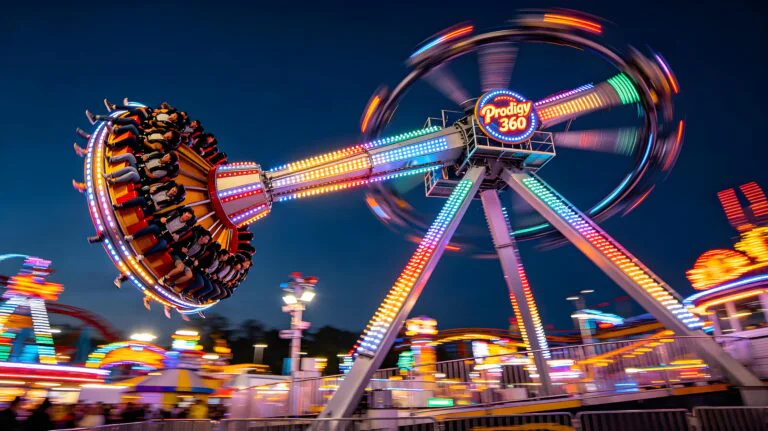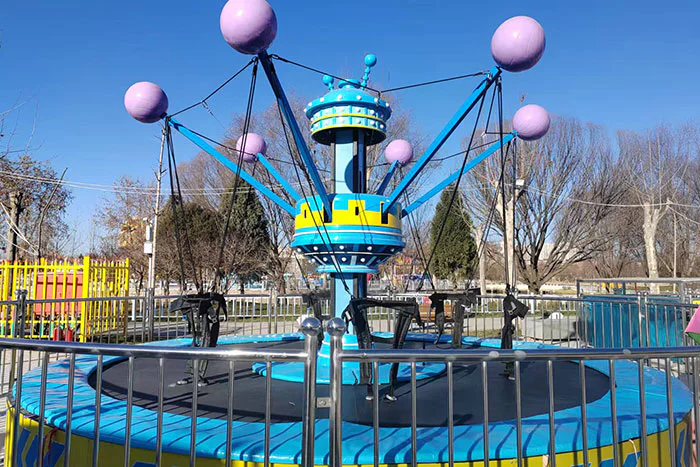
Prodigy Classic Carnival Rides That Still Operate Today
Classic carnival rides have survived for more than a century because they deliver something modern attractions often cannot: timeless entertainment, simple mechanics, and universal appeal. In 2026, many of these rides are still operating in amusement parks, traveling fairs, and heritage entertainment venues around the world.

The term “Prodigy classic carnival rides” is commonly used to describe well-maintained or modernized versions of traditional rides that combine vintage charm with updated safety systems and engineering reliability.
Why Classic Carnival Rides Still Exist Today
Despite rapid innovation in the amusement industry, classic rides remain essential for many parks.
Key Reasons for Their Longevity
- Strong nostalgic and emotional appeal
- Simple mechanical design and reliability
- Lower maintenance compared to complex thrill rides
- Family-friendly experiences for all ages
- Iconic visual identity for parks and fairs
These rides form the foundation of traditional amusement culture.
Most Popular Classic Carnival Rides Still Operating Today
1. Carousel (Merry-Go-Round)
The carousel is one of the oldest and most recognizable amusement rides in history.

Why It Still Operates:
- Simple rotating mechanism
- Wide age appeal
- Strong decorative storytelling potential
Modern Upgrades:
- LED lighting systems
- Electric motor replacements
- Reinforced safety platforms
2. Ferris Wheel
The Ferris wheel remains a global amusement park icon.
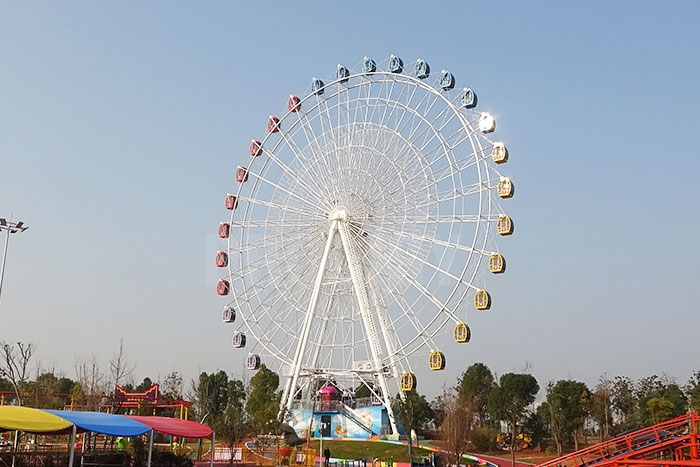
Why It Still Operates:
- High passenger capacity
- Slow, scenic ride experience
- Landmark visual attraction
Modern Upgrades:
- Steel structural reinforcement
- Enclosed glass cabins
- Computerized control systems
3. Bumper Cars
Bumper cars remain one of the most interactive carnival experiences.
Why It Still Operates:
- High replay value
- Easy operation and supervision
- Fun group interaction
Modern Upgrades:
- Electric floor or battery systems
- Improved collision safety padding
- LED lighting effects
4. Swing Carousel (Chair-O-Planes)
This rotating swing ride has been a fairground staple for decades.
Why It Still Operates:
- Balanced thrill and comfort
- Visually dynamic motion
- Family-friendly ride level
Modern Upgrades:
- Hydraulic safety locking systems
- Reinforced suspension chains
- Digital speed control
5. Vintage Train Ride
Mini trains are still widely used in amusement parks and resorts.
Why It Still Operates:
- Ideal for park transportation
- Scenic storytelling experience
- Suitable for all ages
Modern Upgrades:
- Electric or hybrid engines
- Improved braking systems
- Themed passenger cars
6. Swing Boats (Pirate Ship Ride)
A classic pendulum ride found in fairs and parks worldwide.
Why It Still Operates:
- Moderate thrill experience
- Strong visual motion appeal
- Simple mechanical design
Modern Upgrades:
- Safety harness systems
- Hydraulic damping controls
- Structural steel reinforcement
How Classic Carnival Rides Have Been Modernized
Even though designs remain traditional, internal systems have evolved significantly.
Key Improvements
- Digital ride control systems
- Advanced emergency braking
- Structural steel upgrades
- Energy-efficient electric motors
- Real-time safety monitoring sensors
These improvements ensure compliance with modern safety standards while preserving classic aesthetics.
Safety Standards for Classic Carnival Rides
Modern operation requires strict compliance:
- ASTM F24 amusement ride standards
- Regular mechanical inspections
- Electrical system certification
- Operator training requirements
- Emergency shutdown systems
Safety upgrades are essential for continued operation in modern parks.
Cost of Classic Carnival Rides (2026)
| Ride Type | Estimated Cost |
|---|---|
| Carousel | $50,000 – $500,000 |
| Ferris Wheel | $100,000 – $2,000,000+ |
| Bumper Cars | $30,000 – $300,000 |
| Swing Ride | $60,000 – $400,000 |
| Train Ride | $80,000 – $800,000 |
Costs vary depending on size, customization, and modernization level.
Where Classic Carnival Rides Are Still Used Today
Theme Parks
- Heritage-themed zones
- Family entertainment areas
Traveling Carnivals
- Portable ride systems
- Seasonal fairs and festivals
Resorts and Hotels
- Leisure and scenic attractions
- Guest entertainment features
Cultural Parks and Museums
- Historical recreation displays
- Educational amusement exhibits
Why “Prodigy-Style” Classic Rides Are in Demand
The “Prodigy” concept reflects a blend of:
- Classic ride design
- Modern safety engineering
- Affordable operational efficiency
- Strong visual storytelling
This combination is especially popular among new amusement park investors in 2026.
Industry Trends in 2026
Classic carnival rides are evolving with:
- Eco-friendly electric systems
- LED retro lighting designs
- Modular portable ride structures
- Smart safety monitoring
- Hybrid vintage-modern aesthetics
Frequently Asked Questions (FAQ)
Are classic carnival rides still safe today?
Yes, when upgraded to meet modern safety standards and regularly inspected.
What is the most popular classic carnival ride?
The carousel remains the most iconic and widely used ride.
Why do parks still use old-style rides?
Because they are reliable, affordable, and appeal to all age groups.
Can classic rides be modernized?
Yes, most can be upgraded with new control and safety systems.