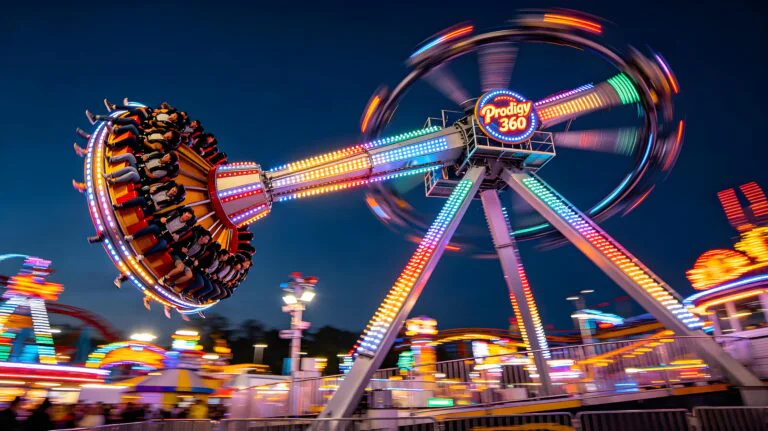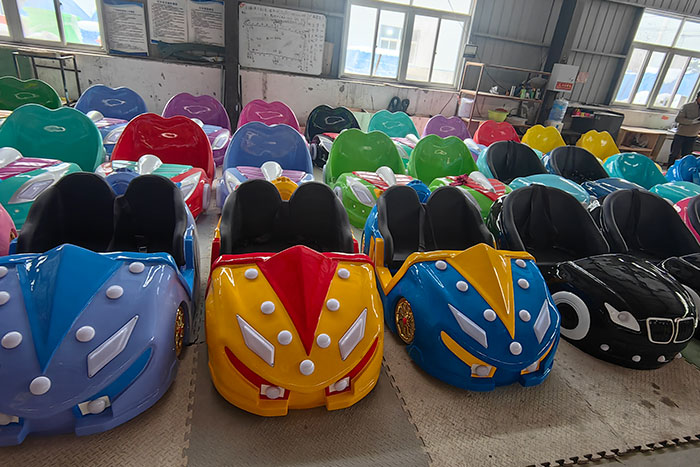
When planning an amusement park or tourism project, understanding the cost structure of amusement ride companies is essential. Prices vary widely depending on ride type, size, customization, safety standards, and manufacturer location.
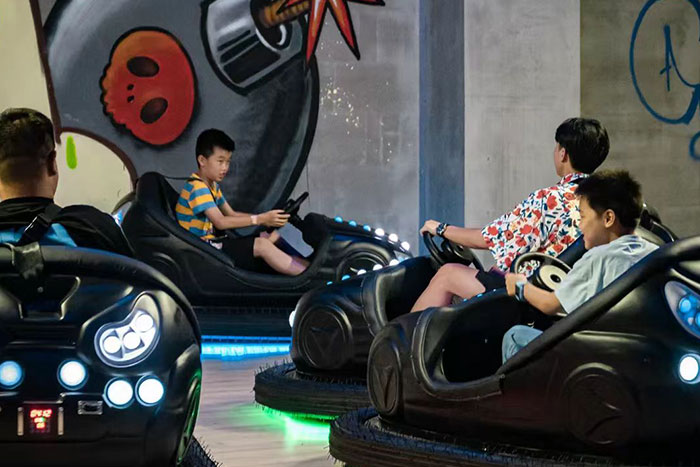
In 2026, amusement ride investments can range from $5,000 for small kiddie rides to over $20 million for large roller coasters, making proper budgeting a critical part of project planning.
Average Amusement Ride Prices (2026 Overview)
Below is a general price range for different types of amusement rides offered by global manufacturers.
Ride Price Table
| Ride Type | Typical Price Range |
|---|---|
| Kiddie Rides | $5,000 – $50,000 |
| Small Family Rides | $20,000 – $150,000 |
| Trackless Trains | $15,000 – $120,000 |
| Ferris Wheels (Small–Medium) | $50,000 – $500,000 |
| Carousel Rides | $10,000 – $200,000 |
| Pendulum Rides | $80,000 – $1,500,000 |
| Drop Towers | $150,000 – $3,000,000 |
| Roller Coasters | $500,000 – $20,000,000+ |
| Water Rides | $300,000 – $10,000,000 |
These prices vary depending on the manufacturer, customization level, and installation requirements.
Key Factors That Affect Amusement Ride Pricing
1. Ride Type and Complexity
Simple rides like carousels cost significantly less than high-thrill roller coasters.
- Kiddie rides = low engineering complexity
- Family rides = moderate complexity
- Thrill rides = high engineering complexity
2. Manufacturer Location
Where the amusement ride company is based affects pricing:
China Manufacturers
- Lower production costs
- Competitive pricing
- High customization flexibility
European Manufacturers
- Premium engineering
- Higher pricing
- Strong brand reputation
U.S. Manufacturers
- High-quality systems
- Advanced technology
- Premium pricing
3. Customization Level
Custom rides increase cost significantly.
Standard Rides
- Pre-designed models
- Faster delivery
- Lower cost
Custom Rides
- Themed design
- Branding integration
- Structural modifications
- Higher cost
4. Materials and Build Quality
Material selection impacts durability and price:
- Steel structure grade
- Fiberglass decoration quality
- Electrical system components
- Control system technology
5. Capacity and Size
Larger rides require:
- More steel
- Stronger motors
- Higher safety systems
- More complex installation
6. Technology Features
Modern amusement rides may include:
- LED lighting systems
- Smart control panels
- AI safety monitoring
- VR/AR integration
- Automated braking systems
These upgrades increase overall cost.
7. Shipping and Installation
Additional costs may include:
- International shipping
- On-site installation
- Foundation construction
- Technical training
- Customs and taxes
Price Comparison: China vs Europe vs USA
| Region | Price Level | Quality | Customization | Lead Time |
|---|---|---|---|---|
| China | Low–Mid | Improving fast | Very flexible | Fast |
| Europe | High | Premium | Moderate | Medium |
| USA | High | Premium | Moderate | Medium |
China remains the most cost-effective option for large-scale amusement park development.
Cost Breakdown by Ride Category
1. Kiddie Rides ($5,000 – $50,000)
Includes:
- Mini cars
- Small animal rides
- Indoor play rides
Best for:
- Shopping malls
- Indoor parks
- Small entertainment centers
2. Family Rides ($20,000 – $150,000)
Includes:
- Flying chairs
- Small carousels
- Trackless mini trains
Best for:
- Resorts
- FECs
- Local amusement parks
3. Medium Thrill Rides ($80,000 – $1,500,000)
Includes:
- Pendulum rides
- Medium Ferris wheels
- Spinning rides
Best for:
- Regional parks
- Tourist attractions
4. Large Thrill Attractions ($500,000 – $20M+)
Includes:
- Roller coasters
- Giant Ferris wheels
- Drop towers
Best for:
- Major theme parks
- National tourism destinations
Hidden Costs Buyers Should Consider
Many first-time buyers overlook additional expenses:
Installation Costs
- Foundation construction
- Electrical setup
- Assembly labor
Maintenance Costs
- Spare parts
- Annual inspections
- Repairs and upgrades
Operational Costs
- Energy consumption
- Staff training
- Insurance
How to Get the Best Price from Amusement Ride Companies
1. Buy Direct from Manufacturer
Avoid middlemen to reduce cost.
2. Order Multiple Rides Together
Bulk orders often receive discounts.
3. Choose Standard Models When Possible
Custom designs increase pricing significantly.
4. Compare Multiple Suppliers
Evaluate at least 3–5 companies before purchasing.
5. Request Full Project Quotation
Ensure pricing includes:
- Shipping
- Installation
- Spare parts
- Warranty
ROI Consideration: Are Amusement Rides Worth the Cost?
Amusement rides can generate strong returns when properly planned.
Revenue Sources:
- Ticket sales
- VIP experiences
- Group bookings
- Seasonal events
High ROI Rides:
- Ferris wheels
- Trackless trains
- Family rides
- Medium thrill attractions
Well-located rides can recover investment within 1–3 years in high-traffic tourist destinations.
Frequently Asked Questions (FAQ)
How much does it cost to start an amusement park?
Small parks may start from $100,000–$500,000, while large theme parks can exceed $10 million.
Why are amusement rides so expensive?
They require advanced engineering, strict safety systems, durable materials, and long-term operational reliability.
Are Chinese amusement ride companies cheaper?
Yes, Chinese manufacturers typically offer lower prices due to lower production costs and efficient supply chains.
What is the most expensive amusement ride?
Large roller coasters and custom thrill attractions can exceed $20 million depending on design and scale.
Do amusement ride prices include installation?
Not always. Installation is often quoted separately depending on project complexity and location.