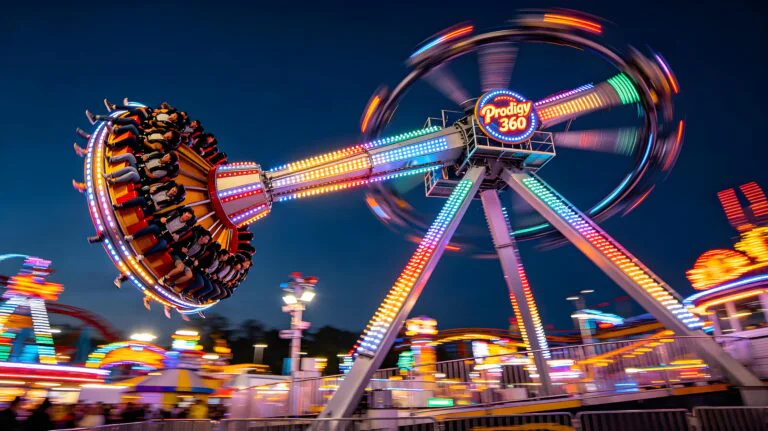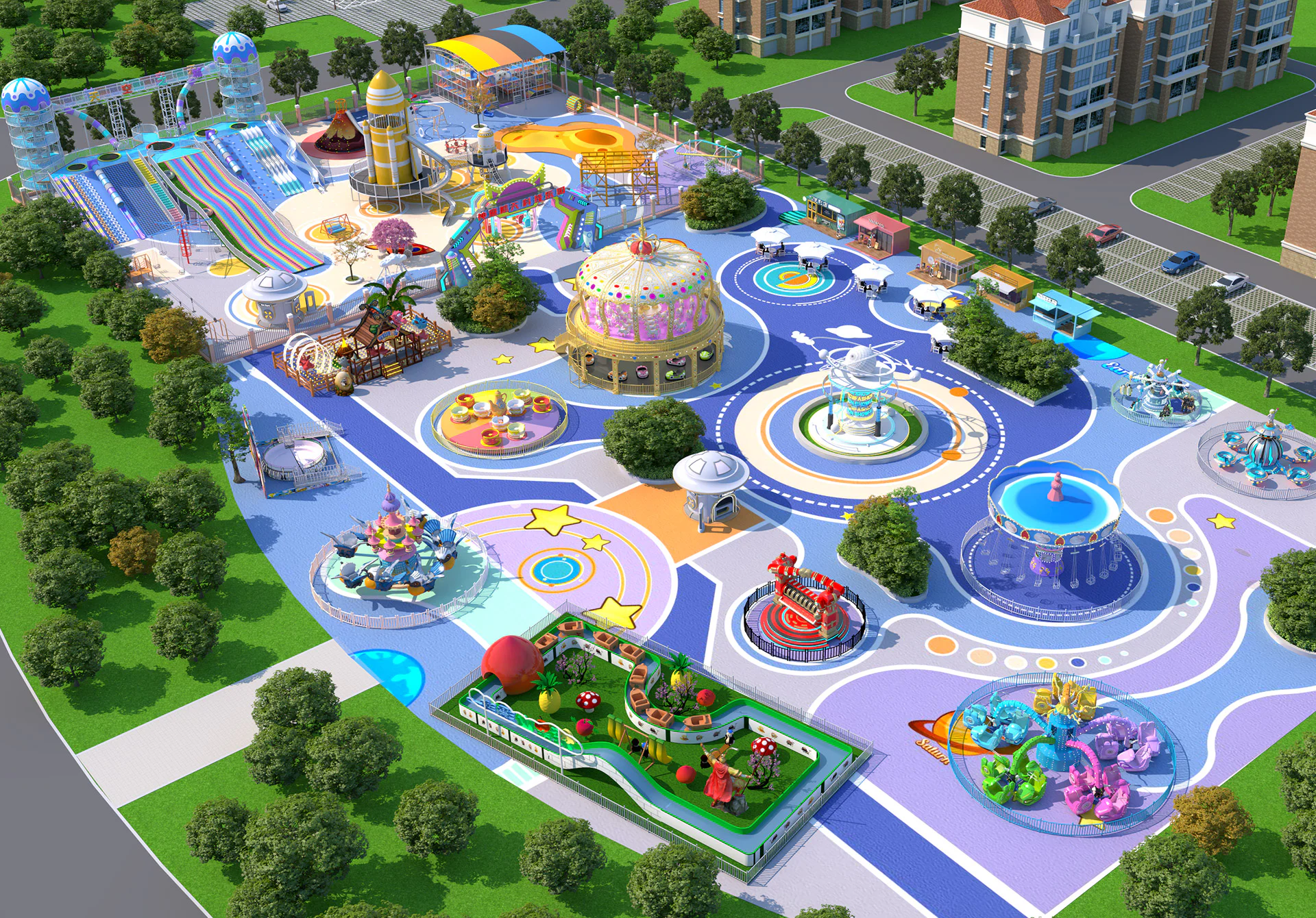
Planning a family outing or vacation often starts with one big question: Should you visit an amusement park or a theme park? While both offer exciting attractions and unforgettable memories, they provide very different experiences for parents and children.
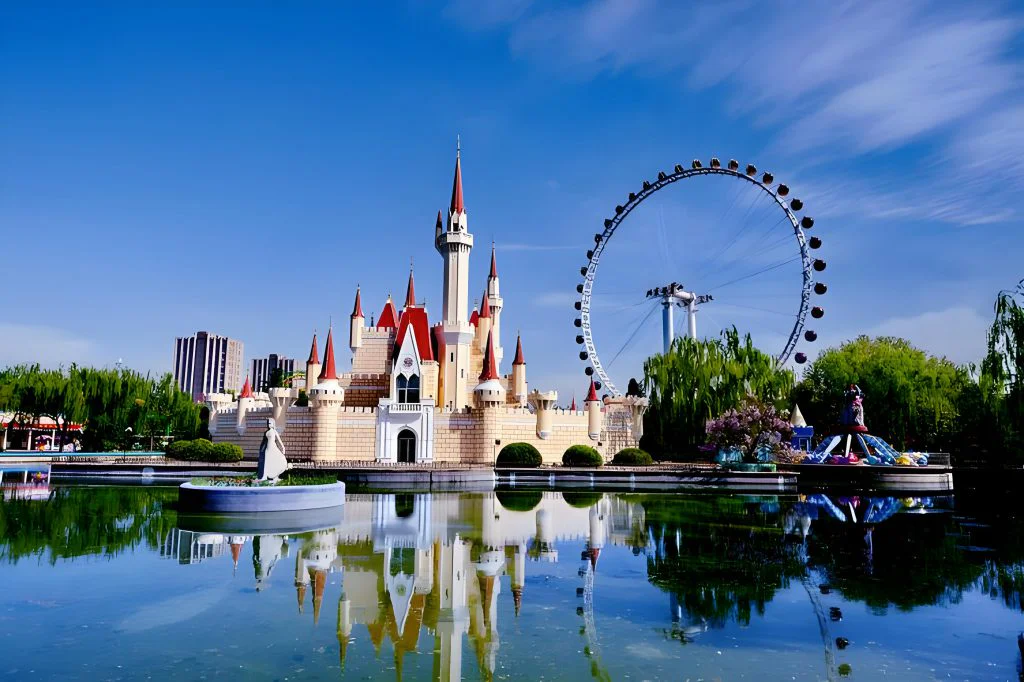
Understanding the differences between the two can help you choose a destination that matches your family’s interests, budget, and travel plans.
Quick Comparison: Amusement Park vs Theme Park for Families
| Feature | Amusement Park | Theme Park |
|---|---|---|
| Main Focus | Rides and games | Immersive storytelling and attractions |
| Best For | Day trips | Weekend getaways or vacations |
| Ride Variety | High | Moderate with themed experiences |
| Entertainment | Mostly rides | Rides, shows, parades, characters |
| Age Range | Kids, teens, adults | Toddlers to grandparents |
| Food Options | Standard | Themed restaurants and diverse dining |
| Average Visit | Half day to one day | One to three days |
| Budget | More affordable | Higher overall cost |
| Family Experience | Ride-focused | Experience-focused |
What Is an Amusement Park?
An amusement park is designed primarily around mechanical rides, games, and entertainment. Visitors spend most of their time enjoying attractions such as:
- Roller coasters
- Ferris wheels
- Carousel rides
- Bumper cars
- Swing rides
- Drop towers
- Pirate ships
- Kiddie rides
These parks are ideal for families who enjoy nonstop excitement and want to experience as many rides as possible in a single day.
What Is a Theme Park?
A theme park combines rides with storytelling and immersive environments. Every section of the park follows a consistent theme, creating a complete entertainment experience.
Families can enjoy:
- Themed attractions
- Character meet-and-greets
- Interactive experiences
- Live performances
- Seasonal festivals
- Parades
- Themed restaurants
- Unique shopping areas
Theme parks focus on creating memorable experiences beyond the rides themselves.
Which Park Is Better for Young Children?
Theme Parks Often Have the Advantage
Families with toddlers and young children usually find theme parks more accommodating because they offer:
- Gentle rides
- Character interactions
- Indoor attractions
- Interactive play zones
- Family-friendly shows
- Shaded rest areas
- Stroller-friendly pathways
Many attractions are specifically designed for children under 10 years old, allowing the entire family to participate.
Amusement Parks for Active Kids
Amusement parks are also great for younger guests, especially those featuring dedicated kiddie zones with:
- Mini trains
- Small carousels
- Junior roller coasters
- Family spinning rides
- Playground areas
However, the overall experience tends to revolve more around rides than immersive entertainment.
Which Park Is Better for Teenagers?
Teenagers often prefer amusement parks because of the larger selection of thrill rides.
Popular attractions include:
- High-speed roller coasters
- Giant pendulum rides
- Drop towers
- Flying swings
- Spinning attractions
- Water rides
Theme parks also offer thrilling attractions, but many balance excitement with storytelling and family appeal.
Entertainment Beyond the Rides
One of the biggest differences is the variety of entertainment available.
Amusement Parks
Entertainment usually includes:
- Mechanical rides
- Arcade games
- Food courts
- Occasional live performances
Theme Parks
Families enjoy much more than rides:
- Daily parades
- Live stage shows
- Fireworks
- Character performances
- Interactive exhibits
- Seasonal celebrations
- Educational attractions
This makes theme parks especially appealing for multi-generational family trips.
Family-Friendly Ride Options
Both park types include attractions suitable for all ages.
Common Family Rides
- Trackless trains
- Ferris wheels
- Carousel rides
- Mini roller coasters
- Tea cup rides
- Flying elephants
- Family swing rides
- River rides
- Observation towers
Theme parks often customize these rides with themed decorations, music, and storytelling to enhance the overall experience.
Comparing Costs
Budget is an important consideration when planning a family trip.
| Expense | Amusement Park | Theme Park |
|---|---|---|
| Admission | Lower | Higher |
| Parking | Moderate | Moderate to high |
| Food | Affordable | Premium pricing |
| Souvenirs | Basic | Extensive themed merchandise |
| Hotel | Usually unnecessary | Often part of the experience |
| Average Family Budget | Lower | Higher |
For families seeking an affordable day out, amusement parks are often the better value.
For those planning a vacation with multiple activities, theme parks may justify the higher cost through their broader entertainment offerings.
Which Park Is Safer for Families?
Both amusement parks and theme parks prioritize guest safety and follow strict industry regulations.
Modern parks typically feature:
- Daily ride inspections
- Certified maintenance teams
- Safety restraints
- Height requirements
- Emergency response procedures
- Trained ride operators
- Security personnel
- Medical assistance stations
Parents should always review ride restrictions and supervise children according to park guidelines.
Dining and Family Comfort
Theme parks generally offer a wider variety of dining experiences, including:
- Themed restaurants
- International cuisine
- Character dining
- Allergy-friendly menus
- Baby feeding facilities
Amusement parks often focus on quick-service options such as:
- Burgers
- Pizza
- Hot dogs
- Snacks
- Ice cream
Families spending an entire day at the park may appreciate the broader dining options available in theme parks.
Which Park Offers Better Value?
The answer depends on your family’s priorities.
Choose an Amusement Park If You Want:
- Affordable tickets
- Maximum number of rides
- Exciting thrill attractions
- Short day trips
- Flexible schedules
Choose a Theme Park If You Want:
- Immersive storytelling
- Character experiences
- Live entertainment
- Multi-day vacations
- Activities for all age groups
Tips for Planning the Perfect Family Park Visit
Whether visiting an amusement park or a theme park, planning ahead can make your trip more enjoyable.
Before You Go
- Purchase tickets online to save time.
- Check height requirements for children’s rides.
- Download the park map or mobile app.
- Review show schedules.
- Pack sunscreen, hats, and water bottles.
- Wear comfortable walking shoes.
During Your Visit
- Arrive early to avoid long queues.
- Visit popular attractions first.
- Schedule breaks for younger children.
- Stay hydrated throughout the day.
- Use lockers for bulky items if available.
The Future of Family Parks in 2026
Family entertainment continues to evolve with new technologies and guest expectations.
Emerging trends include:
- Interactive digital attractions
- AI-powered guest services
- Virtual queue systems
- Cashless payments
- Eco-friendly ride technology
- Smart park navigation
- Personalized visitor experiences
- Immersive family adventures
Both amusement parks and theme parks are investing in these innovations to improve comfort, convenience, and guest satisfaction.
Frequently Asked Questions (FAQ)
What is the main difference between an amusement park and a theme park?
An amusement park focuses on rides and entertainment, while a theme park combines attractions with immersive storytelling, themed environments, and interactive experiences.
Which is better for families with young children?
Theme parks are often better suited for young children because they offer gentle rides, character interactions, family shows, and immersive environments designed for all ages.
Are amusement parks more affordable than theme parks?
Yes. Amusement parks generally have lower admission fees and fewer additional expenses, making them a popular choice for budget-conscious families.
Which park has more thrill rides?
Amusement parks typically feature a larger selection of high-speed and high-thrill attractions, making them especially appealing to teenagers and adrenaline seekers.
Is a theme park worth the extra cost?
For families planning a vacation, a theme park can provide greater value through its combination of rides, entertainment, dining, shopping, and immersive experiences that extend beyond traditional attractions.