The global attractions industry continues to expand as demand for family entertainment, tourism, and leisure experiences grows. For entrepreneurs, investors, municipalities, and tourism developers, one important question remains:
Amusement park vs theme park: Which business model is more profitable?
The answer is not as simple as choosing one over the other. Profitability depends on several factors, including initial investment, operating costs, visitor demographics, ticket pricing, revenue diversification, location, and long-term growth strategy.
Generally, amusement parks offer lower startup costs and faster returns on investment (ROI), while theme parks can generate significantly higher long-term profits through multiple revenue streams and stronger brand loyalty.
Quick Comparison: Amusement Park vs Theme Park Business Model
| Factor | Amusement Park | Theme Park |
|---|---|---|
| Initial Investment | Medium | Very High |
| Construction Time | 12–24 months | 24–60 months |
| Operating Costs | Moderate | High |
| Ticket Prices | Moderate | Premium |
| Revenue Streams | Tickets, rides, food, games | Tickets, hotels, dining, retail, events, licensing |
| Average Guest Spending | Moderate | High |
| Visitor Stay | Half day to 1 day | 1–5 days |
| ROI Timeline | Faster | Longer but potentially greater |
| Expansion Opportunities | Moderate | Extensive |
| Brand Value | Local or regional | National or international |
Understanding the Two Business Models
What Is an Amusement Park?
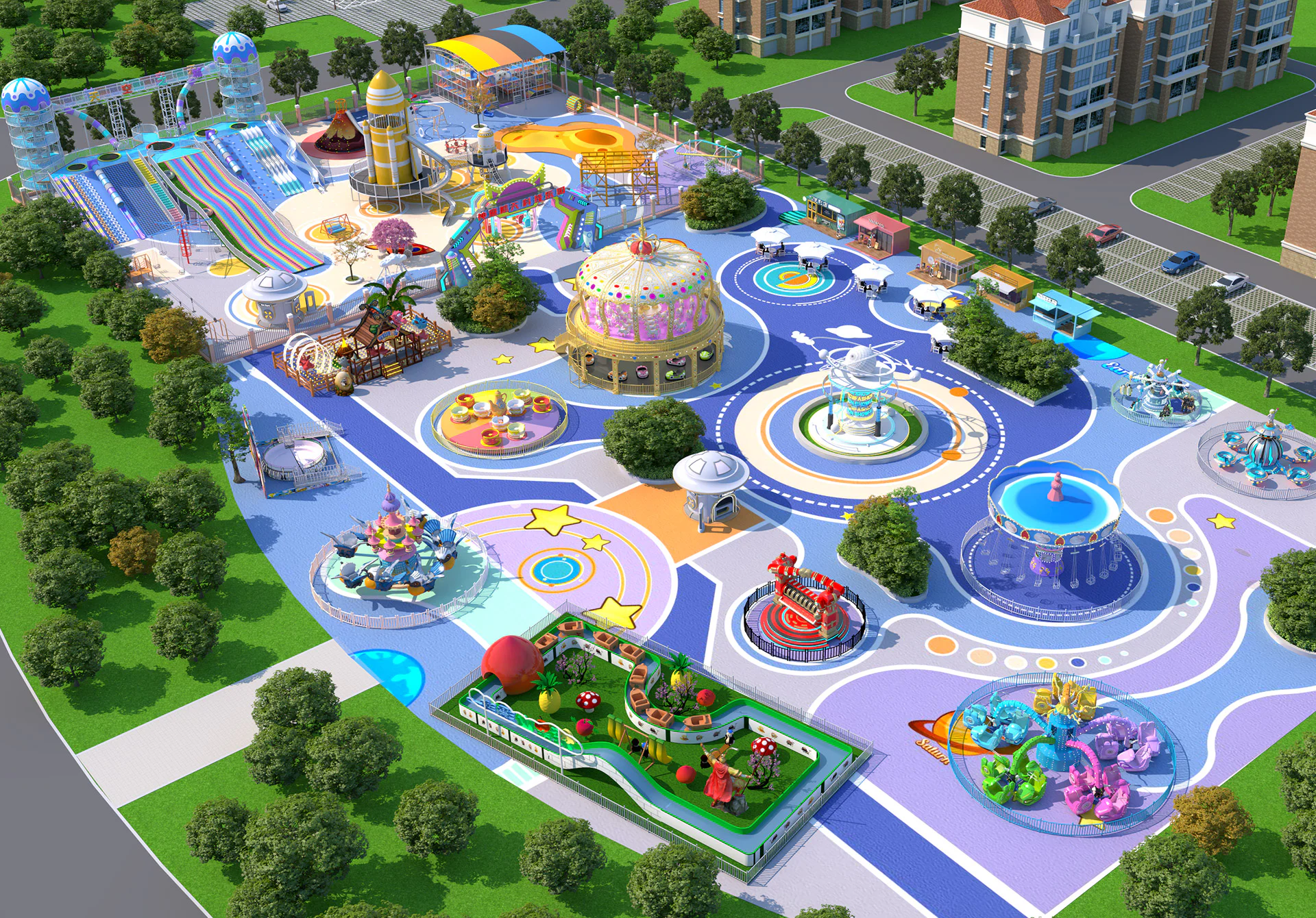
An amusement park focuses primarily on mechanical rides and attractions. Its goal is to provide entertainment through thrilling experiences while maintaining relatively efficient operations.
Typical attractions include:
- Roller coasters
- Ferris wheels
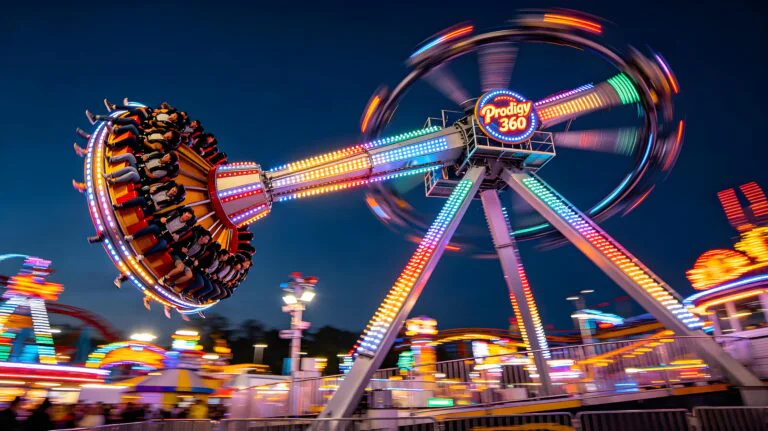
- Pendulum rides
- Bumper cars
- Carousel rides
- Family rides
- Water rides
- Arcade games
Most amusement parks target local residents and regional tourists.
What Is a Theme Park?
A theme park builds an immersive environment around a consistent story, culture, movie franchise, historical setting, or fantasy world.
Beyond rides, theme parks include:
- Themed attractions
- Live entertainment
- Character experiences
- Interactive exhibits
- Hotels
- Shopping districts
- Themed restaurants
- Seasonal festivals
Many theme parks operate as destination resorts, attracting domestic and international visitors.
Initial Investment Comparison
One of the biggest differences is capital investment.
Amusement Park Investment
Typical expenses include:
- Land acquisition
- Ride procurement
- Infrastructure
- Utilities
- Landscaping
- Food courts
- Parking
- Safety systems
Because theming requirements are limited, development costs remain relatively manageable.
Advantages
- Lower financial risk
- Faster construction
- Easier financing
- Quicker market entry
Theme Park Investment
Theme parks require substantial investment in:
- Master planning
- Themed architecture
- Immersive landscaping
- Show buildings
- Advanced ride systems
- Hotels
- Retail villages
- Entertainment venues
- Digital technologies
- Decorative elements
Although costs are significantly higher, these investments create unique visitor experiences that support premium pricing.
Revenue Streams
Amusement Park Revenue Sources
Income typically comes from:
- Admission tickets
- Ride passes
- Food and beverages
- Arcade games
- Souvenir sales
- Parking
- Seasonal events
Revenue is often concentrated around ticket sales and ride-related spending.
Theme Park Revenue Sources
Theme parks benefit from diversified income streams, including:
- Admission tickets
- Resort hotels
- Restaurants
- Premium dining experiences
- Retail stores
- Character merchandise
- VIP tours
- Fast-pass or priority access
- Event hosting
- Conferences
- Seasonal festivals
- Licensing and sponsorships
This diversification improves resilience during changing market conditions.
Visitor Spending
Average spending per guest is one of the most important profitability metrics.
Amusement Parks
Visitors generally purchase:
- Admission
- Snacks
- Drinks
- Souvenirs
- Ride upgrades
Theme Parks
Guests often spend on:
- Multi-day tickets
- Hotels
- Dining
- Premium experiences
- Exclusive merchandise
- Entertainment packages
- Transportation
- Vacation services
As a result, theme parks typically generate higher revenue per visitor.
Operating Costs
Higher revenue also comes with higher operating expenses.
Amusement Park Costs
Typical expenses include:
- Ride maintenance
- Utilities
- Staffing
- Insurance
- Marketing
- Seasonal labor
These costs are generally predictable and easier to control.
Theme Park Costs
Additional expenses include:
- Live entertainment
- Character performers
- Landscaping
- Hotel operations
- Retail management
- Advanced technology
- Extensive maintenance
- Themed décor updates
- Special events
Effective cost management is essential to maintain profitability.
Return on Investment (ROI)
Amusement Parks
Advantages include:
- Lower capital requirements
- Faster construction
- Earlier cash flow
- Shorter payback periods
- Easier expansion
Smaller regional parks can often achieve profitability sooner if they maintain strong attendance and efficient operations.
Theme Parks
Although ROI typically takes longer, successful theme parks can deliver substantial long-term returns through:
- Higher guest spending
- Longer visitor stays
- Strong repeat visitation
- Premium pricing
- Brand recognition
- Destination tourism
The long-term earning potential can exceed that of traditional amusement parks.
Customer Loyalty
Theme parks excel at building emotional connections.
Guests return because of:
- Favorite themed lands
- Seasonal events
- Character experiences
- Annual passes
- Exclusive attractions
- Holiday celebrations
Amusement parks also encourage repeat visits, particularly through new rides and seasonal promotions, but storytelling often creates stronger brand loyalty.
Scalability and Expansion
Amusement Parks
Expansion usually involves adding:
- New rides
- Family attractions
- Water attractions
- Food outlets
- Event spaces
This modular approach allows operators to grow incrementally.
Theme Parks
Expansion opportunities include:
- New themed lands
- Hotels
- Water parks
- Entertainment districts
- Shopping centers
- Resorts
- Cruise experiences
- Branded attractions
A successful intellectual property (IP) or original theme can support growth across multiple locations and markets.
Which Model Fits Different Markets?
Amusement Parks Are Often Better For:
- Regional cities
- Smaller tourism markets
- Budget-conscious visitors
- Seasonal operations
- Local entertainment businesses
- Investors seeking lower capital requirements
Theme Parks Are Often Better For:
- Major tourism destinations
- International travel markets
- Integrated resorts
- Government tourism projects
- Destination developments
- Investors with long-term growth strategies
Choosing the Right Ride Portfolio
Regardless of the business model, selecting the right attractions is critical.
Popular Family Rides
- Trackless trains
- Carousel rides
- Ferris wheels
- Family coasters
- Mini flying rides
Popular Thrill Rides
- Giant pendulum rides
- Launch coasters
- Drop towers
- Flying theaters
- Water coasters
Interactive Attractions
- Dark rides
- Motion simulators
- VR attractions
- AR experiences
- Interactive shooting rides
For theme parks, rides are often customized with themed vehicles, immersive scenery, synchronized lighting, and multimedia effects to reinforce the park’s identity.
Industry Trends Shaping Profitability in 2026
Several trends are influencing both business models:
- AI-powered guest services
- Dynamic ticket pricing
- Mobile apps and digital wayfinding
- Virtual queue systems
- Cashless payments
- Personalized marketing
- Sustainable ride technology
- Renewable energy integration
- Interactive storytelling
- Data-driven operations
Operators that embrace these innovations can improve efficiency, enhance guest satisfaction, and increase profitability.
Tips for Investors
When choosing between an amusement park and a theme park, evaluate:
- Target market size
- Tourist traffic
- Available investment capital
- Land costs
- Local competition
- Seasonal demand
- Infrastructure
- Long-term expansion plans
- Expected operating costs
- Revenue diversification opportunities
Conducting a detailed feasibility study and financial analysis before construction is essential for long-term success.
Frequently Asked Questions (FAQ)
Which is more profitable: an amusement park or a theme park?
Theme parks often generate higher long-term profits because they earn revenue from multiple sources such as hotels, dining, retail, and premium experiences. Amusement parks, however, can achieve faster ROI due to their lower startup and operating costs.
Why do theme parks require more investment?
Theme parks invest heavily in immersive architecture, themed attractions, entertainment, landscaping, hotels, technology, and guest experiences, all of which increase development and operating costs.
Are amusement parks easier to manage?
Generally, yes. Amusement parks have simpler operations, fewer business units, and lower maintenance requirements, making them easier to manage than large destination theme parks.
Which business model is better for a small city?
An amusement park is often a better fit for smaller markets because it requires less capital, can open more quickly, and primarily serves local and regional visitors.
Can an amusement park become a theme park?
Yes. Many operators gradually introduce themed areas, immersive attractions, and enhanced entertainment over time. This phased approach allows them to evolve into a destination with stronger branding and increased revenue potential.