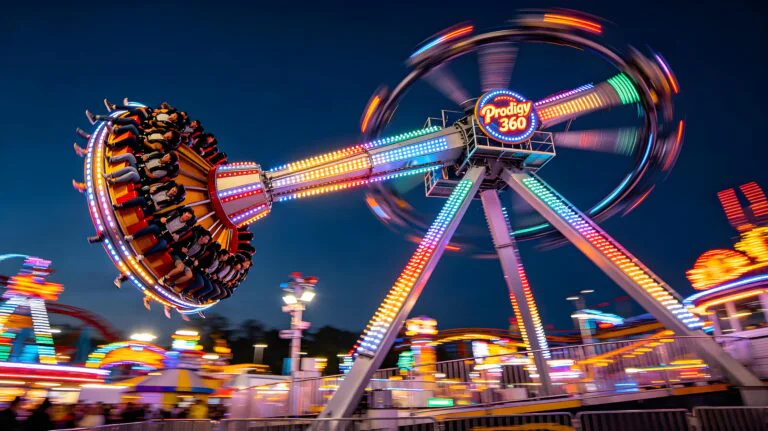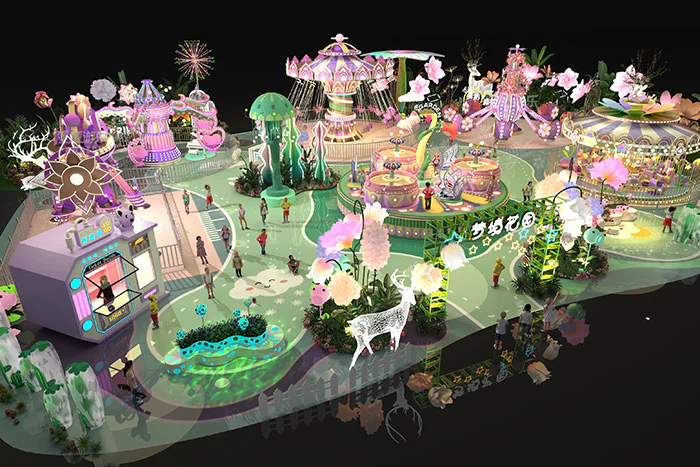
Amusement Park vs Theme Park: What’s the Difference?
Many people use the terms amusement park and theme park interchangeably. While both offer exciting rides and entertainment, they are not the same. Understanding the differences can help visitors choose the right destination and assist investors or park developers in planning successful projects.
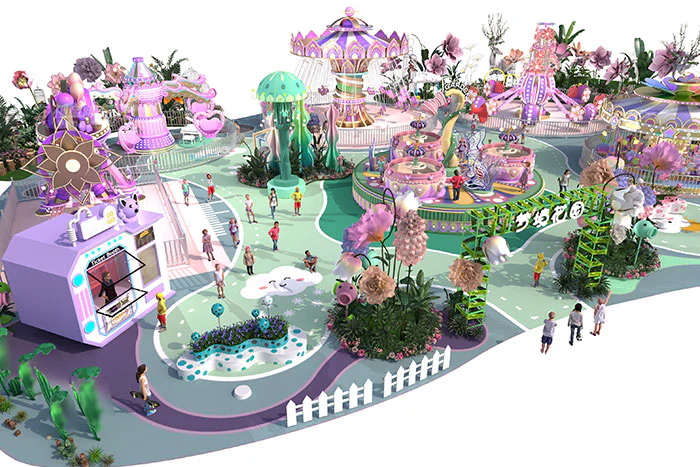
In this guide, we’ll explain the differences between amusement parks and theme parks, compare their attractions, costs, business models, and answer the most frequently asked questions.
Quick Comparison: Amusement Park vs Theme Park
| Feature | Amusement Park | Theme Park |
|---|---|---|
| Main Focus | Rides and entertainment | Storytelling and immersive experiences |
| Design | Collection of attractions | Unified theme throughout the park |
| Popular Attractions | Roller coasters, Ferris wheels, bumper cars | Themed rides, character experiences, live shows |
| Visitor Experience | Ride-oriented | Experience-oriented |
| Investment Cost | Moderate | High |
| Average Stay | Half day to one day | One to several days |
| Food & Shopping | Basic | Highly themed dining and retail |
| Target Audience | Families, teens, thrill seekers | Families, tourists, all age groups |
What Is an Amusement Park?
An amusement park is a venue designed primarily around rides, games, and entertainment. The main objective is providing fun through mechanical attractions rather than telling a story or creating an immersive environment.
Typical amusement park attractions include:
- Roller coasters
- Ferris wheels
- Carousel rides
- Swing rides
- Drop towers
- Bumper cars
- Pirate ships
- Kiddie rides
Most amusement parks focus on maximizing ride variety while keeping operating costs relatively manageable.
Advantages
- Lower construction costs
- Easier expansion
- Flexible ride selection
- Faster return on investment
- Suitable for regional markets
What Is a Theme Park?
A theme park combines attractions with a consistent story, culture, movie franchise, historical setting, or fantasy world. Every detail—from architecture to employee costumes—is designed to immerse guests in a themed environment.
Common themes include:
- Fairy tales
- Adventure
- Space exploration
- Pirates
- Ancient civilizations
- Wildlife
- Movies and animation
Visitors come not only for the rides but also for the atmosphere, entertainment, dining, shopping, and storytelling.
Advantages
- Higher guest engagement
- Longer visitor stays
- Premium ticket pricing
- Increased merchandise sales
- Stronger brand loyalty
The Biggest Differences Between Amusement Parks and Theme Parks
1. Storytelling
Theme parks revolve around storytelling.
For example:
- Buildings match the theme.
- Staff wear themed uniforms.
- Music enhances immersion.
- Restaurants continue the story.
- Attractions follow a narrative.
Amusement parks typically place rides based on available space rather than narrative continuity.
2. Ride Design
Amusement parks prioritize excitement.
Popular rides include:
- Giant pendulum rides
- Roller coasters
- Ferris wheels
- Flying towers
- Carousel rides
- Family rides
Theme parks often redesign rides to fit their stories.
A roller coaster inside a theme park may include:
- Animated characters
- Special effects
- Interactive scenes
- Soundtracks
- Detailed environments
3. Visitor Experience
Amusement parks emphasize ride quantity.
Visitors usually spend their day:
- Riding attractions
- Playing games
- Eating snacks
- Watching occasional performances
Theme parks encourage guests to explore:
- Multiple themed lands
- Live performances
- Character interactions
- Themed restaurants
- Immersive shopping
- Seasonal festivals
4. Park Layout
Amusement parks often expand by simply adding new rides.
Theme parks require careful master planning so every area maintains thematic consistency.
This makes theme park development significantly more complex.
5. Construction Costs
Theme parks generally require much higher investments because they include:
- Detailed architecture
- Landscaping
- Special effects
- Show buildings
- Advanced technology
- Entertainment venues
- Hotels
- Restaurants
- Retail areas
Amusement parks can often be developed in phases, allowing investors to expand over time.
Which Is Better for Families?
Both options appeal to families, but the experience differs.
Amusement Park
Best for:
- Short day trips
- Local visitors
- Ride enthusiasts
- Budget-conscious families
Theme Park
Best for:
- Vacation travel
- Multi-day experiences
- Children
- Fans of immersive entertainment
Which Offers More Thrilling Rides?
Many amusement parks specialize in high-thrill attractions.
Examples include:
- Extreme roller coasters
- Giant pendulum rides
- Drop towers
- High-speed spinning rides
Theme parks also feature thrilling rides but often balance excitement with storytelling.
Which Is More Expensive?
Generally:
| Expense | Amusement Park | Theme Park |
|---|---|---|
| Admission | Lower | Higher |
| Food | Moderate | Premium |
| Souvenirs | Basic | Extensive |
| Hotel | Usually optional | Often integrated |
| Length of Stay | One day | Multiple days |
Because theme parks offer more experiences, visitors typically spend more during their trip.
Business Perspective: Which Is More Profitable?
The answer depends on the target market.
Amusement Parks
Advantages include:
- Lower startup costs
- Faster construction
- Easier maintenance
- Flexible expansion
- Faster ROI
Theme Parks
Advantages include:
- Higher revenue per guest
- Premium pricing
- Strong brand identity
- More repeat visits
- Greater merchandising opportunities
Although theme parks require larger investments, they can generate substantial long-term returns when well managed.
How Ride Manufacturers Support Both Park Types
Whether building an amusement park or a theme park, selecting the right ride manufacturer is essential.
Modern manufacturers offer attractions suitable for various concepts, including:
- Trackless trains
- Roller coasters
- Ferris wheels
- Flying chairs
- Carousel rides
- Bumper cars
- Pendulum rides
- Family rides
- Water attractions
- Customized themed rides
For theme parks, many manufacturers also provide custom theming, decorative elements, lighting, and special effects to match a park’s unique identity.
Emerging Trends in 2026
The attractions industry continues to evolve with new technologies and guest expectations.
Key trends include:
- Interactive attractions
- AI-powered guest services
- Virtual reality experiences
- Augmented reality integration
- Energy-efficient ride systems
- Sustainable park design
- Cashless operations
- Smart queue management
- Personalized visitor experiences
- Highly themed family attractions
Both amusement parks and theme parks are increasingly adopting these innovations to enhance guest satisfaction.
Tips for Choosing the Right Park
Choose an amusement park if you want:
- Maximum rides
- Affordable tickets
- Quick day trips
- Thrill-focused entertainment
Choose a theme park if you prefer:
- Immersive storytelling
- Detailed environments
- Character experiences
- Family vacations
- Multi-day adventures
Frequently Asked Questions (FAQ)
Is every theme park an amusement park?
Yes. Every theme park is a type of amusement park because it includes amusement rides and attractions. However, not every amusement park qualifies as a theme park because many lack a unified theme.
Why are theme parks more expensive?
Theme parks invest heavily in immersive environments, themed architecture, live entertainment, advanced technology, landscaping, and guest experiences, leading to higher development and operating costs.
Which park type has more rides?
Amusement parks often feature a higher concentration of rides, while theme parks may offer fewer rides supplemented by shows, themed attractions, and interactive experiences.
Which is better for children?
Theme parks usually provide more family-friendly environments, character interactions, and immersive experiences, making them especially appealing to younger children.
Which type is easier to build?
Amusement parks are generally easier and less expensive to develop because they focus on installing attractions rather than creating fully themed environments.