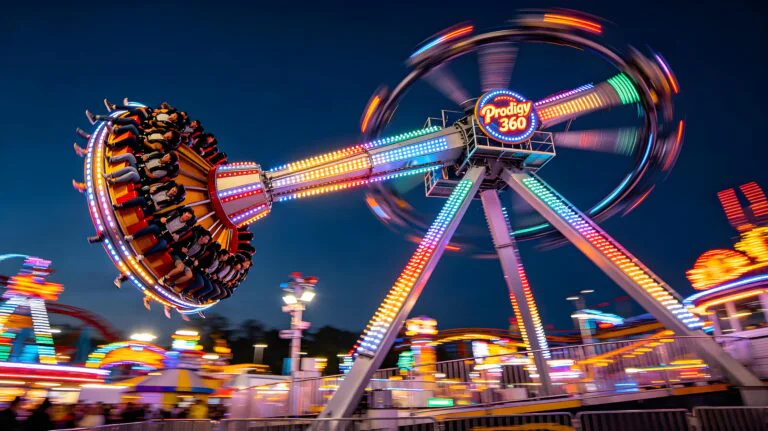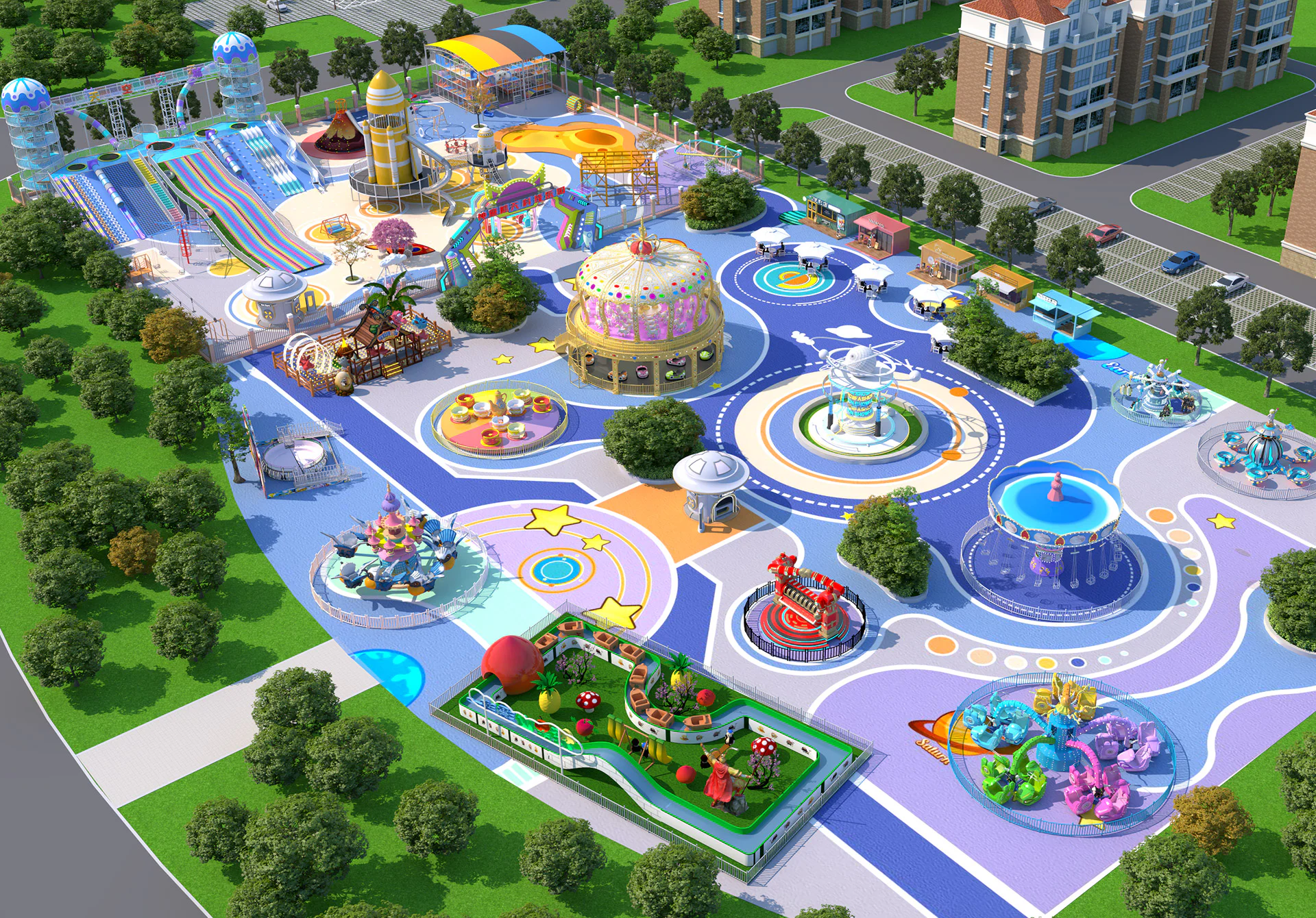
Among the most popular tourism investments are amusement parks and theme parks. But when governments, developers, or private investors plan a new tourism destination, an important question arises:Should you build an amusement park or a theme park?
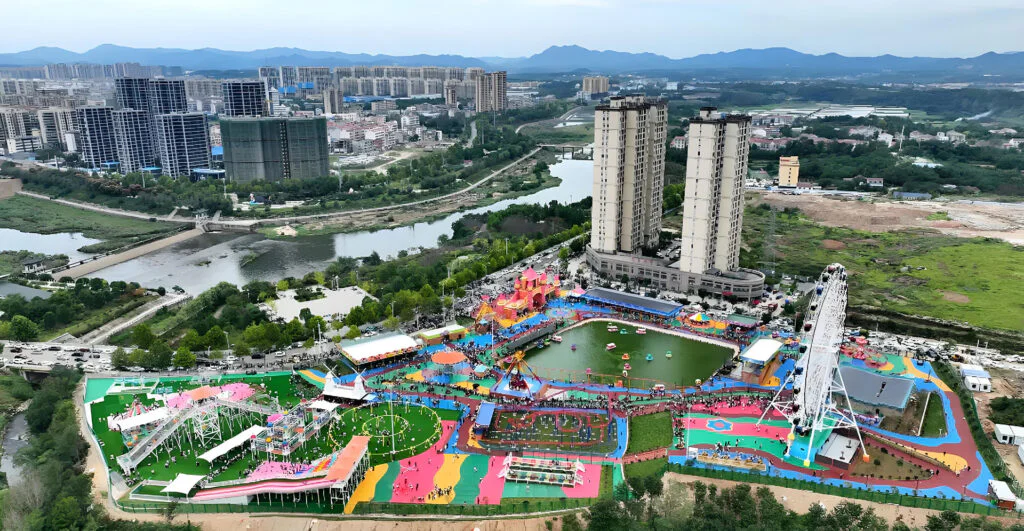
Both options can drive tourism, create jobs, and stimulate economic growth. However, they differ significantly in terms of investment, visitor appeal, operational complexity, and long-term profitability.
Quick Comparison: Amusement Park vs Theme Park
| Feature | Amusement Park | Theme Park |
|---|---|---|
| Primary Purpose | Ride-based entertainment | Immersive storytelling and destination experiences |
| Typical Visitors | Local families and regional tourists | Domestic and international tourists |
| Average Length of Stay | Half day to one day | One to five days |
| Initial Investment | Medium | High to very high |
| Revenue Sources | Tickets, rides, food, games | Tickets, hotels, dining, retail, entertainment, licensing |
| Economic Impact | Regional | Regional, national, and international |
| Expansion Potential | Moderate | Excellent |
| Brand Recognition | Local or regional | Global potential |
Why Tourism Development Needs Strong Attractions
Modern travelers are looking for more than sightseeing. They seek experiences that combine entertainment, culture, relaxation, and memorable moments.
Well-planned attractions can:
- Increase visitor arrivals
- Extend tourist stays
- Boost local spending
- Create employment
- Encourage private investment
- Improve destination branding
- Support nearby businesses
- Generate tax revenue
Both amusement parks and theme parks contribute to these goals, but their impact differs depending on the scale and objectives of the project.
What Is an Amusement Park?
An amusement park is designed around rides and attractions that provide excitement and recreation.
Typical attractions include:
- Roller coasters
- Ferris wheels
- Carousel rides
- Bumper cars
- Drop towers
- Pendulum rides
- Water rides
- Family attractions
- Arcade games
Amusement parks generally appeal to day visitors and regional markets.
Advantages
- Lower construction costs
- Faster development
- Easier operations
- Flexible expansion
- Affordable ticket pricing
What Is a Theme Park?
A theme park combines attractions with immersive storytelling, architecture, entertainment, and hospitality to create a destination experience.
In addition to rides, visitors enjoy:
- Themed lands
- Live performances
- Character experiences
- Interactive attractions
- Hotels and resorts
- Shopping districts
- Themed restaurants
- Seasonal festivals
Theme parks often become iconic tourism landmarks that attract visitors from around the world.
Tourism Benefits of Amusement Parks
1. Lower Initial Investment
Amusement parks require less capital than large-scale theme parks, making them an attractive option for developing regions or cities with limited budgets.
Investments typically focus on:
- Ride equipment
- Infrastructure
- Parking
- Food service
- Landscaping
- Safety systems
This allows projects to open sooner and begin generating revenue more quickly.
2. Faster Construction
Most amusement parks can be completed within one to two years, depending on project size.
A shorter construction timeline means:
- Earlier revenue generation
- Lower financing costs
- Faster job creation
- Reduced development risk
3. Strong Regional Appeal
Amusement parks are excellent attractions for:
- Local residents
- School groups
- Weekend travelers
- Families
- Teenagers
They encourage repeat visits and can become regional entertainment hubs.
Tourism Benefits of Theme Parks
1. Destination Tourism
Theme parks attract visitors from much larger geographic areas.
Many travelers plan vacations specifically to visit a famous theme park, making it a primary travel motivation rather than just one activity during a trip.
This increases:
- Hotel occupancy
- Airline traffic
- Restaurant revenue
- Retail spending
- Local transportation demand
2. Longer Visitor Stays
Unlike amusement parks, theme parks encourage guests to stay multiple days.
Visitors often spend time enjoying:
- Hotels
- Entertainment districts
- Shopping
- Water parks
- Live performances
- Nighttime spectaculars
Longer stays increase overall tourism revenue.
3. Higher Visitor Spending
Theme parks generate income from multiple sources.
Beyond admission tickets, visitors spend on:
- Accommodation
- Dining
- Merchandise
- Premium experiences
- Fast-track passes
- Seasonal events
- Character experiences
Higher spending benefits both park operators and surrounding businesses.
Economic Impact Comparison
| Economic Factor | Amusement Park | Theme Park |
|---|---|---|
| Job Creation | High | Very High |
| Local Business Growth | Moderate | Significant |
| Hotel Development | Limited | Strong |
| Retail Growth | Moderate | High |
| Tourism Branding | Regional | International |
| Visitor Spending | Moderate | High |
| Tax Revenue | Good | Excellent |
Theme parks often become anchors for wider tourism ecosystems, encouraging investment in hotels, restaurants, retail centers, and transportation infrastructure.
Which Model Is Better for Different Destinations?
Small and Medium Cities
Amusement parks are often the best choice because they:
- Require less capital
- Serve local populations
- Support weekend tourism
- Generate quicker returns
- Can expand gradually
Major Tourist Destinations
Theme parks are usually more suitable because they:
- Attract international visitors
- Increase overnight stays
- Strengthen destination branding
- Encourage resort development
- Support long-term tourism growth
Integrated Tourism Projects
Large mixed-use developments may combine both concepts.
For example:
- A theme park as the main attraction
- Family amusement rides in entertainment zones
- Water parks
- Hotels
- Shopping villages
- Convention centers
- Cultural attractions
This diversified approach broadens the destination’s appeal and spreads visitor spending across multiple experiences.
Revenue Opportunities
Amusement Parks
Revenue typically comes from:
- Admission tickets
- Ride passes
- Food and beverages
- Arcade games
- Souvenirs
- Parking
- Birthday parties
- Seasonal festivals
Theme Parks
Additional revenue sources include:
- Resort hotels
- Themed restaurants
- Retail stores
- VIP experiences
- Conferences
- Corporate events
- Licensing
- Sponsorships
- Annual memberships
- Entertainment packages
Diversified income helps reduce dependence on ticket sales alone.
Choosing the Right Ride Mix
The attractions you select should reflect your target audience and tourism goals.
Family Attractions
- Trackless trains
- Carousel rides
- Ferris wheels
- Mini coasters
- Flying chairs
These rides appeal to families and encourage repeat visits.
Thrill Attractions
- Giant pendulum rides
- Launch roller coasters
- Drop towers
- Flying theaters
- Water coasters
High-thrill attractions can become signature experiences that attract teenagers and young adults.
Interactive Attractions
- Motion simulators
- Dark rides
- Virtual reality experiences
- Augmented reality attractions
- Interactive shooting rides
Interactive experiences are especially valuable for theme parks because they support storytelling and extend guest engagement.
Sustainability in Tourism Development
Environmental responsibility is becoming a key factor in tourism planning.
Modern parks increasingly adopt:
- Energy-efficient ride systems
- Solar power integration
- Water recycling
- Sustainable landscaping
- Electric park transportation
- Waste reduction programs
- Smart lighting systems
- Eco-friendly construction materials
These initiatives lower operating costs while improving public perception and supporting long-term sustainability.
Technology Is Transforming Visitor Experiences
Successful tourism attractions use technology to improve convenience and engagement.
Popular innovations include:
- AI-powered customer service
- Mobile ticketing
- Digital wayfinding
- Virtual queue systems
- Cashless payments
- Smart wristbands
- Personalized itineraries
- Predictive maintenance
- Data-driven marketing
- Interactive storytelling
Technology enhances operational efficiency while creating a more enjoyable guest experience.
Tips for Tourism Developers
Before selecting a business model, consider:
- Regional tourism demand
- Population size
- Available investment capital
- Accessibility
- Existing attractions
- Land availability
- Climate and seasonality
- Infrastructure quality
- Long-term expansion opportunities
- Government tourism strategies
A comprehensive feasibility study, supported by market research and financial analysis, is essential for making informed investment decisions.
Frequently Asked Questions (FAQ)
Which is better for tourism development: an amusement park or a theme park?
It depends on the destination. Theme parks are generally better for major tourism markets because they encourage longer stays and higher visitor spending. Amusement parks are often more suitable for regional markets due to their lower costs and faster development.
Why do theme parks generate more tourism revenue?
Theme parks typically offer hotels, entertainment, dining, retail, and immersive experiences that encourage guests to stay longer and spend more throughout their visit.
Are amusement parks more affordable to build?
Yes. Amusement parks usually require less capital because they focus on ride installations and essential infrastructure rather than extensive theming and resort facilities.
Can an amusement park become a tourism destination?
Yes. With strategic expansion, high-quality attractions, seasonal events, and strong marketing, an amusement park can grow into a regional tourism destination and eventually evolve into a themed entertainment complex.
What attractions should a new tourism project include?
A balanced mix of family rides, thrill attractions, interactive experiences, dining, entertainment, and supporting amenities such as retail and comfortable public spaces helps attract a broader audience and encourages repeat visits.