Essential Maintenance Practices for Safe and Reliable Operation
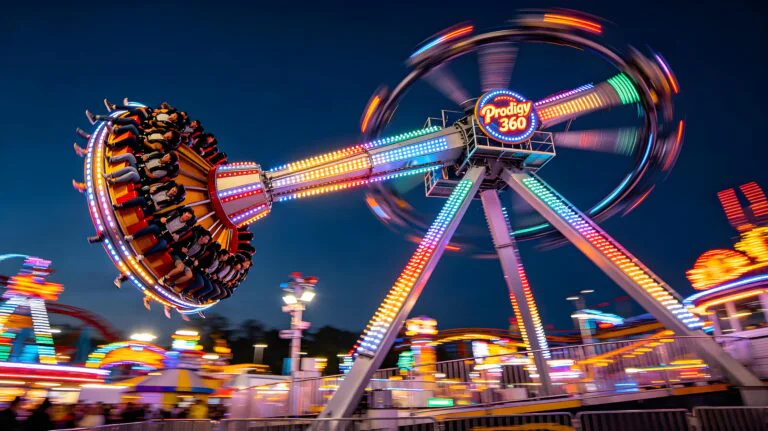
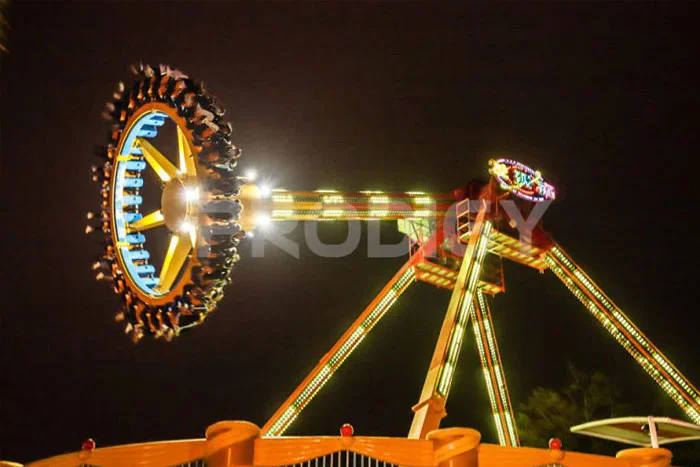
A 360 Big Pendulum Ride is one of the most exciting and visually impressive attractions in modern amusement parks, theme parks, carnivals, and entertainment centers. With its giant swinging arm, full 360-degree rotations, and high-speed operation, this thrill ride attracts thousands of visitors every year.
However, maintaining peak performance and ensuring passenger safety requires a comprehensive maintenance program. Proper maintenance not only extends the ride’s service life but also minimizes downtime, reduces repair costs, and ensures compliance with safety regulations.

This 360 Big Pendulum Ride Maintenance Guide provides a complete overview of inspection procedures, preventive maintenance practices, common troubleshooting methods, and long-term maintenance strategies.
Why Maintenance Is Critical for 360 Big Pendulum Rides
Due to their complex mechanical systems and intense operating conditions, pendulum rides experience significant stress during daily operation.
Regular maintenance helps:
- Ensure passenger safety
- Prevent unexpected breakdowns
- Reduce operating costs
- Extend equipment lifespan
- Improve ride reliability
- Maintain regulatory compliance
A well-maintained ride can operate efficiently for many years while delivering a consistent guest experience.
Key Components Requiring Regular Maintenance
Understanding the ride’s major systems helps operators develop effective maintenance schedules.
Structural Framework
The steel structure supports the entire ride and experiences constant dynamic loads.
Inspection areas include:
- Main support columns
- Welded joints
- Connection bolts
- Base plates
- Foundation anchors
Any signs of cracking, corrosion, or deformation should be addressed immediately.
Pendulum Arm Assembly
The pendulum arm experiences continuous motion and stress.
Maintenance checks should include:
- Structural integrity
- Fastener tightness
- Alignment verification
- Surface coating condition
Regular inspections help prevent long-term fatigue issues.
Passenger Gondola
The gondola is one of the most critical safety-related components.
Technicians should inspect:
- Seat structures
- Restraint systems
- Locking mechanisms
- Rotational assemblies
- Passenger flooring
Every restraint must operate correctly before opening the ride to the public.
Bearings and Rotating Components
Bearings are subject to heavy loads and continuous movement.
Maintenance tasks include:
- Lubrication
- Wear inspection
- Noise monitoring
- Vibration analysis
- Temperature checks
Failure to maintain bearings can lead to costly repairs and operational interruptions.
Drive System
The drive system powers the ride’s motion.
Key maintenance areas include:
- Motors
- Gearboxes
- Couplings
- Hydraulic components (if applicable)
- Electrical connections
Regular servicing ensures smooth and efficient operation.
Daily Maintenance Checklist
Daily inspections should be completed before the ride opens.
Visual Inspection
Check for:
- Loose bolts
- Damaged components
- Fluid leaks
- Unusual wear
- Corrosion
Safety System Inspection
Verify:
- Restraint operation
- Emergency stop functionality
- Safety interlocks
- Warning systems
Operational Test Run
Before passengers board:
- Run a complete test cycle
- Listen for abnormal noises
- Observe ride movement
- Confirm proper control system operation
Daily inspections help identify potential issues before they become serious problems.
Weekly Maintenance Procedures
Weekly inspections should be more detailed than daily checks.
Lubrication Program
Apply manufacturer-approved lubricants to:
- Bearings
- Pivot points
- Rotating assemblies
- Mechanical joints
Proper lubrication reduces friction and component wear.
Electrical System Inspection
Inspect:
- Wiring connections
- Control cabinets
- Sensors
- Emergency systems
- Power distribution components
Electrical faults should be corrected immediately.
Monthly Maintenance Requirements
Monthly maintenance focuses on system performance and wear analysis.
Structural Inspection
Evaluate:
- Weld quality
- Bolt torque values
- Surface coatings
- Structural alignment
Mechanical Component Evaluation
Check:
- Gearbox condition
- Motor performance
- Bearing wear
- Rotational smoothness
Document all findings for future reference.
Quarterly Maintenance Procedures
Quarterly maintenance involves deeper inspections and preventive servicing.
Drive System Service
Tasks may include:
- Gearbox oil replacement
- Motor inspections
- Coupling alignment checks
- Performance testing
Hydraulic System Inspection
For hydraulic-equipped models:
- Check hoses
- Inspect seals
- Monitor fluid condition
- Test pressure levels
These inspections help maintain system reliability.
Annual Maintenance and Major Inspection
Annual maintenance is one of the most important service intervals.
Comprehensive Structural Review
Inspect:
- Steel framework
- Critical welds
- Load-bearing components
- Foundation integrity
Non-destructive testing methods may be used to identify hidden defects.
Safety Certification Inspection
Depending on local regulations, rides may require:
- Third-party inspections
- Load testing
- Operational verification
- Safety certification renewal
Compliance helps ensure safe public operation.
Common Maintenance Issues
Bearing Wear
Symptoms include:
- Excessive noise
- Increased vibration
- Higher operating temperatures
Regular lubrication and inspection can prevent premature failure.
Loose Fasteners
Continuous motion can gradually loosen bolts and connections.
Routine torque checks help maintain structural stability.
Electrical Faults
Common issues include:
- Sensor failures
- Wiring damage
- Control system errors
Preventive inspections help minimize electrical problems.
Corrosion
Outdoor installations may experience corrosion due to:
- Humidity
- Rain
- Salt exposure
- Temperature fluctuations
Protective coatings should be maintained regularly.
Importance of Maintenance Documentation
Maintaining accurate service records provides several benefits:
- Regulatory compliance
- Warranty support
- Trend analysis
- Maintenance scheduling
- Improved troubleshooting
Documentation should include:
- Inspection reports
- Repair records
- Parts replacements
- Service intervals
A detailed maintenance history supports long-term reliability.
Staff Training and Maintenance Safety
Maintenance personnel should receive proper training on:
- Ride systems
- Safety procedures
- Lockout/tagout protocols
- Emergency response procedures
Qualified technicians are essential for maintaining operational safety.
Using Smart Maintenance Technology
Many modern pendulum rides now incorporate advanced monitoring systems.
Smart Maintenance Features
- Real-time diagnostics
- Sensor-based monitoring
- Predictive maintenance alerts
- Remote system analysis
These technologies help operators detect issues before they cause downtime.
Choosing a Manufacturer with Strong After-Sales Support
A reliable manufacturer can significantly simplify maintenance operations.
Look for suppliers that provide:
- Technical assistance
- Spare parts availability
- Maintenance manuals
- Operator training
- Long-term service support
Manufacturers such as Prodigy offer comprehensive after-sales support designed to help operators maximize ride uptime and performance.
Best Practices for Long-Term Ride Reliability
To maximize the lifespan of a 360 Big Pendulum Ride:
- Follow the manufacturer’s maintenance schedule
- Conduct daily inspections
- Maintain detailed service records
- Replace worn components promptly
- Train maintenance personnel regularly
- Use genuine replacement parts
These practices reduce operating costs and improve overall safety.
Conclusion
A comprehensive 360 Big Pendulum Ride maintenance program is essential for ensuring safety, reliability, and profitability. From daily inspections and lubrication schedules to annual structural evaluations and predictive maintenance technologies, every aspect of maintenance contributes to successful long-term operation.
By following manufacturer recommendations, investing in preventive maintenance, and partnering with a supplier that offers strong after-sales support, operators can protect their investment and provide guests with a safe, exciting, and dependable ride experience for many years to come.