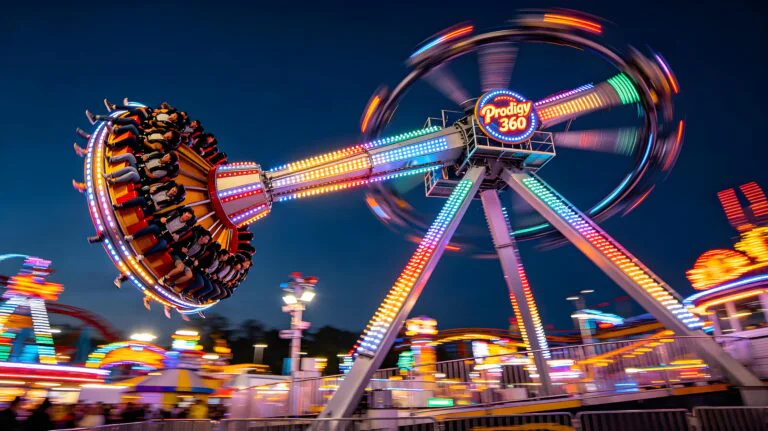
Understanding the Investment Potential of High-Thrill 360 Amusement Rides
For amusement park operators, carnival owners, and entertainment investors, the question of return on investment (ROI) is always top of mind when considering new attractions. Among high-thrill rides, 360 amusement rides have proven to be both crowd-pleasers and revenue generators.
What Makes a 360 Amusement Ride Profitable?
360 amusement rides combine adrenaline-pumping thrill with high visual impact, making them popular attractions. Their profitability comes from several factors:
1. High Rider Capacity
Many 360 rides can accommodate 12–36 riders per cycle, allowing for:
- Maximum ticket sales per hour
- Efficient ride throughput
- Reduced waiting times, improving guest satisfaction
Higher capacity directly translates into increased revenue potential, particularly during peak operating periods.
2. Repeat Visitor Attraction
Thrill rides encourage repeat visits, especially for young adults and teenagers seeking excitement. A signature 360 ride can become a must-visit attraction, boosting attendance and revenue over time.
3. Marketing and Branding Advantages
The visual impact of a 360 ride naturally draws attention, making it a marketing asset:
- Social media sharing by visitors
- Video content for promotions
- Highlighted attraction in advertisements
These organic marketing benefits enhance ROI without increasing operational costs.
4. Customization Options
Prodigy Rides offers tailored 360 rides that include:
- Custom ride theming and paintwork
- LED lighting and audio systems
- Branded graphics
- Themed panels and special effects
Unique attractions increase perceived value, justify premium ticket pricing, and attract higher attendance.
Estimating 360 Amusement Ride Revenue
Revenue is primarily generated from ticket sales. Key factors affecting earnings include:
- Ticket Price per Ride: Varies depending on location, audience, and ride intensity.
- Riders per Cycle: High-capacity rides maximize per-hour revenue.
- Cycle Time: Efficient ride operation reduces downtime between rides.
- Operational Hours: Extended hours increase daily earnings, particularly during peak seasons.
For example, a medium-sized 360 ride with 24 seats, operating 10 hours per day at a $5 ticket price, completing 10 cycles per hour, could generate:
24 riders × $5 × 10 cycles × 10 hours = $12,000 per day
Even after accounting for maintenance and operational costs, such rides can achieve strong annual ROI.
Cost Considerations and Profit Analysis
While revenue potential is high, ROI also depends on initial investment and ongoing costs.
Initial Investment
Typical 360 ride costs include:
| Ride Type | Price Range |
|---|---|
| Small 360 Ride | $50,000 – $120,000 |
| Medium 360 Ride | $120,000 – $350,000 |
| Large 360 Pendulum Ride | $350,000 – $1,000,000+ |
| Fully Customized Ride | Custom Quotation |
Operating Costs
- Staff wages and training
- Maintenance and repairs
- Electricity and utilities
- Insurance
- Spare parts
Profit Analysis
After deducting operating costs, investors often find:
- Medium rides can break even within 1–3 years
- Large, high-capacity rides can achieve ROI in under 2 years in high-traffic parks
- Custom-themed rides may command higher ticket prices, accelerating ROI
High-quality rides with proper maintenance tend to remain profitable for 10–15 years or more.
How Prodigy Rides Maximizes ROI for Investors
Prodigy Rides focuses on safety, reliability, and customization, ensuring that investors maximize returns:
Professional Manufacturing
- Advanced fabrication and precision engineering
- Premium materials for durability
- CE and ISO-certified quality
Expert Installation
- Site evaluation and foundation planning
- On-site assembly supervision
- Staff training and safety compliance
Customization for Revenue Optimization
- Themed designs that attract attention
- LED lighting and sound effects for engagement
- Branding options to enhance park identity
After-Sales Support
- Spare parts and maintenance guidance
- Technical troubleshooting
- Long-term service and inspection programs
These services ensure rides operate efficiently, reduce downtime, and maintain consistent revenue streams.
Tips to Increase 360 Ride Profitability
- Optimize Capacity: Match ride size to visitor volume to maximize throughput.
- Implement Marketing Strategies: Use social media, events, and promotions to boost attendance.
- Schedule Maintenance Strategically: Prevent unexpected downtime that can reduce revenue.
- Consider Theming and Customization: Unique rides can command higher ticket prices and attract more visitors.
- Track Performance Metrics: Monitor daily cycles, ticket sales, and operational costs to improve ROI.
Conclusion
A 360 amusement ride can be a highly profitable investment when designed, installed, and operated effectively. With high capacity, repeat visitor appeal, marketing potential, and customizable features, these rides provide strong ROI and long-term value for amusement parks, carnivals, and entertainment venues.
By choosing a trusted manufacturer like Prodigy Rides, investors ensure safety, reliability, and optimal revenue performance. From production to installation and ongoing support, Prodigy Rides helps maximize your investment potential and deliver unforgettable guest experiences.