


Amusement parks are becoming more inclusive than ever before. Today, many parks design attractions specifically for children with developmental issues, including autism spectrum disorder (ASD), ADHD, sensory processing challenges, and other cognitive or behavioral conditions. These rides focus on safety, comfort, sensory balance, and predictable movement, helping children enjoy entertainment without becoming overwhelmed.
Parents increasingly search for sensory-friendly amusement park experiences because they want children of all abilities to enjoy family outings together. As a result, accessible amusement rides have become one of the fastest-growing trends in the global family entertainment industry.
Why Inclusive Amusement Park Rides Matter
Traditional thrill rides can sometimes be difficult for children with developmental differences. Loud noises, flashing lights, sudden drops, long wait times, and crowded environments may trigger stress or sensory overload.
Inclusive rides are designed to reduce these challenges by offering:
- Gentle motion
- Predictable ride patterns
- Lower noise levels
- Comfortable seating
- Shorter ride durations
- Sensory-friendly environments
- Easy caregiver access
- Clear visual instructions
These features help children feel secure while still experiencing fun, excitement, and social interaction.
Most Popular Amusement Park Rides for Children With Developmental Issues
1. Gentle Carousel Rides
6
Carousels remain one of the most popular rides for children with developmental issues because they provide smooth, repetitive motion without sudden surprises.
Why Children Love Them
- Predictable circular movement
- Calm music
- Slow ride speed
- Bright but non-threatening visuals
- Ability to ride with parents or caregivers
Many modern carousels now include wheelchair-accessible platforms and quieter operating modes.
2. Mini Train Rides
Miniature train rides are highly recommended for children who benefit from calming visual stimulation and structured experiences.
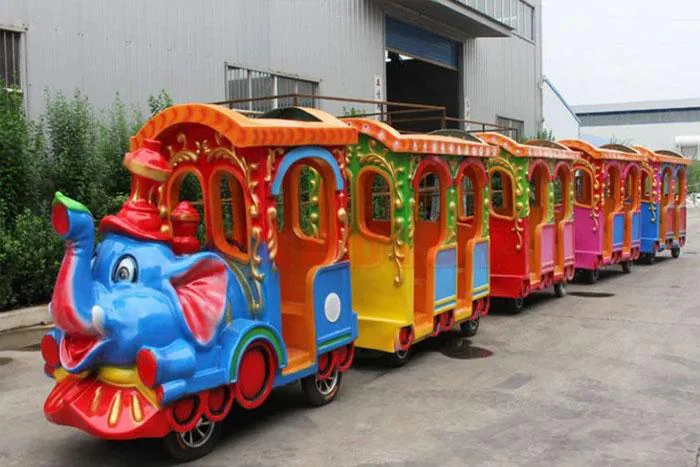
Why They’re Popular
Train rides offer:
- Smooth transportation-style movement
- Relaxing scenery
- Low sensory intensity
- Clear start-and-stop patterns
- Comfortable seating
For many children with autism or sensory sensitivities, train rides feel safe because they mimic real-world experiences.
3. Tea Cup Rides With Adjustable Speed
Traditional spinning rides can sometimes be overwhelming, but newer sensory-friendly tea cup rides allow families to control the spinning intensity.

Benefits
- Adjustable sensory input
- Parent-controlled experience
- Encourages interaction
- Builds confidence gradually
Some children enjoy vestibular stimulation, and controlled spinning can actually help regulate sensory needs when properly managed.
4. Interactive Water Play Rides
Water-based attractions are extremely popular because they provide calming tactile sensory experiences.
Why They Work Well
Water play attractions often include:
- Soft splashing effects
- Interactive controls
- Gentle movement
- Cooling sensory input
- Flexible participation levels
Many children with developmental issues respond positively to water because it creates soothing sensory feedback.
5. Slow-Moving Ferris Wheels
8
Ferris wheels designed for families and accessibility are becoming increasingly common.

Key Advantages
- Calm vertical movement
- Enclosed seating
- Minimal loud sounds
- Scenic visual stimulation
- Relaxed pace
The slow rotation helps reduce anxiety while still providing excitement and a sense of adventure.
6. Indoor Sensory Adventure Attractions

Indoor sensory attractions combine interactive lights, textures, sounds, and gentle movement in controlled environments.
Why They’re Growing in Popularity
These attractions help children:
- Explore safely
- Develop motor skills
- Engage socially
- Control their sensory experience
- Build confidence independently
Many parks now include quiet rooms nearby for sensory breaks.
Why Are These Rides So Popular?
1. Growing Awareness of Inclusive Entertainment
Families today actively seek attractions that welcome children of all abilities. Inclusive rides allow everyone to participate together instead of separating children based on ability level.
This creates stronger family experiences and encourages repeat visits.
2. Sensory-Friendly Design Improves Comfort
Children with developmental differences often thrive in environments that feel predictable and manageable.
Popular ride features include:
- Soft lighting
- Reduced noise
- Gentle transitions
- Clear instructions
- Consistent motion patterns
These elements reduce stress and increase enjoyment.
3. Increased Confidence for Children
When children successfully enjoy rides without fear or sensory overload, they often gain confidence in social and recreational environments.
Positive ride experiences may help improve:
- Emotional regulation
- Social interaction
- Communication
- Independence
- Adaptability
4. Parents Feel More Relaxed
Parents are more likely to revisit parks where they know their child feels safe and accepted.
Many inclusive amusement parks now offer:
- Ride accessibility guides
- Staff sensory training
- Quiet zones
- Disability access passes
- Flexible queue systems
These improvements significantly reduce stress for families.
Features of the Best Sensory-Friendly Amusement Rides
The most successful rides for children with developmental issues usually include:
| Feature | Benefit |
|---|---|
| Gentle movement | Prevents overstimulation |
| Predictable motion | Reduces anxiety |
| Soft sound levels | Supports sensory regulation |
| Family seating | Increases emotional security |
| Visual clarity | Helps children understand ride expectations |
| Easy boarding | Improves accessibility |
| Short ride cycles | Prevents fatigue and stress |
How Amusement Parks Are Becoming More Inclusive
Many major parks worldwide now prioritize accessibility and sensory inclusion.
Some parks provide:
- Autism accessibility programs
- Sensory maps
- Quiet waiting areas
- Staff trained in developmental support
- Ride accessibility ratings
- Noise-reduction accommodations
The industry increasingly recognizes that inclusive design benefits all visitors, not just children with developmental challenges.
Tips for Parents Visiting Amusement Parks
Prepare Before Arriving
Review ride guides and sensory information online before the trip.
Visit During Off-Peak Hours
Smaller crowds can help reduce sensory overload.
Bring Comfort Items
Noise-canceling headphones, fidget toys, or familiar objects may help children stay comfortable.
Take Frequent Breaks
Rest periods are important for emotional regulation and energy management.
Start With Gentle Attractions
Beginning with calm rides helps children build confidence gradually.
Frequently Asked Questions (FAQs)
What are the best amusement park rides for autistic children?
Gentle rides such as carousels, miniature trains, Ferris wheels, and sensory play attractions are often ideal because they provide predictable movement and lower sensory stimulation.
Are there sensory-friendly amusement parks?
Yes. Many modern amusement parks now offer autism-friendly programs, quiet rooms, accessibility passes, and sensory-sensitive attractions.
Why do children with developmental issues enjoy gentle rides?
Gentle rides provide calming, predictable sensory input that feels safe and manageable, reducing anxiety and overstimulation.
Can amusement park rides help sensory development?
In some cases, controlled sensory experiences may support motor coordination, confidence, sensory regulation, and social engagement.
What features make a ride accessible for developmental disabilities?
Important features include low noise, smooth movement, visual clarity, easy boarding access, family seating, and predictable ride patterns.
Final Thoughts
Amusement parks are evolving to become more inclusive, welcoming, and accessible for children with developmental issues. Gentle carousels, train rides, sensory play attractions, and family-friendly Ferris wheels are especially popular because they create enjoyable experiences without overwhelming sensory input.
As awareness of neurodiversity grows, more parks are investing in accessible ride design, staff training, and sensory-friendly environments. These changes help ensure that every child—regardless of developmental differences—can experience the joy, excitement, and connection that amusement parks are meant to provide.


