

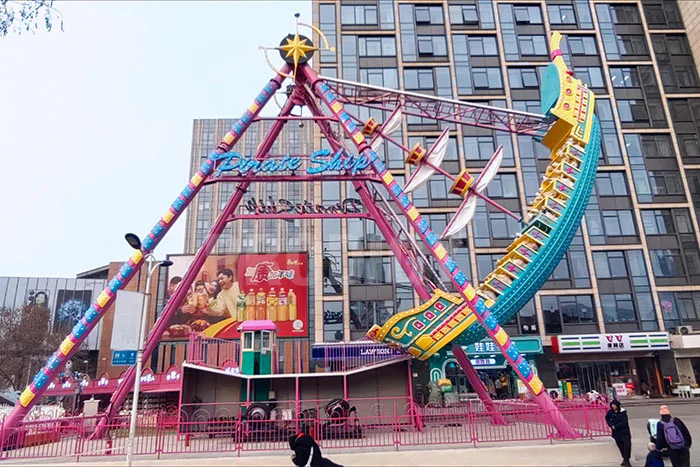
“For my past four years of owning the park, the carousel never took a day off. Now that’s what I call a money printer,” one operator told a supplier. That one sentence captures a fundamental truth about the amusement industry: the most profitable rides are not always the most spectacular. Often, they are the ones that run reliably day after day, welcoming guests of all ages and turning every hour of operation into reliable revenue.
The global amusement parks market was valued at 67.21billionin2025andisprojectedtoreach110.71 billion by 2032, with a compound annual growth rate of 7.39%. The theme park market alone is expected to grow from 69.02billionin2025to74.74 billion in 2026 at a CAGR of 8.3%. Yet industry-wide, net profit margins typically range from 10% to 25%. The difference between a park that barely breaks even and one that generates sustained high returns hinges on strategic ride selection, smart pricing models, diversified revenue streams, and operational discipline.
This comprehensive guide reveals proven strategies for maximizing revenue with commercial amusement rides—practical methods drawn from real-world data, operational best practices, and industry benchmarks that work in 2026 and beyond.
Part 1: Understanding the Core Revenue Model
Before exploring specific tactics, it is essential to grasp the fundamental economics of amusement ride revenue. Many park owners focus exclusively on ticket sales. But the most successful operators understand that admission is merely the entry point.
Direct vs. Indirect Revenue
Direct revenue comes from the ride itself—ticket sales, pay-per-ride fees, or the portion of admission allocated to ride access. Indirect revenue flows from everything else guests purchase once they are on your property: food and beverages, merchandise, games and arcades, photo packages, special event tickets, sponsorships, and parking.
The most successful parks master a simple equation: Lower the barrier to entry while maximizing spending once guests are inside. In globally top-performing parks, admission tickets typically account for only 50% to 60% of total revenue, with the remaining 40% to 50% generated through high-margin secondary sales. Top-tier parks generate 65–85 per guest combining admission, food and beverage, merchandise, and experiences, while underperforming parks sit below $40.
The European market provides clear evidence of this shift. Tickets were projected to represent the leading revenue source in 2026, accounting for 54% of the revenue share in Europe, supported by dynamic pricing strategies. That leaves nearly half of total revenue to be captured from non-ticket sources. Every ride placement, every queue design, and every operational decision should be evaluated by how it contributes to increasing the per-capita spend, not just the ride’s individual throughput.
Part 2: Ride Selection — Choosing High-ROI Equipment
The foundation of revenue maximization begins with choosing the right rides. Not all attractions generate equal returns. The most consistent money-makers share specific characteristics, and certain ride types consistently outperform others.
Characteristics of High-Profit Rides
Profitable rides usually share four traits: simple operation, low maintenance cost, high passenger turnover, and strong visual appeal. Simpler equipment means fewer moving parts to break, lower training requirements for staff, and less downtime. High passenger turnover means more tickets sold per hour. Strong visual appeal means more photo opportunities, more social media shares, and more spontaneous ridership.
High-Capacity Swing Rides
Swing rides—also known as flying chairs—consistently deliver strong profit margins. High-capacity rides capable of handling over 1,000 riders per hour can achieve profit margins of 60–70% after accounting for maintenance and staffing. Their broad appeal across age groups ensures steady demand throughout the day, and their nighttime LED illumination creates visual spectacle that draws crowds.
A 36-seat swing carousel, for instance, can generate approximately 540perdayinaverageconditions,translatingtoroughly13,500 monthly over 25 operating days and over 135,000annuallyacrossa10−monthseason[reference:8].Withpurchasepricesinthe60,000–$150,000 range for mid-size carousels, ROI is typically achieved within 12–24 months.
Bumper Cars — Interactive, Consistent, and Profitable
Bumper cars occupy a unique space: they attract both children and adults, offer strong repeat play value, and generate stable income with moderate operational complexity. They are also among the most accessible high-demand rides for operators with limited starting budgets.
In 2026, interactive rides like laser battle bumper cars command premium ticket prices, significantly driving up Family Entertainment Center profitability. While generic retail businesses aim for 10–20% net margins, well-run amusement attractions often target 30–45% operating margins.
When choosing between power systems for bumper cars, battery-powered models offer installation flexibility and lower upfront infrastructure costs—ideal for indoor FECs and malls. Floor-grid systems, while requiring higher initial investment, eliminate charging downtime and often deliver stronger long-term profitability for high-traffic permanent parks. A complete 10-car battery setup is often well under $50,000, with breakeven reached in year one.
Alpine Coasters — Low Maintenance, Extended Lifespan
Compared to traditional large-scale rides, alpine coasters have lower construction and maintenance costs combined with high durability. Their design lifespan extends up to 15 years, and operational maintenance costs remain extremely low, making them particularly attractive for parks with hilly or forested terrain where traditional coasters would be prohibitively expensive to build.
The Total Cost of Ownership Reality
The purchase price is only the beginning. Smart operators calculate Total Cost of Ownership (TCO) over 10–15 years. A 60,000ridewithhighenergyconsumptionmaycostmoreoveradecadethana100,000 ride with efficient components. Budget 5–8% of the purchase price annually for preventive maintenance covering motors, sensors, belts, and structural inspections.
The most effective way to lower maintenance operational expenditure is to source equipment directly from verified manufacturers who use industrial-grade components—3kW brushless motors, top-drive transmissions, and multi-layer FRP—rather than cheaper alternatives that fail prematurely.
Part 3: Maximizing Throughput and Reducing Downtime
A ride that is not operating generates zero revenue. Every minute of downtime is a direct loss. Maximizing revenue requires relentless focus on operational efficiency.
Understanding Theoretical Hourly Ride Capacity (THRC)
Every ride has a theoretical maximum capacity—the number of riders it can process per hour under ideal conditions. Achieving a high percentage of that theoretical capacity requires efficient loading procedures, well-trained staff, and minimal cycle interruptions.
For a major coaster in a theme park, aim for 1,200+ riders per hour. For a medium Ferris wheel or carousel, 400–800 riders per hour is excellent. For a family FEC, 200–400 riders per popular flat ride per hour is a healthy benchmark.
Optimizing Load and Unload Processes
Capacity improvements are a critical factor in attraction design, particularly as parks seek to optimize queue times and maximize operational efficiency. Simple operational changes can significantly boost throughput:
- Dual loading platforms allow one train to unload while another loads simultaneously
- Separate unload zones prevent passengers leaving from blocking those entering
- Pre-boarding height checks eliminate turnaround at the ride platform
- Countdown announcements create urgency and reduce loading hesitation
- Efficient restraint systems that can be checked by a single staff member rather than multiple points
Even modest improvements in cycle time compound dramatically. An extra 30 seconds saved per cycle across 100 daily cycles with a 24-passenger ride means an additional 20 operational minutes and 24 extra riders per day. Over a season, that translates to thousands of additional revenue-generating rides.
Preventive Maintenance as Revenue Protection
Downtime is not merely an inconvenience—it is lost revenue. Each hour a ride stands idle represents ticket revenue that cannot be recovered. Preventive maintenance is not an expense; it is revenue protection. Predictive maintenance schedules based on actual usage data rather than calendar intervals reflect sophisticated operational strategies in 2026.
Family Entertainment Centers are leveraging software solutions to simplify ticketing, point-of-sale processes, memberships, and bookings—enabling operators to track ride utilization patterns and schedule maintenance during naturally low-demand periods rather than peak hours.
Part 4: Diversifying Revenue — Beyond the Ticket Booth
The most dramatic revenue gains come from expanding what guests spend beyond the ride itself. A visitor paying $5 for a single ride generates five dollars. But that same visitor, when offered the right food and beverage options, merchandise, photo opportunities, and premium experiences, can generate three to four times that amount.
Food and Beverage Placement
Hungry guests spend money. Strategic placement of food and beverage locations adjacent to high-traffic ride exits capitalizes on the natural human response to seek refreshment after excitement. Conversely, placing F&B outlets near kiddie zones captures parents supervising young children—a captive audience with time on their hands.
While cost data varies by region, industry trends show increasing focus on guest spending within the park. At Six Flags, in-park spending has been fueled by increased outlays on food and beverages, merchandise, and add-on offerings—demonstrating that when parks prioritize secondary revenue streams, guests respond.
Merchandise and Photo Sales
Themed merchandise—shirts, hats, plush toys, stickers—turns ride experiences into lasting mementos. Photo packages, particularly for thrill rides that capture genuine emotional reactions, generate per-purchase revenue up to 20–30 with virtually zero marginal cost per additional transaction.
At Disney Experiences, which includes theme parks, cruise lines, and consumer products, merchandise alone generated $1.3 billion in Q1 2026, demonstrating the vast potential of well-executed merchandise strategies.
In small FECs, prize and redemption kiosks have become increasingly important revenue drivers. They build excitement, extend guest dwell time, and create a tangible reward loop that encourages repeat visits.
Special Events and Seasonal Programming
Extending the operating calendar beyond peak summer months turns underutilized assets into year-round revenue generators. Halloween events, Christmas markets, spring break promotions, and summer night operations each capitalize on a distinct season.
Offering early entry for pass holders, off-peak day promotions, and nighttime access can help balance guest loads across different time periods, maximizing revenue from the same physical infrastructure.
Part 5: Smart Pricing Models for 2026
Pricing is no longer a static accounting mechanism—it is a strategic tool that shapes visitor flow, satisfaction, and long-term financial outcomes. The industry is shifting toward dynamic pricing systems that respond to real-time demand and individual visitor profiles.
Dynamic Pricing
Legoland‘s strategic shift toward dynamic pricing adjusts admission charges based on real-time demand. During peak times like sunny summer weekends, prices surge to control park capacity and enhance guest experience by reducing overcrowding. Conversely, prices drop during low-demand periods to attract price-sensitive visitors.
This model optimizes revenue yield by catering to price-insensitive customers during peak periods while engaging dormant, price-sensitive customers during low-demand periods. Data-driven strategies—including dynamic pricing, digital storefronts, and AI for personalized experiences—are redefining how parks drive revenue.
Membership and Pass Programs
Season passes and membership subscriptions transform occasional visitors into committed stakeholders. Six Flags reorganized its 2026 regional pass strategy, allowing pass holders access to multiple parks within their region rather than being locked to a single location. At select parks, gold season passes were offered at just $79—less than the combined cost of two single-day admissions, creating irresistible value for frequent visitors.
Merlin Entertainments, across its 141 global attractions, has demonstrated that increasing guest satisfaction through pass programs drives revenue growth. The chain achieved 21 billion in revenue, serving 62 million visitors, with satisfaction reaching historic highs.
Value-Added Add-Ons and Upgrades
Revenue maximization often involves offering guests choices at different price points. Queue-skip passes, premium viewing areas for nighttime spectaculars, exclusive ride access during special events, and locker rentals—all generate pure incremental revenue.
The key principle is low-to-no marginal cost with high perceived value. Providing guests with the option to pay more for a superior experience works because research shows 63% of guests would pay more for superior experiences, yet most venues struggle to deliver the seamless journey modern visitors expect.
Part 6: Leveraging Technology for Revenue Optimization
Technology transforms guest behavior into actionable data—and data drives revenue decisions.
RFID and Real-Time Analytics
Modern top-tier theme parks are shifting toward dynamic operational strategies based on RFID data, treating each RFID wristband as a mobile data sensor. Queue times for popular attractions can be tracked in real time, allowing operators to adjust pricing for premium passes, dispatch additional vehicles, or redirect staff resources to bottlenecked areas.
RFID also powers cashless payments at food and beverage outlets and merchandise stores, removing friction from purchasing decisions. When paying is seamless, guests spend more.
Operational Integration
Venue operational enhancement integrates play data with operating metrics. Park management systems can monitor real-time queue lengths, predict wait times, and recommend which rides to prioritize. When a popular ride suddenly experiences a 45-minute queue, real-time notifications can trigger the dispatch of additional ride vehicles or the activation of a secondary loading platform.
Interactive “Phygital” Technology
In 2026, the term “Phygital” (Physical + Digital) defines the market. Top-tier equipment integrates 4D motion technology and immersive storytelling elements to engage digital-native consumers. Interactive rides with scoring systems, leaderboards, and AR enhancements command premium pricing and encourage repeat rides—each guest wanting to “beat their high score” or “collect all the targets.”
For B2B buyers, this unique technology is the core competitiveness. In 2026, FECs that fail to offer interactivity risk losing Gen Alpha guests to competitors with screens, scoring, and gamified experiences.
Part 7: The Prodigy Advantage — Maximizing Your Ride Investment
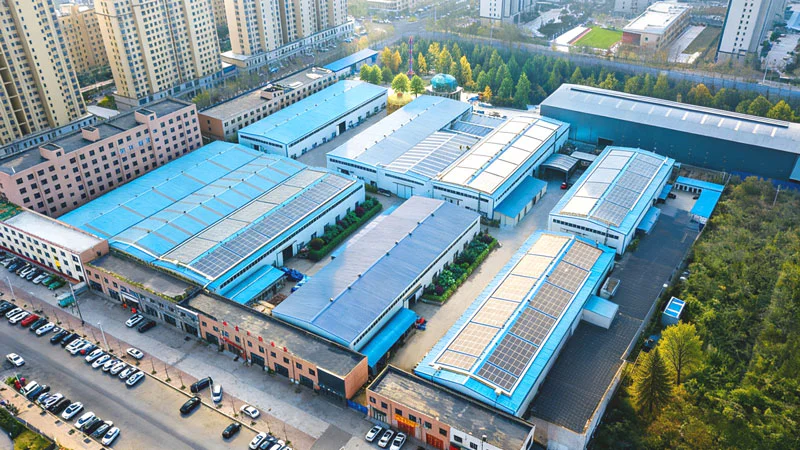
Prodigy Amusement Equipment Co., Ltd. has spent over two decades engineering rides specifically designed for revenue optimization—simple to operate, fuel-efficient, safe, and capable of running 10+ hours daily with minimal downtime. From its 55,000-square-meter manufacturing base and 3,000-square-meter showroom in Zhengzhou, Henan province—the global hub for amusement ride manufacturing—Prodigy offers direct factory pricing while maintaining rigorous quality control.
Key advantages that maximize your ROI:
- High-capacity designs engineered for 400–800+ riders per hour on family rides
- LED illumination systems that attract nighttime crowds and reduce energy costs
- Industrial-grade components that minimize maintenance downtime
- Turnkey delivery including installation supervision and staff training
- After-sales support with guaranteed spare parts availability for 5+ years
- Comprehensive certifications including CE, ASTM, EN 13814, and TÜV
Custom rides designed to your exact specifications ensure your primary attraction remains a visual landmark that draws consistent foot traffic. When combined with sound operational strategy, Prodigy equipment becomes the foundation of a profitable park—the reliable “money printer” that runs day after day, season after season.
Conclusion
Maximizing revenue with commercial amusement rides requires a systematic approach that integrates every lesson in this guide: choose the right mix of high-ROI rides, calculate Total Cost of Ownership before signing any contract, optimize throughput through better operations, diversify revenue through food and merchandise, implement smart dynamic pricing models, and leverage technology for data-driven decisions.
The global amusement market is growing—and with it, competition for guest attention intensifies. Parks that approach revenue optimization as an integrated strategy, rather than a collection of isolated tactics, will capture the largest share of growth. Parks that treat rides as standalone attractions, neglecting secondary revenue and operational efficiency, will struggle.
Your park’s rides are not just machines that spin and swing. With the right strategy, each one becomes a profit center—turning every operating hour into a new opportunity to generate sustainable, growing revenue.
Ready to maximize your park‘s revenue potential? Contact a Prodigy representative today for a no-obligation consultation on ride selection, customization, and revenue optimization strategies tailored to your specific venue and market conditions.


