

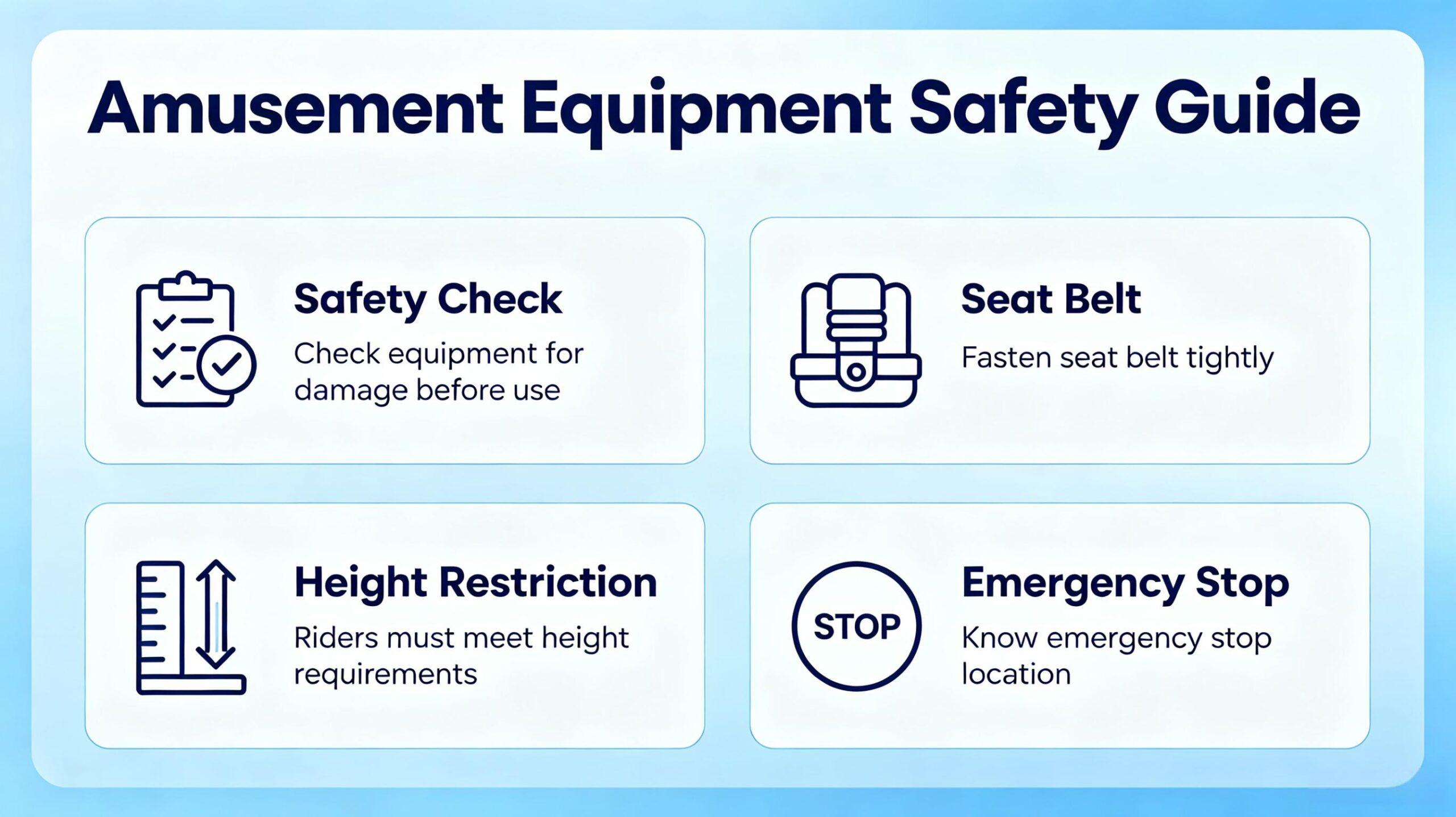
Understanding Carnival Ride Safety
Carnival rides are subject to strict safety regulations in many countries. In the United States, for example, rides are monitored by both state inspection agencies and organizations like the International Association of Amusement Parks and Attractions (IAAPA). These regulations are designed to minimize risk and ensure rides are mechanically sound.
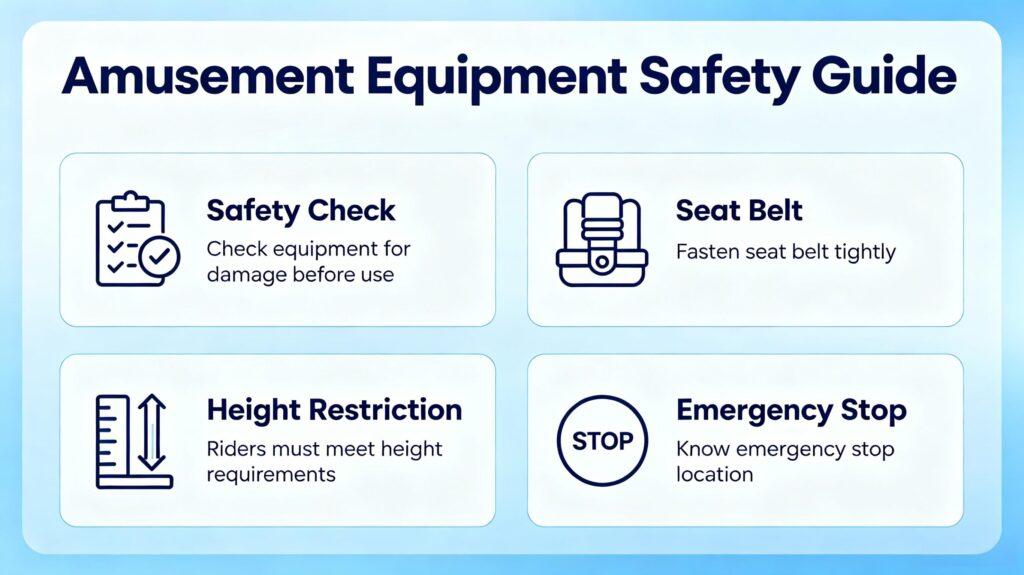
Key safety measures include:
- Daily inspections: Rides are checked before opening every day for mechanical issues.
- Certified operators: Ride operators are trained to handle emergencies and maintain ride safety.
- Safety restraints: Seat belts, harnesses, and lap bars are tested to prevent accidents.
While these measures reduce the likelihood of injury, no ride is entirely risk-free. Understanding the factors that contribute to safety can help you make informed decisions.
Common Risks Associated With Carnival Rides
Despite rigorous safety protocols, accidents can happen. Some of the most common risks include:
- Mechanical Failures: Worn-out parts, loose bolts, or hydraulic issues can cause malfunctions.
- Human Error: Operator mistakes, improper use of restraints, or ignoring weight limits can lead to accidents.
- Weather Conditions: High winds, rain, or lightning can make rides dangerous.
- Health Factors: People with certain medical conditions, such as heart problems or motion sickness, may be at higher risk.
According to the National Safety Council, injuries on carnival rides are rare but can occur, mostly due to improper rider behavior or failure to follow instructions.
How to Ensure Your Safety on Carnival Rides
Following these practical tips can help you enjoy carnival rides safely:
- Follow all posted rules: Pay attention to height, weight, and health restrictions.
- Use safety restraints correctly: Always buckle up and make sure harnesses are secured.
- Avoid rides in poor weather: Skip rides during rain, wind, or lightning storms.
- Supervise children: Ensure younger riders are accompanied and understand ride rules.
- Stay alert: Watch for warning signs like unusual noises or erratic ride movement.
Are Carnival Rides Safe for Everyone?
While carnival rides are generally safe for the average person, certain groups may need extra caution:
- Children: Always check height and age restrictions.
- Pregnant women: Avoid high-intensity rides or anything that jolts the body.
- Individuals with medical conditions: Consult a doctor before riding high-speed or intense attractions.
The Bottom Line
Carnival rides are designed with safety in mind, and incidents are relatively rare. Most rides operate without issue thanks to strict regulations, routine inspections, and certified operators. By following safety tips, paying attention to ride instructions, and using common sense, you can enjoy the thrill of carnival rides while minimizing risk.
Remember, the key to fun is safe enjoyment. So the next time you hear the laughter and screams from the fairground, you can ride with confidence—safely and securely.


