

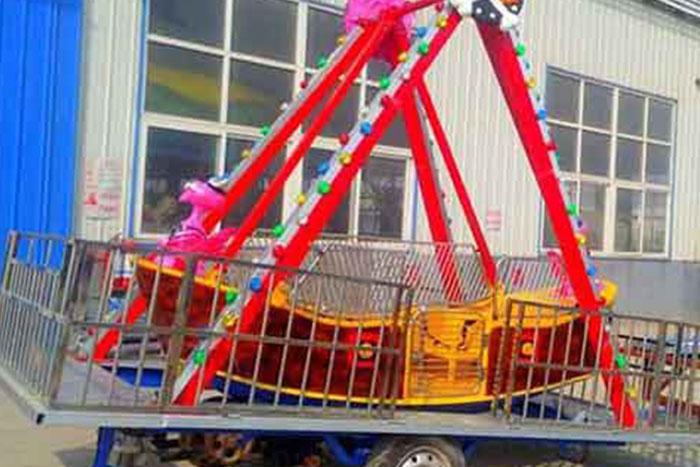
The amusement and entertainment industry is rapidly evolving, with operators increasingly seeking flexible, cost-effective, and profitable solutions. Commercial movable amusement equipment—also known as portable or trailer-mounted rides—is a game-changer for traveling carnivals, seasonal amusement parks, community events, and tourism attractions.
Investing in movable amusement rides allows operators to maximize revenue by attending multiple events, reduce infrastructure costs, and provide a wide variety of entertainment options. However, purchasing commercial amusement equipment requires careful planning to ensure safety, reliability, and long-term profitability.
Why Invest in Commercial Movable Amusement Equipment?
Commercial movable amusement equipment offers several advantages over traditional fixed attractions:
Key Benefits
- Portability: Easily transported between events and locations.
- Quick Setup and Dismantling: Reduces labor and operational downtime.
- Lower Infrastructure Costs: No need for permanent structures.
- High Revenue Potential: Maximize attendance at multiple events.
- Operational Flexibility: Adjust event schedules and locations as needed.
- Family and Crowd Appeal: Attract a wide demographic with versatile ride types.
These advantages make movable amusement equipment an ideal investment for entrepreneurs, carnival operators, and event organizers.
Types of Commercial Movable Amusement Equipment
Before making a purchase, operators should understand the types of portable rides available:
1. Trailer-Mounted Carnival Rides
These rides come pre-mounted on trailers for easy transportation. Popular examples include:
Trailer-mounted rides are ideal for operators who frequently travel between events.
2. Portable Family and Kiddie Rides
Family-oriented rides attract broad audiences, including children and parents:
- Mini Ferris Wheels
- Kiddie Train Rides
- Carousel Horses
- Swinging Family Rides
These rides provide consistent revenue opportunities and are essential for family-friendly events.
3. Thrill and Specialty Rides
Designed to excite teenagers and young adults:
- Miami Ride
- Flying UFO Ride
- Spinning Pendulum Attractions
High-intensity rides often serve as flagship attractions for festivals and large carnivals.
4. Multi-Attraction Portable Systems
Some manufacturers offer modular amusement setups, allowing multiple rides or attractions on a single transportable platform, ideal for high-density events.
Key Considerations When Buying Movable Amusement Equipment
Purchasing commercial amusement equipment requires careful evaluation to ensure safety, reliability, and profitability.
1. Manufacturer Reputation
Select a trusted supplier with proven experience in:
- International exports
- Safety certifications
- Product durability
- After-sales support
Reputable manufacturers often provide technical guidance, spare parts, and maintenance services.
2. Safety Compliance
Ensure rides comply with recognized safety standards, including:
- Structural stability
- Electrical safety
- Restraint systems
- Emergency stop mechanisms
- Operator control systems
Safety compliance reduces liability and protects passengers.
3. Build Quality and Materials
High-quality rides use:
- High-strength steel frames
- Corrosion-resistant coatings
- Professional welding and fabrication
- Durable mechanical components
Durable construction ensures long-term reliability, especially for frequently transported rides.
4. Transportation and Setup Efficiency
Consider logistics:
- Trailer size and towing requirements
- Hydraulic or mechanical deployment systems
- Time required for setup and dismantling
Efficient transportation minimizes labor costs and operational downtime.
5. Maintenance and Support
Reliable maintenance options are critical:
- Availability of spare parts
- Technical support from the manufacturer
- Clear maintenance documentation
- Warranty coverage
Proper maintenance ensures safe, uninterrupted operations.
6. Passenger Capacity and Market Demand
Select rides that match your target audience:
- Kiddie rides for family events
- Thrill rides for teenage and young adult visitors
- Versatile attractions for mixed audiences
Higher capacity rides generate more revenue per operational hour.
7. Total Cost of Ownership
Evaluate more than just the purchase price:
- Transportation expenses
- Maintenance costs
- Setup and labor requirements
- Potential revenue
A higher-quality ride often delivers better long-term profitability despite a higher upfront cost.
Tips for Finding the Best Commercial Movable Amusement Equipment
- Attend Trade Shows: See rides in action and meet suppliers.
- Request Demonstrations: Test ride mechanics and quality before buying.
- Read Customer Reviews: Learn from other operators’ experiences.
- Compare Multiple Suppliers: Assess features, warranties, and prices.
- Check After-Sales Service: Ensure prompt technical support availability.
These steps help operators make informed, profitable decisions.
Financing and Investment Options
Commercial amusement equipment is a significant investment. Options include:
- Lease-to-own programs
- Equipment financing
- Group purchasing for traveling carnivals
- Long-term rental agreements
Operators should analyze ROI, ticket pricing, and operational costs to plan for sustainable business growth.
Conclusion
Buying commercial movable amusement equipment is a strategic decision for traveling entertainment businesses, carnivals, festivals, and amusement operators. By prioritizing safety, reliability, portability, and audience appeal, operators can maximize revenue and create unforgettable experiences for visitors.
Whether investing in trailer-mounted thrill rides, family-friendly attractions, or portable UFO and pendulum rides, selecting high-quality amusement equipment from reputable manufacturers ensures long-term profitability, operational efficiency, and customer satisfaction.
For entrepreneurs and operators aiming to thrive in the dynamic amusement industry, commercial movable amusement equipment represents a flexible, profitable, and market-ready investment.


