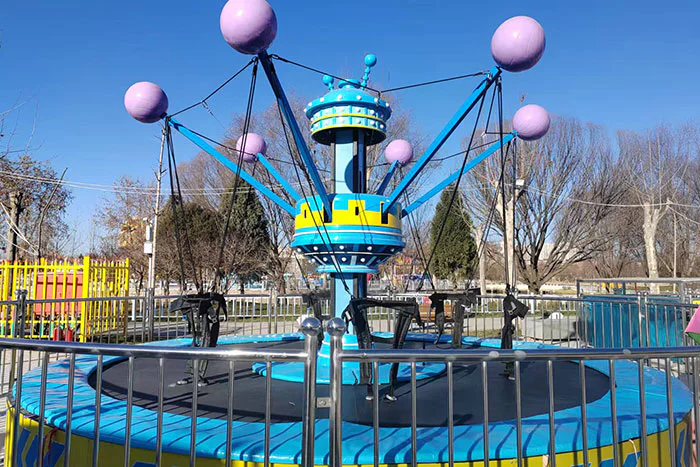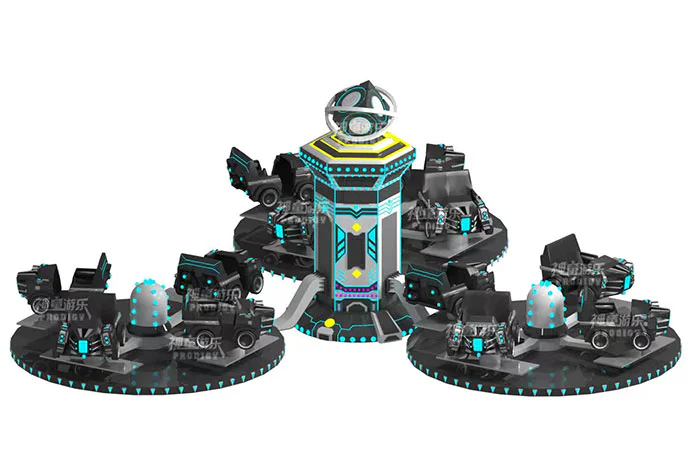
Antique carnival rides for sale have become increasingly popular among amusement park developers, resort owners, and private collectors. These vintage attractions offer a unique combination of nostalgia, artistic design, and commercial value, making them highly desirable in the global entertainment industry.
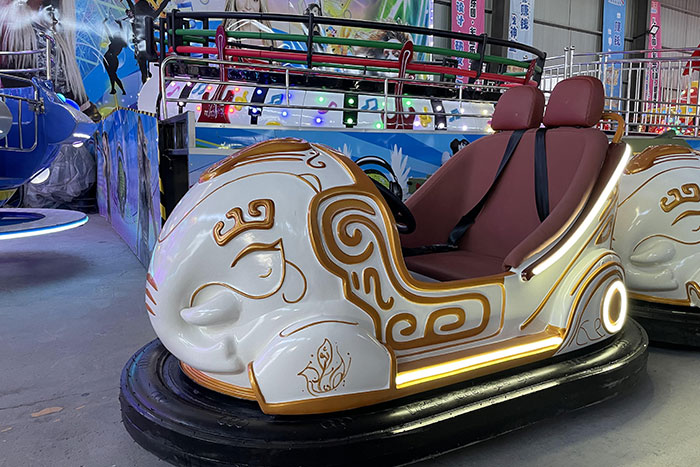
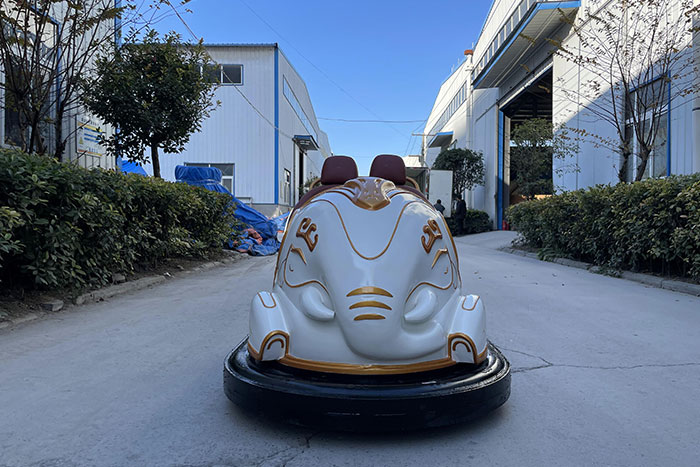
Whether you are planning to build a themed amusement park or invest in collectible rides, understanding how to evaluate and purchase antique carnival rides is essential for long-term success.
What Are Antique Carnival Rides?
Antique carnival rides refer to classic amusement attractions that were originally manufactured decades ago, typically before modern digital control systems became standard.
These rides are known for:
- Handcrafted mechanical engineering
- Vintage aesthetic design
- Steel, iron, or wooden construction
- Classic lighting systems
- Traditional amusement park operation style
Common examples include antique carousels, Ferris wheels, swing rides, train rides, and bumper cars.
Why Antique Carnival Rides Are in High Demand
The demand for antique carnival rides for sale continues to grow globally due to several key factors:
1. Strong Nostalgic Appeal
Visitors are drawn to the emotional connection and retro experience of classic amusement rides.
2. Unique Theme Park Identity
Antique rides help parks differentiate themselves from modern competitors.
3. Social Media Attraction
Vintage aesthetics are highly “Instagrammable,” increasing organic marketing exposure.
4. Long-Term Investment Value
Rare or well-restored rides can appreciate in value over time.
Where to Find Antique Carnival Rides for Sale
Finding authentic antique carnival rides requires sourcing from reliable channels.
1. Professional Ride Manufacturers and Restoration Companies
Many manufacturers now specialize in restoring or recreating antique-style rides with modern safety upgrades. These companies offer:
- Fully restored original rides
- Custom vintage-style replicas
- Engineering compliance upgrades
This is the safest option for commercial buyers.
2. Amusement Ride Auctions
Auction houses occasionally list antique rides from:
- Closed amusement parks
- Traveling carnivals
- Liquidated entertainment businesses
However, buyers must carefully inspect condition reports before purchasing.
3. Used Amusement Equipment Dealers
These dealers specialize in second-hand and antique amusement rides and often provide:
- Inspection services
- Transportation logistics
- Refurbishment packages
4. Online B2B Marketplaces
Global platforms connect buyers with international suppliers. While pricing can be competitive, quality verification is crucial.
5. Private Collectors and Museums
Some antique rides become available through museum upgrades or private sales, often offering rare historical pieces.
How Much Do Antique Carnival Rides Cost?
Pricing depends on multiple factors, including condition, rarity, and size.
Typical price ranges:
- Small rides (kiddie rides): $10,000 – $50,000
- Medium rides (swing rides, trains): $50,000 – $150,000
- Large attractions (Ferris wheels, carousels): $150,000 – $500,000+
Key pricing factors:
- Restoration level
- Mechanical condition
- Historical significance
- Shipping distance
- Installation requirements
How to Verify Authenticity Before Buying
When evaluating antique carnival rides for sale, authenticity is critical.
Check the following:
1. Original Manufacturer Records
Verify serial numbers and production documentation if available.
2. Structural Materials
Authentic antique rides typically use heavy-duty steel or handcrafted wood components.
3. Mechanical System Type
Older rides often rely on simpler mechanical systems rather than digital controllers.
4. Restoration History
Ask for detailed maintenance and refurbishment reports.
5. Visual Aging vs Damage
Natural patina is normal, but structural damage should be carefully assessed.
Restoration vs Original Antique Rides
Buyers must choose between original condition rides and restored versions.
Original Antique Rides
- Higher historical value
- Rare and collectible
- May require extensive maintenance
Restored Antique Rides
- Safer for public operation
- More reliable performance
- Better compliance with safety standards
For commercial amusement parks, restored rides are usually the preferred option.
Safety Standards and Compliance
Operating antique carnival rides requires strict safety compliance.
Key requirements include:
- Structural integrity inspection
- Electrical system modernization
- Operator training programs
- Local amusement ride regulations compliance
- Insurance approval
Safety upgrades are essential before public operation.
Best Use Cases for Antique Carnival Rides
Antique carnival rides are suitable for various commercial environments:
- Theme parks
- Family entertainment centers (FECs)
- Resorts and hotels
- Shopping malls
- Cultural festivals and events
- Private luxury estates
Investment Potential of Antique Carnival Rides
From an investment perspective, antique carnival rides offer multiple revenue opportunities:
- Ticket-based attraction income
- Event rental services
- Brand differentiation for parks
- Long-term asset appreciation
- Marketing and promotional value
Well-maintained vintage rides can become signature attractions that significantly increase visitor traffic.