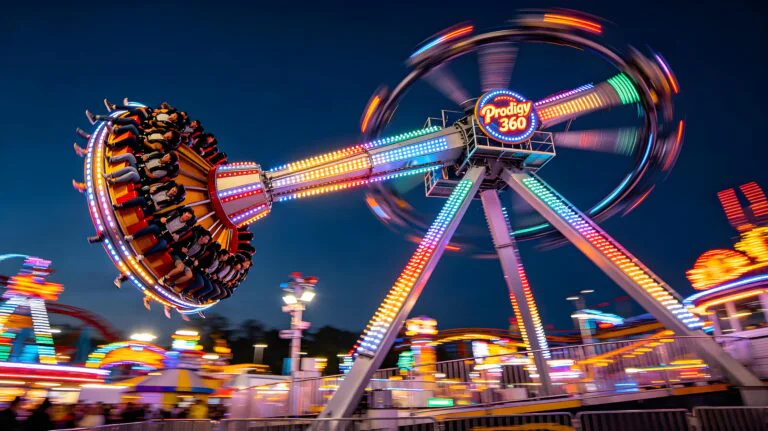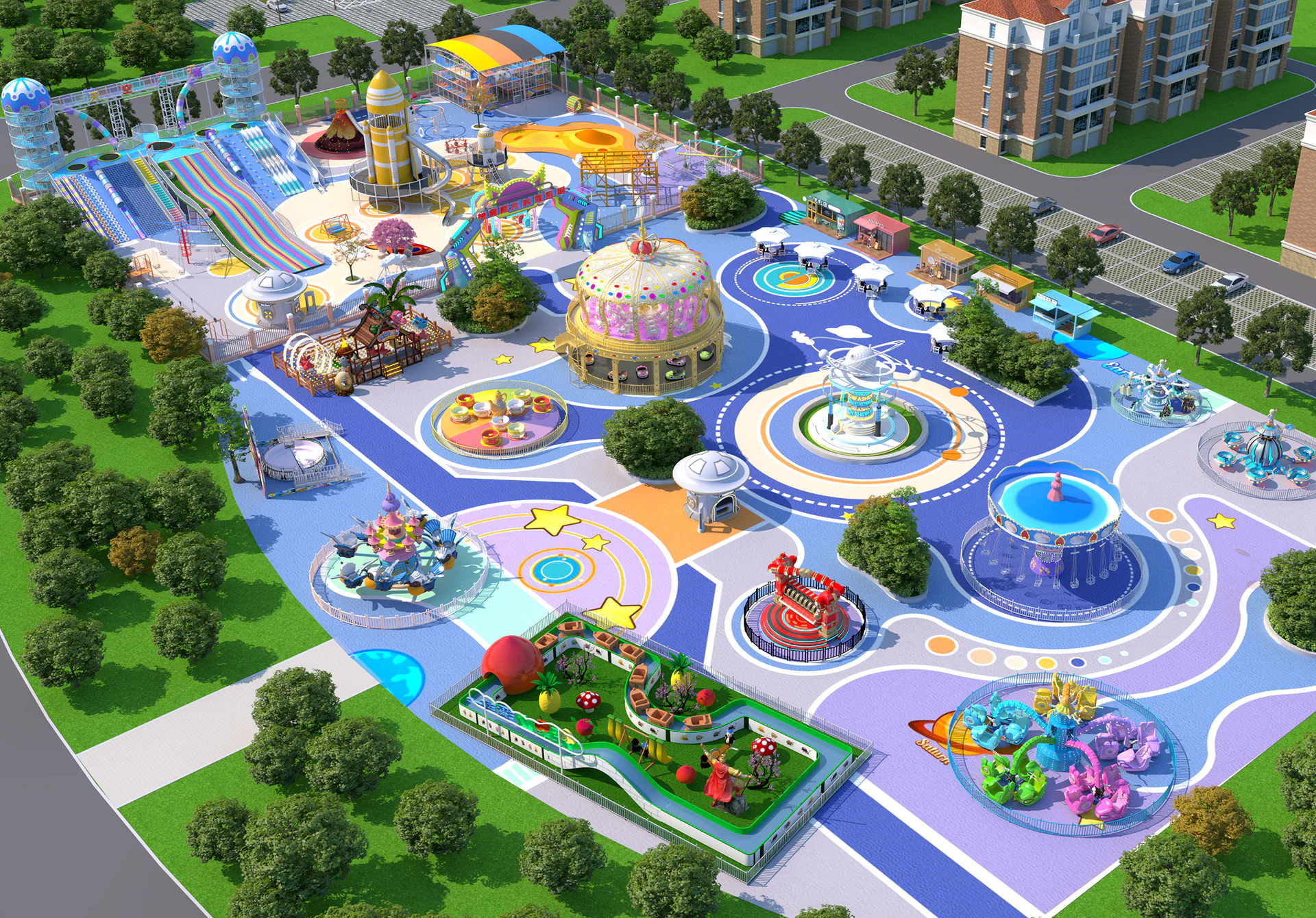
If you are in the market for a Prodigy roller coaster —whether for a commercial amusement park, a family entertainment center, a shopping mall, or even a private backyard—one of the first questions on your mind is likely: How much does a Prodigy roller coaster cost?
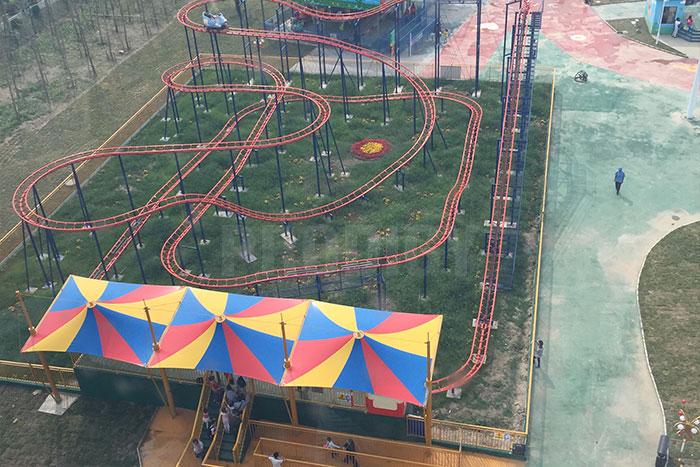
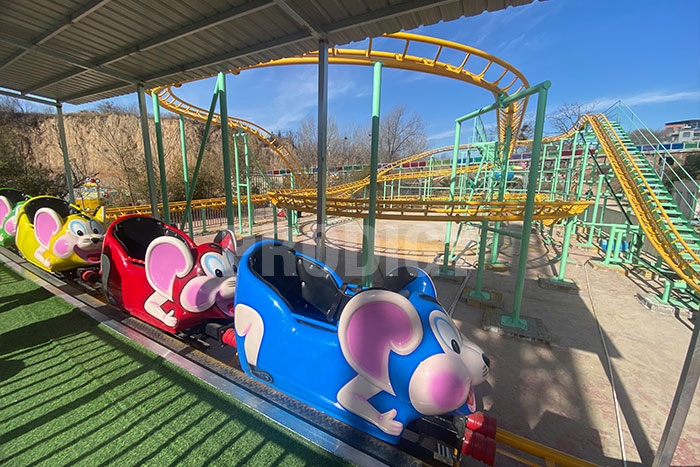
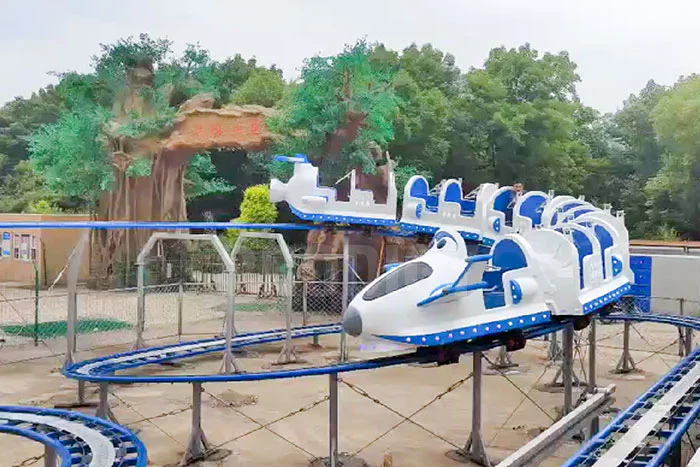
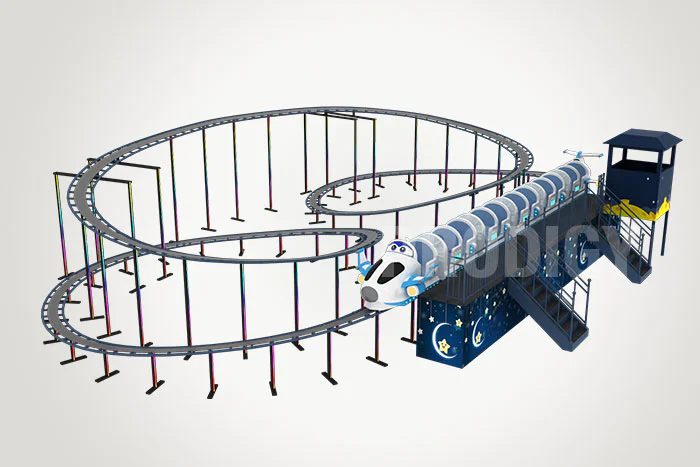
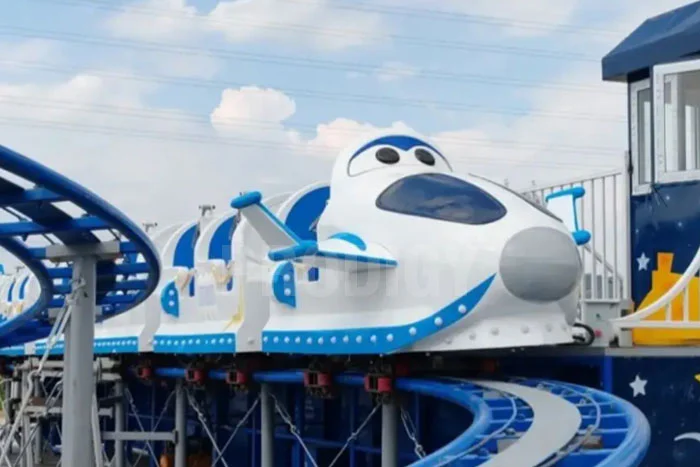
The short answer: a Prodigy mini roller coaster typically costs between USD 15,000 and USD 60,000, depending on the model, passenger capacity, track length, customization level, and additional features.
However, to make an informed purchasing decision, you need to understand the full spectrum of roller coaster pricing, the specific factors that influence Prodigy coaster costs, and all the associated expenses beyond the base price. This comprehensive guide breaks down everything you need to know before investing in a Prodigy roller coaster.
Understanding Prodigy Roller Coasters: Brand Overview
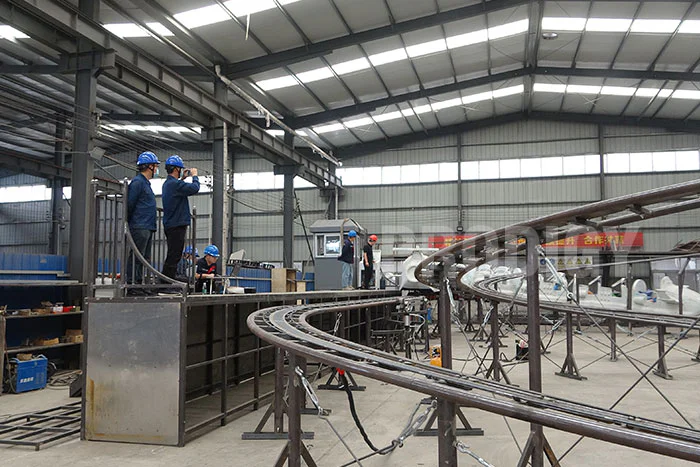
Zhengzhou Prodigy Amusement Equipment Co., Ltd. is a well‑established manufacturer based in Henan Province, China—a region that serves as a global hub for amusement equipment production, housing over 70% of major manufacturers. Prodigy specializes in the research, development, and production of amusement rides, including carousels, bumper cars, family rides, and roller coasters.
The company has earned a strong reputation in the industry, with a perfect 5.0 customer rating, 100% on‑time delivery, and a 75% reorder rate—indicators of high reliability and customer satisfaction. Prodigy’s mini roller coasters are built with durable materials such as FRP (fiberglass‑reinforced plastic), steel, and fiberglass, making them suitable for both indoor and outdoor installations.
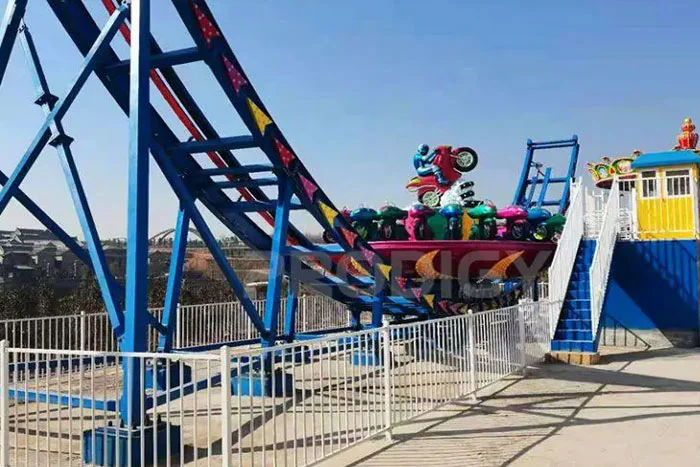


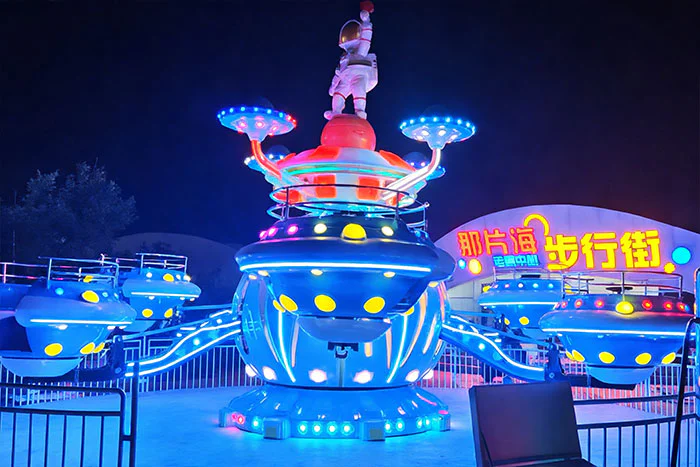
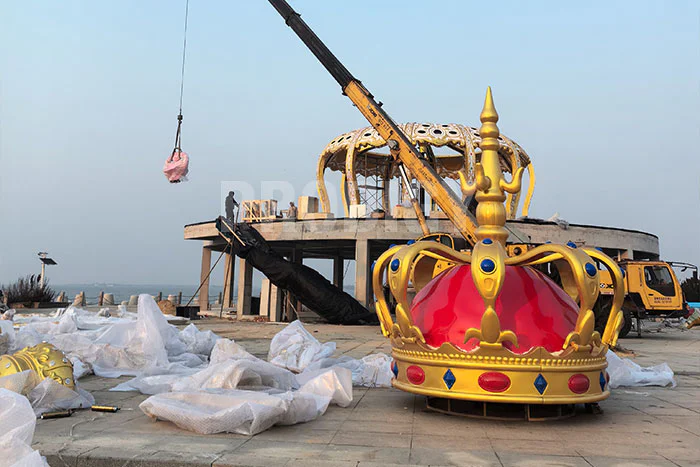
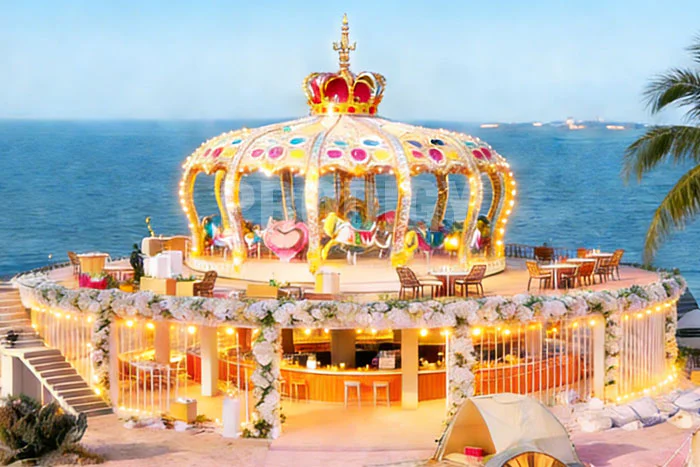

Prodigy offers multiple configurations of mini roller coasters, with features such as:
- Adjustable height and speed limits to accommodate different age groups
- Customizable theming options (colors, decals, interactive sound effects)
- Modular track layouts that can be adapted to fit various space constraints
- 380V power system for stable, smooth operation
Prodigy Mini Roller Coaster Price Range
Based on current market data for comparable mini roller coasters from reputable Chinese manufacturers, a Prodigy mini roller coaster typically falls within the range of USD 15,000 to USD 60,000.
This positions Prodigy coasters in the entry‑level to mid‑range segment of the market—an excellent balance between affordability and quality. For comparison, the broader small roller coaster market offers a wide price spectrum:
| Category | Price Range | Typical Features |
|---|---|---|
| Entry‑Level / Non‑Powered Mini Coasters | USD 1,000 – 15,000 | Human‑powered, pedal‑driven or gravity‑fed; simple structures; low speed; ideal for small playgrounds and temporary attractions |
| Entry‑Level Powered Mini Coasters (Prodigy Segment) | USD 15,000 – 20,000 | Electric drive system; compact footprint; designed for children and families; CE certified |
| Mid‑Range Family Mini Coasters (Prodigy Segment) | USD 20,000 – 60,000 | Longer track length; higher passenger capacity; customizable theming; suitable for commercial venues |
| Mainstream Family Roller Coasters | USD 60,000 – 150,000 | 150–250m track; 12–20 passenger capacity; electric drive system; popular choice for most investors |
| High‑Spec / Custom Mini Coasters | USD 200,000 – 450,000+ | 280–300m track; multiple drops and turns; deep customization; flagship attraction quality |
Prodigy’s pricing is competitive even by Chinese manufacturing standards. On average, bulk orders from Chinese amusement equipment suppliers are priced 15–25% below comparable Western or European manufacturers, without compromising structural integrity or safety compliance. This makes Prodigy an attractive option for budget‑conscious buyers seeking high‑quality rides.
It is important to note that Prodigy does not publicly list fixed prices on its website or general online platforms. Final pricing is determined on a custom quotation basis, taking into account your specific requirements. Expect a detailed quotation that includes the ride itself, possible customization work, and shipping arrangements.
Detailed Price Breakdown by Model Configuration
Prodigy’s mini roller coaster system is offered in multiple tiers, allowing buyers to select a model that fits both their budget and operational needs. Based on Prodigy’s product specifications, the following model tiers are available:
Base Model – Estimated USD 15,000 – 25,000
- Safety rating: Meets ISO 14971 (international standards)
- Max speed: Approximately 5 km/h
- Durability: Approximately 5 years of outdoor service life
- Customization: Limited adjustments (basic color and decal options)
- Best for: Small playgrounds, daycare centers, residential communities, and low‑traffic commercial settings
Advanced Model – Estimated USD 25,000 – 45,000
- Safety rating: Approximately 15% enhanced safety features beyond base standards
- Max speed: Approximately 7 km/h (about 40% faster than base model)
- Durability: Approximately 8 years outdoor service life
- Customization: Moderate options (choice of themes, some track layout modifications)
- Best for: Family entertainment centers (FECs), indoor amusement spaces, and shopping malls with moderate foot traffic
Pro Model – Estimated USD 45,000 – 60,000+
- Safety rating: Industry‑leading, approximately 30% enhanced over base standards
- Max speed: Approximately 10 km/h (20% faster than advanced model)
- Durability: Approximately 10 years outdoor service life
- Customization: Full customization options (complete track layout design, custom theming, interactive sound effects, LED lighting)
- Best for: High‑traffic commercial parks, hotels and resorts looking for a signature family attraction, and buyers seeking a premium mini coaster experience
These estimates are based on Prodigy’s publicly available model tiers and current market pricing for comparable equipment. For an exact quotation, you will need to contact Prodigy directly with your specific requirements.
Factors That Influence Prodigy Roller Coaster Costs
Several key variables affect the final price of a Prodigy roller coaster. Understanding these factors will help you anticipate costs and make informed decisions during the quotation and negotiation process.
Track Length & Layout Complexity
Longer roller coaster tracks require more certified steel and precision welding, driving up material and labor costs. As a general industry reference point:
- 180‑meter track: approx. USD 80,000 – 120,000
- 280‑meter track: approx. USD 200,000+ (for custom, high‑spec models)
For a Prodigy mini coaster occupying the entry‑level to mid‑range segment, expect shorter track lengths (approximately 50–150 meters) which help keep costs within the USD 15,000–60,000 range.
Passenger Capacity
A higher number of passengers per ride cycle requires stronger structural components, larger cars, and more powerful drive systems. Prodigy’s models typically accommodate between 5 and 22 passengers per ride cycle. As passenger capacity increases, so does the base price of the equipment.
Materials & Build Quality
Prodigy uses FRP, steel, and fiberglass for its roller coasters—materials chosen for their durability, weather resistance, and lightweight properties. Steel construction costs more than wood but offers superior longevity and lower long‑term maintenance. FRP provides an attractive finish that resists fading and cracking over years of outdoor exposure, representing a worthwhile investment for commercial operators.
Customization & Theming
Full customization—such as proprietary color schemes, branded decals, sound effects, or elaborate track designs—adds to the total cost. Prodigy’s Advanced and Pro Models include progressively more customization options, with the Pro Model offering complete freedom to tailor the ride to your venue’s specific branding and space requirements.
Safety Certifications
All Prodigy roller coasters are built to comply with international safety standards. Higher‑spec models with enhanced safety ratings (such as the Pro Model’s industry‑leading safety features) command higher prices due to more rigorous engineering, testing, and quality assurance processes.
Power System & Drive Mechanism
Entry‑level or non‑powered mini coasters (gravity‑fed or pedal‑driven) are significantly cheaper than powered electric models. Prodigy’s mini coasters are electric‑powered (380V system), which provides stable, smooth operation suitable for continuous commercial use. The electric drive system contributes to the overall cost but also enables consistent performance that pays for itself through reliable daily operation.
Indoor vs. Outdoor Suitability
Prodigy coasters are designed for both indoor and outdoor installation. Outdoor‑rated models receive additional weather‑resistant coatings and corrosion‑proofing, which may add slightly to the base cost but are essential for long‑term durability in exposed environments.
Additional Costs Beyond the Roller Coaster Price
When budgeting for a Prodigy roller coaster, it is critical to consider costs beyond the equipment itself. Many first‑time buyers overlook these expenses, which can significantly increase the total investment.
1. Shipping & Freight
Most Prodigy roller coasters are manufactured in Zhengzhou, China, and shipped internationally via major ports such as Tianjin, Shanghai, Qingdao, or Guangzhou. Typical shipping costs for amusement rides range between:
- LCL (less than container load): USD 120 – 180 per cubic meter
- Full 20‑foot or 40‑foot container: USD 1,500 – 5,000 per container by sea freight
Estimated total shipping for a Prodigy mini coaster: USD 2,000 – 7,000, depending on destination and shipping terms (FOB, CIF, or DDP).
2. Foundation & Site Preparation
Roller coasters require a stable, properly prepared foundation—typically a concrete pad that meets the ride’s load‑bearing specifications. Foundation costs vary widely by location, soil conditions, and local labor rates, but you should budget between:
Your Prodigy supplier can provide foundation specifications upon request.
3. Installation
Installation costs depend on whether you hire local contractors or utilize the manufacturer’s installation services. Many manufacturers (including Prodigy) offer:
- Free resources: Installation manuals, instructional videos, and remote technical guidance
- Paid on‑site installation: Typically adds 5–30% of the equipment cost, depending on the ride size and on‑site complexity
For a mini roller coaster, on‑site installation typically requires 5 to 10 days. If you choose to handle installation independently with local engineers, expect to invest significant time and coordination effort.
4. Safety & Compliance (Certification, Testing, Permits)
Local regulations may require additional safety inspections, permits, or third‑party testing before your roller coaster can operate publicly. Certification and testing costs for small/kiddie roller coasters typically range from USD 50,000 – 300,000 for large coasters, but for mini models, costs are significantly lower—often USD 5,000 – 30,000. Always check your local amusement ride regulations before purchasing.
5. Annual Maintenance
Ongoing maintenance is essential for safety and longevity. Annual maintenance costs for small roller coasters generally range from USD 20,000 – 120,000. For a Prodigy mini coaster in the USD 15,000–60,000 range, annual maintenance will likely be on the lower end of this spectrum (USD 20,000 – 40,000), but exact costs depend on operating hours, weather exposure, and local labor rates.
6. Training for Operators
Manufacturers typically provide operation manuals and basic training resources at no additional cost. However, if you require on‑site training for your staff, budget an additional USD 1,000 – 5,000 or incorporate this into the installation package.
Sample Total Budget Calculation – Prodigy Mini Roller Coaster
| Expense Item | Estimated Cost |
|---|---|
| Prodigy Mini Coaster (Mid‑Range Model) | USD 30,000 – 45,000 |
| Shipping (China to destination) | USD 2,000 – 7,000 |
| Foundation & Site Preparation | USD 2,000 – 15,000 |
| Installation (basic with local help) | USD 0 – 5,000 |
| Safety Compliance / Permits | USD 5,000 – 30,000 |
| Estimated Total First‑Year Investment | USD 39,000 – 102,000 |
This is a preliminary estimate. Always obtain a formal, itemized quotation from the manufacturer to avoid unexpected costs.
Prodigi Mini Roller Coaster Price Compared
To put Prodigy’s pricing in perspective, it is helpful to compare against other types of mini roller coasters on the market.
As the table shows, Prodigy occupies the affordable but high‑quality sweet spot—dramatically less expensive than mainstream commercial coasters, but offering far more durability and thrill than basic non‑powered backyard coasters.
Return on Investment (ROI) for Prodigy Roller Coasters
A common question from buyers is: “Will a Prodigy mini roller coaster pay for itself?” The answer depends on your usage scenario, but the potential for a strong ROI is significant.
Commercial ROI Perspective
For commercial operators (amusement parks, FECs, shopping malls, resorts), a mini roller coaster can generate substantial revenue. Let’s consider a realistic example:
- Equipment cost (mid‑range): USD 40,000
- Additional costs (foundation, shipping, installation, permits): USD 25,000
- Total investment: USD 65,000
Revenue assumptions:
- Ticket price per ride: USD 3 – 5
- Rides per hour (efficiency): 40 – 80 riders (depending on passenger capacity and cycle time)
- Operating days per year: 200 – 300 (depending on seasonality and weather)
- Daily revenue (moderate traffic scenario): USD 300 – 800
At these levels, a mini coaster can recoup its total investment within 6 to 18 months of commercial operation. Evidence from real‑world installations supports this: one Chinese amusement park reported a mini roller coaster with a procurement cost of less than USD 30,000 paid back its cost through ticket revenue in under four months. For resorts, the ride also generates indirect value by attracting visitors and boosting on‑site spending on food, beverages, and merchandise.
Backyard ROI Perspective
For private backyard installations, ROI is measured in entertainment value, family enjoyment, and enhanced property appeal rather than direct revenue. Still, many families find that the cost of a Prodigy mini coaster compares favorably to other high‑end home amenities (such as a pool, sports court, or custom play structure) and provides lasting joy for years.
Prodigy vs. Other Mini Roller Coaster Manufacturers
When evaluating a Prodigy roller coaster, it is wise to consider how it stacks up against the competition.
Prodigy’s competitive advantages include:
- Excellent value: High quality at a fraction of Western prices
- Proven reliability: High reorder rate and on‑time delivery
- Customization flexibility: Ability to tailor the ride to your venue’s specific branding and space
- Simplified logistics: Located in Zhengzhou, a major manufacturing hub with streamlined export processes
The main trade‑off is that Prodigy, like many overseas manufacturers, requires careful communication and logistical planning for installation and ongoing support—though the company’s high customer ratings indicate these challenges are well‑managed.
Frequently Asked Questions About Prodigy Roller Coaster Costs
Q1: Can I get a fixed price for a Prodigy mini roller coaster online?
No, Prodigy does not post fixed prices online. You must request a custom quotation based on your specific requirements (model, track length, passenger capacity, customization, delivery location).
Q2: How much does it cost to ship a Prodigy mini roller coaster from China?
Shipping typically ranges between USD 2,000 and USD 7,000, depending on the ride size, shipping method (LCL vs. full container), and destination. The manufacturer can provide a shipping estimate upon request.
Q3: How much space do I need for a Prodigy mini roller coaster?
A typical Prodigy mini roller coaster footprint ranges from 8m × 5m (40㎡) to 28m × 13.5m (378㎡), depending on the model. Always obtain precise dimensions from the manufacturer during the quotation process.
Q4: Are Prodigy mini roller coasters safe for children?
Yes. Prodigy coasters are built with adjustable height and speed limits, non‑slip surfaces, safety restraints, and compliance with international safety standards such as CE and ISO 14971. The Pro Model includes industry‑leading safety features with a +30% enhanced safety rating.
Q5: Do I need a concrete foundation for a Prodigy mini roller coaster?
Yes, roller coasters require a stable foundation—typically a reinforced concrete pad. Prodigy can provide foundation specifications based on your chosen model and soil conditions.
Q6: What is the average lifespan of a Prodigy mini roller coaster?
Depending on the model, outdoor lifespan is approximately 5 to 10 years with proper maintenance. The Pro Model is rated for 10 years of outdoor use. Regular inspections and maintenance can extend this lifespan further.
Q7: Can I purchase a used Prodigy roller coaster to save money?
Used Prodigy coasters occasionally appear on B2B marketplaces like Alibaba or Ride‑Trader. However, used coasters typically lack manufacturer warranties, and wear and tear may require immediate repairs. For commercial applications, buying new is recommended for reliability and peace of mind.
Q8: Do I receive a warranty with a new Prodigy roller coaster?
Most reputable manufacturers, including Prodigy, offer a limited warranty covering structural defects and component failures for a specified period (often 12–24 months). Always review the warranty terms carefully before purchasing.
Tips for Getting the Best Price on a Prodigy Roller Coaster
- Request quotations from multiple manufacturers. Even if you prefer Prodigy, comparing options gives you negotiating leverage.
- Be specific about your requirements (space dimensions, expected ridership, indoor/outdoor use) to receive accurate, competitive quotes.
- Consider off‑peak purchasing. Manufacturers may offer discounts during slower production periods.
- Combine shipping with other rides if you are outfitting an entire park. Bulk orders generally qualify for better per‑unit pricing.
- Ask about warranty and after‑sales service. A warranty adds value beyond the purchase price.
- Factor in ongoing maintenance when comparing seemingly lower prices from lesser‑known manufacturers. A slightly more expensive Prodigy coaster that lasts 10 years may be cheaper in the long run than a cheaper option needing frequent repairs.
- Negotiate installation and training as part of the package. Many manufacturers are willing to include basic installation support without additional charge.
Final Thoughts: Is a Prodigy Roller Coaster Worth the Investment?
A Prodigy mini roller coaster offers an excellent balance of price, quality, and reliability—particularly for commercial operators, family entertainment centers, and private homeowners seeking a durable, safe, and exciting attraction.
With pricing typically ranging from USD 15,000 to USD 60,000 (plus shipping and installation), Prodigy coasters are a fraction of the cost of full‑size park attractions while still delivering a genuine roller coaster experience that delights children and families.
The specific model, customization level, and additional services will determine your exact price. The strongest advice is to contact Prodigy directly with your detailed requirements to receive a custom quotation. Additionally, always request safety certification documentation, warranty terms, and customer references before finalizing your purchase.
Whether you are outfitting a high‑traffic amusement park or creating a one‑of‑a‑kind backyard adventure, a Prodigy mini roller coaster can deliver lasting value, a strong return on investment, and countless hours of smiles.
Note: All prices and estimates in this guide are based on publicly available market data and manufacturer information as of 2026. Actual prices are subject to change based on market conditions, customization requests, exchange rates, and shipping costs. Always obtain a formal written quotation from Zhengzhou Prodigy Amusement Equipment Co., Ltd. or their authorized representative before making a purchasing decision.