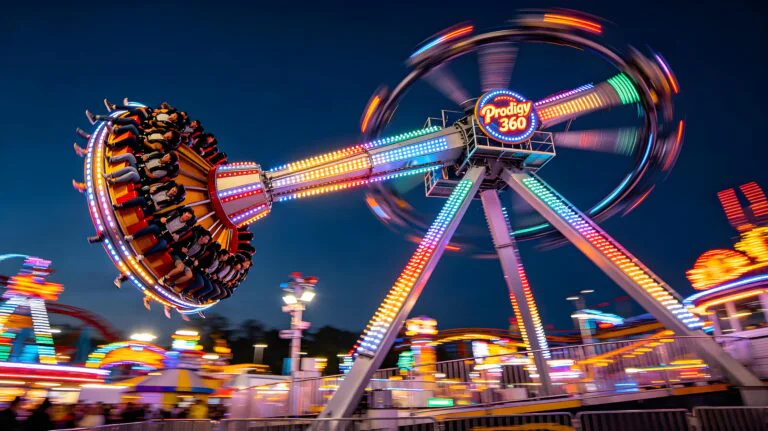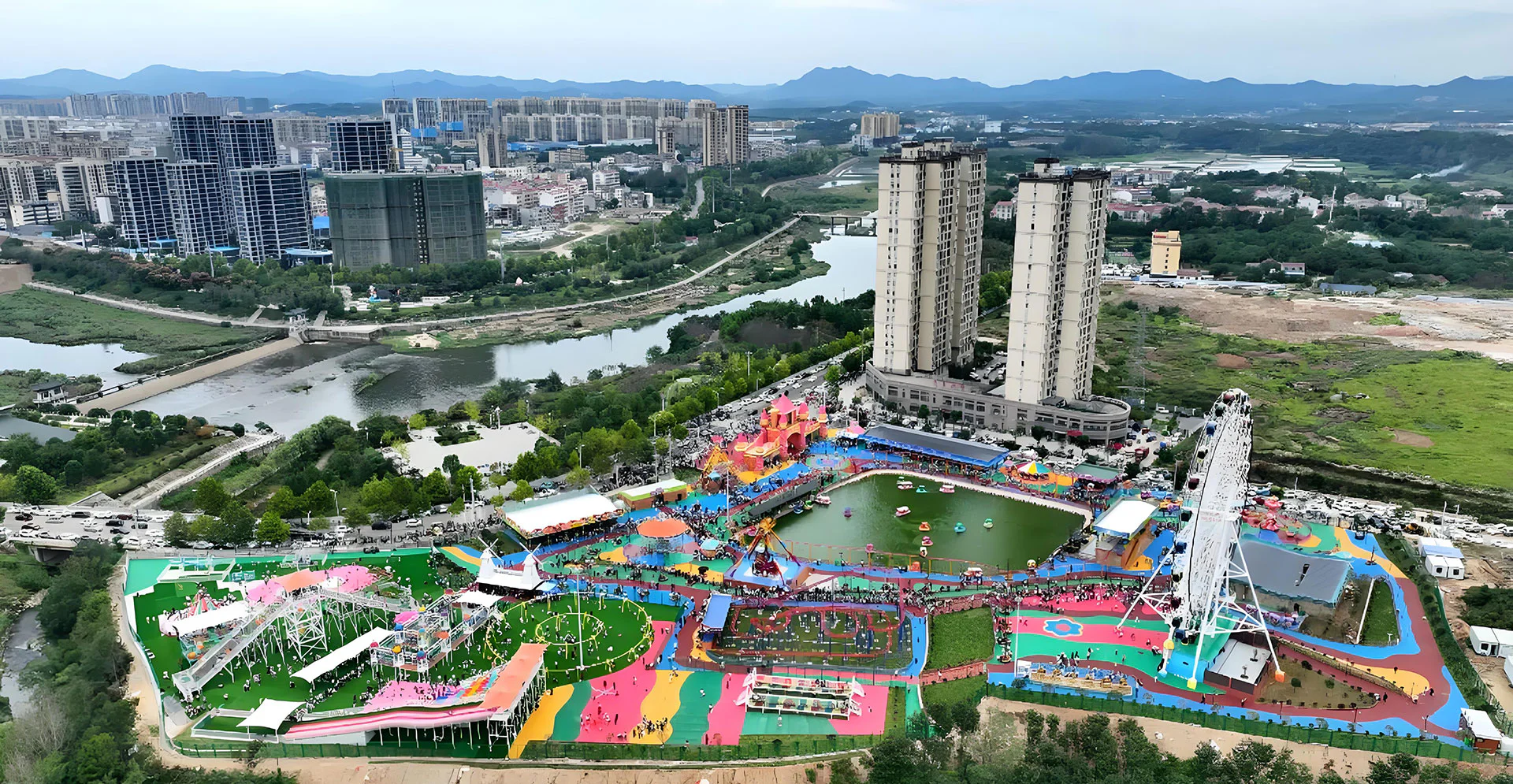
The global attractions industry is experiencing steady growth as demand for family entertainment, tourism, and experiential travel continues to increase. Whether you’re an entrepreneur, real estate developer, tourism authority, or private investor, one of the first strategic decisions you’ll face is:Should you build an amusement park or a theme park?
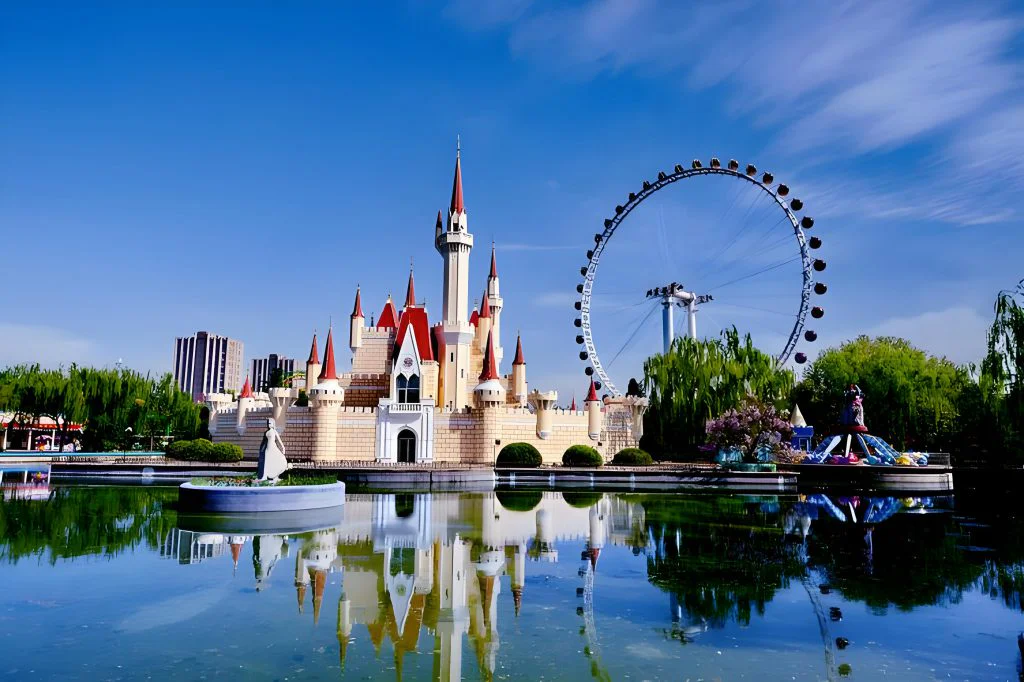
While both business models can be highly profitable, they differ significantly in investment requirements, operational complexity, guest expectations, revenue potential, and long-term scalability.
Choosing the right model requires more than comparing construction costs. It involves understanding your target audience, local tourism market, available capital, land resources, and long-term business objectives.
Quick Comparison: Amusement Park vs. Theme Park
| Factor | Amusement Park | Theme Park |
|---|---|---|
| Primary Focus | Rides and attractions | Immersive storytelling and experiences |
| Initial Investment | Medium | High to Very High |
| Construction Timeline | 12–24 months | 24–60 months |
| Operational Complexity | Moderate | High |
| Average Visitor Stay | Half day to 1 day | 1–5 days |
| Revenue Sources | Tickets, rides, food, games | Tickets, hotels, retail, dining, entertainment |
| ROI Timeline | Faster | Longer but potentially higher |
| Best Markets | Regional cities | Major tourist destinations |
| Expansion Potential | Moderate | Excellent |
Step 1: Define Your Business Goals
Every successful project starts with a clear vision.
Ask yourself:
- Are you targeting local families or international tourists?
- Do you want fast cash flow or long-term brand value?
- Is your goal to maximize visitor volume or guest spending?
- Will your park operate seasonally or year-round?
- Do you plan to expand into a resort destination?
If your priority is a quicker return on investment with manageable operating costs, an amusement park may be the better fit. If you’re aiming to create a destination that attracts visitors from across the country or around the world, a theme park may offer greater long-term potential.
Step 2: Evaluate Your Investment Budget
Budget is often the deciding factor.
Typical Investment Areas
Amusement Park
- Land acquisition
- Ride equipment
- Infrastructure
- Parking facilities
- Utilities
- Landscaping
- Food and beverage outlets
- Safety systems
Because amusement parks focus primarily on attractions, they generally require lower capital investment.
Theme Park
In addition to the above, theme parks often require:
- Master planning
- Themed architecture
- Custom landscapes
- Show buildings
- Hotels
- Retail districts
- Entertainment venues
- Advanced technology
- Decorative theming
- Multimedia systems
While the initial investment is significantly higher, these features support premium pricing and diversified revenue.
Step 3: Understand Your Target Market
Your location and customer base should shape your decision.
Amusement Parks Work Best For
- Regional populations
- Local families
- School groups
- Teenagers
- Day-trip visitors
- Budget-conscious customers
Theme Parks Are Ideal For
- Vacation travelers
- International tourists
- Families seeking multi-day experiences
- Destination resort guests
- Corporate events
- Large tour groups
Conducting a market feasibility study can help determine whether your region has enough demand to support either model.
Step 4: Analyze Tourism Potential
Location is one of the strongest predictors of long-term success.
Strong Locations for Theme Parks
- Major tourist destinations
- Coastal resort areas
- Capital cities
- Integrated entertainment districts
- High-traffic transportation hubs
Strong Locations for Amusement Parks
- Growing suburban areas
- Regional cities
- Community recreation zones
- Shopping and mixed-use developments
- Seasonal fairgrounds
If your area attracts millions of tourists annually, a theme park may generate higher long-term returns. In markets with primarily local visitors, an amusement park is often the more practical choice.
Step 5: Compare Revenue Opportunities
A successful attraction generates income from more than ticket sales.
Amusement Park Revenue
- Admission tickets
- Ride passes
- Food and beverages
- Arcade games
- Souvenir shops
- Parking
- Birthday parties
- Seasonal events
Theme Park Revenue
- Multi-day admission
- Resort hotels
- Restaurants
- Retail stores
- Character merchandise
- VIP experiences
- Fast-track passes
- Festivals
- Corporate events
- Sponsorships
- Licensing opportunities
The broader the revenue base, the more resilient the business becomes.
Step 6: Consider Operational Complexity
Operating a theme park requires significantly more resources.
Amusement Park Operations
- Ride maintenance
- Safety inspections
- Food service
- Security
- Seasonal staffing
- Basic marketing
Theme Park Operations
In addition to the above:
- Live entertainment
- Costume departments
- Hotel management
- Retail operations
- Landscape maintenance
- Special effects
- Event production
- Character performers
- Guest experience management
Investors should ensure they have the management expertise to support these additional responsibilities.
Step 7: Select the Right Attractions
The attractions you choose will determine your park’s appeal.
Popular Family Rides
Thrill Attractions
- Giant pendulum rides
- Launch roller coasters
- Drop towers
- Flying theaters
- Water rides
Interactive Attractions
- Motion simulators
- Dark rides
- VR experiences
- AR attractions
- Interactive shooting rides
Theme parks often customize these attractions with storytelling, themed vehicles, immersive scenery, synchronized audio, and lighting effects.
Step 8: Plan for Future Expansion
Successful parks are rarely built all at once.
Amusement Park Expansion
- Add new rides
- Expand children’s areas
- Introduce water attractions
- Build additional dining options
- Create event spaces
Theme Park Expansion
- Add themed lands
- Construct hotels
- Develop entertainment districts
- Introduce seasonal festivals
- Expand retail villages
- Add water parks
- Launch branded experiences
A phased development strategy helps reduce financial risk while maintaining visitor interest.
Step 9: Focus on Guest Experience
Today’s visitors expect more than rides.
Key elements include:
- Comfortable pathways
- Shade and seating
- Clean facilities
- Mobile ticketing
- Digital navigation
- Shorter wait times
- Family-friendly amenities
- Accessible attractions
Theme parks generally invest more heavily in these features, but amusement parks can also improve guest satisfaction through thoughtful planning.
Step 10: Embrace Technology
Modern attractions increasingly rely on technology to improve operations and enhance the visitor experience.
Popular innovations include:
- AI-powered guest services
- Dynamic ticket pricing
- Mobile park apps
- Virtual queue systems
- Cashless payments
- Smart wristbands
- Predictive maintenance
- Interactive storytelling
- Renewable energy systems
- Data-driven marketing
Technology can increase operational efficiency and create new revenue opportunities regardless of the park type.
Common Mistakes to Avoid
Many projects encounter challenges because of avoidable mistakes.
Avoid:
- Choosing the wrong market
- Underestimating operating costs
- Ignoring guest experience
- Purchasing low-quality ride equipment
- Lacking a long-term expansion plan
- Overbuilding before demand is proven
- Weak marketing strategies
- Insufficient maintenance budgets
Comprehensive planning is essential before construction begins.
Choosing the Right Ride Manufacturer
Reliable ride suppliers play a major role in project success.
When evaluating manufacturers, consider:
- International safety certifications
- Manufacturing experience
- Customization capabilities
- Installation support
- Spare parts availability
- Technical training
- Warranty coverage
- After-sales service
- Global project portfolio
For theme parks, manufacturers that can integrate custom theming, multimedia effects, and branded ride designs provide additional value.
Industry Trends in 2026
Several trends are shaping the future of park development:
- Sustainable construction
- Energy-efficient attractions
- AI-driven operations
- Immersive digital experiences
- Personalized guest services
- Mixed-reality attractions
- Smart crowd management
- Contactless technology
- Eco-friendly landscaping
- Multi-purpose entertainment districts
Projects that incorporate these innovations are better positioned for long-term competitiveness.
Frequently Asked Questions (FAQ)
Is it cheaper to build an amusement park than a theme park?
Yes. Amusement parks generally require lower capital investment because they focus on rides and essential infrastructure rather than extensive theming, hotels, and entertainment facilities.
Which business model has a faster return on investment?
Amusement parks often achieve a faster ROI due to lower startup costs and simpler operations. Theme parks may take longer to recover their investment but can generate higher long-term revenue.
What type of park is better for a tourist destination?
A theme park is often the better choice for destinations with strong tourism demand because it encourages longer stays and higher visitor spending.
Can an amusement park be expanded into a theme park?
Yes. Many successful parks begin as amusement parks and gradually introduce themed areas, immersive attractions, entertainment, and resort facilities as demand grows.
What is the most important factor when choosing between the two?
The most important consideration is whether your target market, investment capacity, and long-term business goals align with the chosen model. A detailed feasibility study is essential before making a final decision.