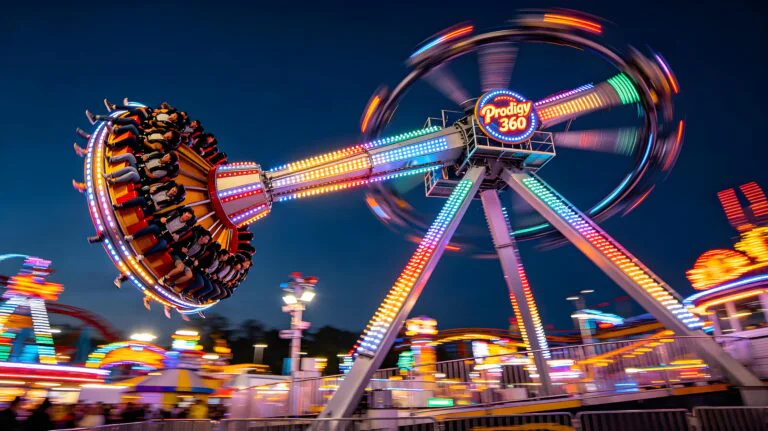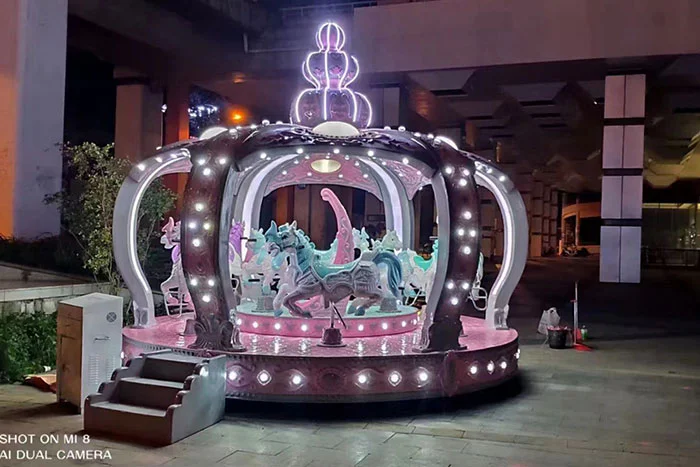
In 2026, understanding the cost guide for prodigy amusement park supplies in 2026 is essential for theme park developers, family entertainment center (FEC) operators, and investors planning new amusement projects. Amusement park supplies are not a single fixed-cost category—they include a wide range of systems such as ride components, safety equipment, lighting systems, and ticketing infrastructure.
According to industry investment data, amusement park-related costs vary widely depending on scale, with total projects ranging from hundreds of thousands to tens of millions of dollars, depending on ride selection, infrastructure, and customization level .
What Are Amusement Park Supplies?
Amusement park supplies refer to all essential operational and support equipment used to run a modern amusement park.
They include:
- Ride spare parts and mechanical systems
- Safety and monitoring systems
- Electrical and LED lighting systems
- Ticketing and access control systems
- Decorative and thematic materials
- Maintenance tools and consumables
These supplies directly affect safety, visitor experience, and long-term profitability.
Average Cost Breakdown of Amusement Park Supplies (2026)
While exact prices vary by supplier and customization, here is a realistic 2026 breakdown:
💡 1. Ride Mechanical Components
- Small components: $500 – $5,000
- Medium systems: $5,000 – $50,000
- Large ride systems: $50,000 – $500,000+
✔ Factors affecting cost:
- Ride type
- Capacity
- Engineering complexity
🛡️ 2. Safety Equipment Systems
- Basic safety systems: $1,000 – $10,000
- Advanced monitoring systems: $10,000 – $80,000
✔ Includes:
- Restraints
- Emergency stop systems
- Sensors and alarms
💡 3. Lighting and Electrical Systems
- LED decorative lighting: $2,000 – $20,000
- Full park lighting systems: $20,000 – $150,000
✔ High-end systems improve night attraction value and visitor engagement.
🎟️ 4. Ticketing and Access Systems
- Basic turnstiles: $1,500 – $8,000 per unit
- Smart RFID systems: $10,000 – $50,000+
✔ These systems improve operational efficiency and reduce labor costs.
🎨 5. Themed Decoration Supplies
- Simple decorations: $3,000 – $30,000
- Large immersive theming systems: $50,000 – $300,000+
✔ Theming strongly influences visitor experience and branding.
Total Investment Range for Amusement Park Supplies
Based on global amusement park investment patterns:
- Small FEC projects: $50,000 – $300,000
- Medium amusement parks: $300,000 – $2,000,000
- Large theme parks: $2,000,000 – $20,000,000+
This shows that supplies represent a major portion of total amusement park investment.
Key Factors That Affect Amusement Park Supply Costs
⚙️ 1. Customization Level
Custom-designed supplies cost more due to:
- Engineering design work
- Theming requirements
- Special manufacturing processes
🌍 2. Supplier and Manufacturing Location
Costs vary depending on:
- Domestic vs international suppliers
- Shipping and logistics
- Import taxes
🛡️ 3. Safety Certification Requirements
Certified products (CE, ISO, ASTM) typically cost more but ensure:
- Legal compliance
- Higher safety reliability
💡 4. Technology Integration
Smart systems increase costs:
- AI monitoring systems
- Digital ticketing integration
- Automated control systems
📦 5. Order Volume
Bulk purchasing often reduces:
- Unit price
- Shipping costs
- Installation expenses
Cost Optimization Tips for Investors
✔ 1. Buy Direct from Manufacturers
Factory-direct purchasing reduces middleman costs and improves customization options.
✔ 2. Prioritize High ROI Supplies
Focus spending on:
- High-traffic rides
- Core safety systems
- Revenue-generating attractions
✔ 3. Phase Your Investment
Start with:
- Core rides
- Basic infrastructure
Then expand gradually based on revenue.
✔ 4. Standardize Components
Using modular systems helps:
- Reduce maintenance costs
- Simplify spare parts replacement
✔ 5. Compare Total Lifecycle Cost
Do not focus only on purchase price—consider:
- Maintenance costs
- Energy consumption
- Replacement cycles
Common Cost Mistakes to Avoid
❌ Choosing the cheapest supplier
Low-quality equipment increases long-term expenses.
❌ Ignoring spare parts planning
Can lead to downtime and lost revenue.
❌ Over-customization without planning
May significantly increase budget.
❌ Not considering operational costs
Maintenance and energy costs are often underestimated.
Industry Trends Affecting Costs in 2026
🤖 Smart Maintenance Systems
AI-based systems reduce long-term maintenance costs by predicting failures early.
💡 Energy-Efficient Equipment
LED and low-power systems reduce electricity expenses.
🧩 Modular Supply Systems
Standardized parts lower replacement and repair costs.
🌍 Global Supply Chain Optimization
Improved logistics help reduce shipping and lead times.
Conclusion
The cost guide for prodigy amusement park supplies in 2026 shows that pricing depends heavily on ride type, customization level, and technology integration. While small systems may cost only a few thousand dollars, full amusement park supply infrastructure can reach millions depending on scale.
For investors and operators, the key to success is not simply choosing the lowest price—but selecting high-quality, reliable, and scalable supplies that deliver long-term ROI and operational stability.