One of the most common questions from investors and park developers is: how much does amusement equipment cost in 2026?
The answer depends on multiple factors such as ride type, size, customization level, technology integration, and supplier location. In 2026, the global amusement industry continues to grow, and pricing remains highly flexible based on project requirements.
Average Cost Range of Amusement Equipment in 2026
Below is a general pricing overview based on common amusement ride categories:
🎡 Small Amusement Equipment
- Kiddie rides: $2,000 – $20,000
- Mini train rides: $10,000 – $50,000
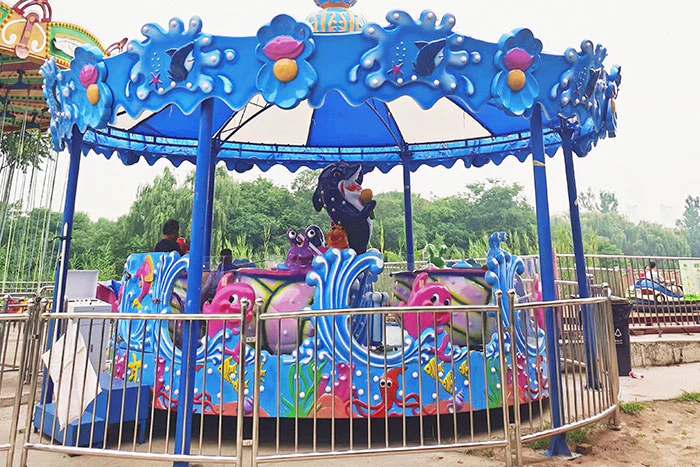
- Small carousels: $8,000 – $40,000
These are ideal for:
- Shopping malls
- Indoor amusement centers
- Small parks
🎠 Medium Family Rides
- Standard carousel rides: $15,000 – $80,000
- Flying chairs: $20,000 – $120,000
- Trackless trains: $30,000 – $150,000
- Mini Ferris wheels: $50,000 – $200,000
These rides are commonly used in:
- Family entertainment centers (FECs)
- Mid-size theme parks
- Resorts
🎢 Large Thrill Rides
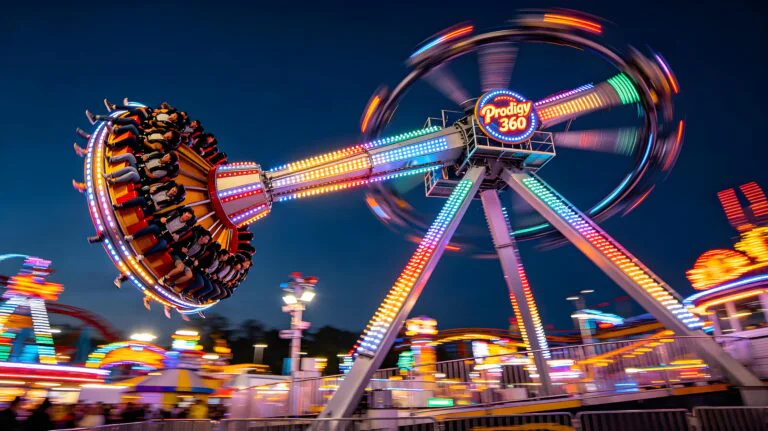
- Pendulum rides: $80,000 – $500,000+
- Drop towers: $100,000 – $600,000+
- Large spinning rides: $50,000 – $300,000+
- Roller coasters: $500,000 – $5,000,000+
These attractions are designed for:
- Major theme parks
- Tourist destinations
- Large entertainment resorts
Key Factors That Affect Amusement Equipment Cost
1. Ride Type and Complexity
Simple rides like carousels are significantly cheaper than complex roller coasters or simulation systems.
More complex systems require:
- Advanced engineering
- Stronger materials
- Higher safety standards
2. Customization Level (OEM/ODM Design)
Custom-designed amusement equipment increases cost due to:
- Themed structures
- Unique ride mechanics
- Branding integration
- Special lighting systems
Custom rides can increase cost by 20%–80% or more depending on complexity.
3. Size and Capacity
Larger rides with higher passenger capacity require:
- More steel materials
- Stronger motors
- Bigger installation space
Higher capacity generally means higher cost but better long-term ROI.
4. Technology and Smart Features
Modern amusement equipment in 2026 often includes:
- LED lighting systems
- AI safety monitoring
- VR/AR integration
- Interactive control systems
These features increase overall price but enhance visitor experience.
5. Manufacturing Location
Costs vary depending on supplier region:
- China: Competitive factory pricing
- Europe/USA: Higher manufacturing costs
- Middle East/Asia suppliers: Mid-range pricing
Many global buyers choose Chinese manufacturers for cost-effective production and customization flexibility.
6. Installation and Shipping Costs
Additional expenses may include:
- International shipping
- On-site installation
- Foundation construction
- Technical training
These can add 10%–30% of total project cost depending on location.
Cost Comparison by Amusement Park Size
Small Amusement Parks
- Total investment: $50,000 – $300,000
- Focus: Kiddie rides and family attractions
Medium Theme Parks
- Total investment: $300,000 – $3,000,000
- Focus: Balanced mix of thrill and family rides
Large Theme Parks
- Total investment: $3,000,000 – $50,000,000+
- Focus: Large-scale thrill rides and signature attractions
How to Reduce Amusement Equipment Costs
1. Choose Factory Direct Suppliers
Buying directly from manufacturers eliminates middlemen and reduces cost significantly.
2. Start with Core Attractions
Begin with essential rides and expand gradually based on revenue growth.
3. Select Modular Equipment
Modular rides allow:
- Easier installation
- Lower transportation costs
- Flexible expansion
4. Balance Custom and Standard Rides
A mix of OEM and standard models helps optimize budget and uniqueness.
Is Amusement Equipment a Good Investment in 2026?
Yes. The amusement industry continues to grow due to:
- Rising tourism demand
- Growth of family entertainment centers
- Experience-based consumption trends
Well-planned amusement parks can generate strong ROI through:
- Ticket sales
- Food and beverage revenue
- In-park spending
- Seasonal events