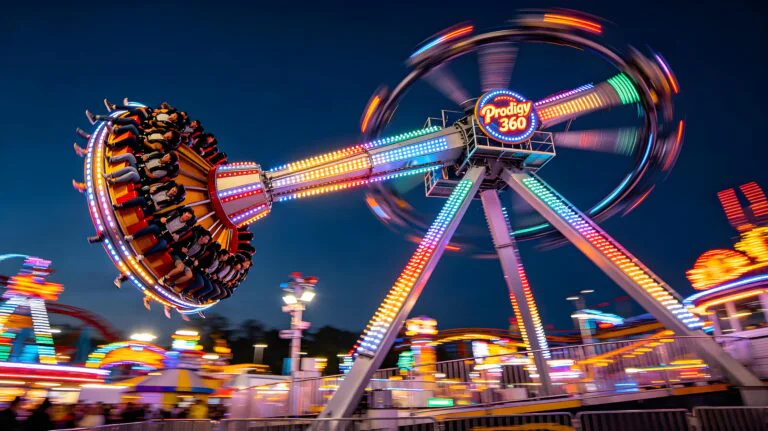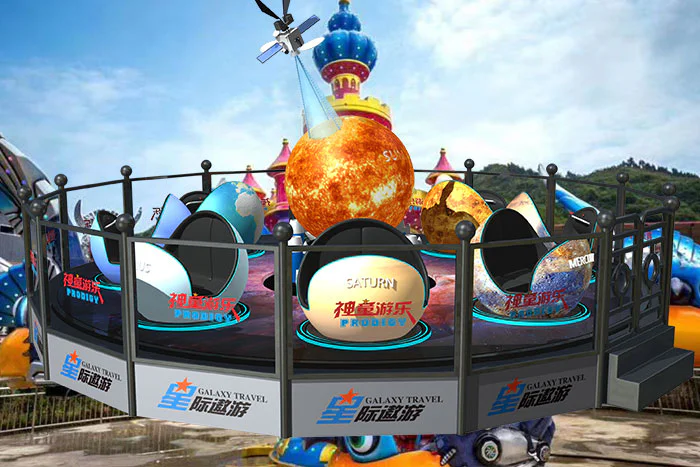
In modern urban environments, indoor amusement equipment for shopping malls and family centers has become one of the fastest-growing segments in the entertainment industry. As cities become more crowded and weather-dependent outdoor activities fluctuate, indoor amusement venues provide a stable, year-round revenue source for investors and operators.
Shopping malls and family entertainment centers (FECs) are increasingly integrating amusement equipment to attract families, increase foot traffic, and extend customer dwell time.
What Is Indoor Amusement Equipment?
Indoor amusement equipment refers to rides and attractions specifically designed for enclosed environments such as malls, commercial complexes, and entertainment centers.
These attractions are engineered to be:
- Compact in size
- Low noise and energy efficient
- Safe for indoor operation
- Visually attractive under artificial lighting
- Suitable for all-age entertainment
Why Shopping Malls and Family Centers Invest in Amusement Equipment
1. Increased Foot Traffic
Indoor amusement attractions act as anchor entertainment points, drawing families and increasing overall mall visitation.
2. Longer Customer Dwell Time
When visitors engage in entertainment activities, they tend to stay longer, which increases spending in:
- Restaurants
- Retail stores
- Cafés and entertainment zones
3. Year-Round Operation
Unlike outdoor parks, indoor amusement equipment is not affected by weather conditions, ensuring stable income throughout the year.
4. Family-Oriented Experience
Indoor amusement areas are designed to attract:
- Children
- Parents
- Teenagers
- Group visitors
Most Popular Indoor Amusement Equipment Types
1. Indoor Carousel Rides
Carousels remain one of the most popular indoor attractions.
Key benefits:
- Gentle motion suitable for all ages
- Strong visual appeal
- Compact installation footprint
- High ride frequency
Modern indoor versions often include LED lighting and themed decorative designs.
2. Mini Ferris Wheels
Indoor Ferris wheels are designed for limited ceiling height environments.

Advantages include:
- Scenic indoor views
- Strong visual centerpiece effect
- Family-friendly experience
- High photo value
3. Trackless Train Rides
Indoor trackless trains are widely used in large malls.

Benefits:
- Flexible navigation routes
- High passenger capacity
- Ideal for mall sightseeing tours
- Interactive guest experience
4. Kiddie Rides
Children’s amusement equipment is essential for family centers.
Examples include:
- Mini rotating rides
- Cartoon-themed rides
- Small electric vehicles
- Animal-shaped attractions
These rides are low-cost but highly effective in attracting families.
5. Indoor Swing and Spinning Rides
These attractions provide light thrill experiences:
- Rotating UFO rides
- Small swing rides
- Tea cup-style attractions
They are ideal for teenagers and family groups.
6. Interactive Simulation and VR Rides
Modern indoor amusement centers increasingly use technology-based attractions such as:
- Motion simulators
- VR roller coaster experiences
- Interactive gaming rides
- Digital storytelling attractions
These systems deliver immersive experiences without requiring large physical space.
Key Features of Indoor Amusement Equipment
1. Compact Structural Design
Indoor rides must fit within limited space and ceiling height restrictions.
2. Low Noise Operation
Equipment is designed to operate quietly to maintain a comfortable shopping environment.
3. Safety-First Engineering
Indoor amusement equipment includes:
- Soft start/stop systems
- Secure seat restraints
- Emergency stop functions
- Controlled speed systems
4. Energy Efficiency
Modern indoor rides use:
- Low-power motors
- LED lighting systems
- Smart control systems
This reduces operating costs for mall owners.
How Indoor Amusement Equipment Benefits Shopping Malls
1. Increased Revenue Streams
Indoor amusement areas generate direct income through:
- Ticket sales
- Membership programs
- Event hosting
2. Retail Sales Growth
Entertainment increases customer dwell time, leading to higher retail conversion rates.
3. Strong Brand Positioning
Malls with amusement zones are perceived as:
- Family-friendly
- Experience-oriented
- Modern lifestyle destinations
4. Competitive Advantage
Indoor entertainment helps malls stand out in highly competitive urban markets.
Choosing the Right Indoor Amusement Equipment
1. Space Planning
Ensure equipment fits:
- Floor area limitations
- Ceiling height restrictions
- Safety clearance zones
2. Target Audience
Select rides based on customer demographics:
- Kids: soft rides and kiddie attractions
- Families: carousels and trains
- Teenagers: spinning or VR rides
3. Manufacturer Capability
Look for suppliers offering:
- Custom design services
- Installation support
- Safety certification
- After-sales maintenance
4. Safety and Certification
Ensure compliance with:
- CE certification
- ISO quality standards
- Local building and safety regulations
Emerging Trends in Indoor Amusement Equipment
1. Immersive Themed Environments
Indoor centers are shifting toward fully themed entertainment zones such as:
- Fantasy worlds
- Space adventures
- Ocean-themed parks
2. Digital and Interactive Attractions
- AR/VR integration
- Interactive storytelling rides
- Sensor-based games
3. Compact Modular Design
Modular rides allow:
- Faster installation
- Easy relocation
- Flexible layout changes
4. Social Media-Friendly Design
Bright LED lighting and themed decorations encourage visitor sharing online.