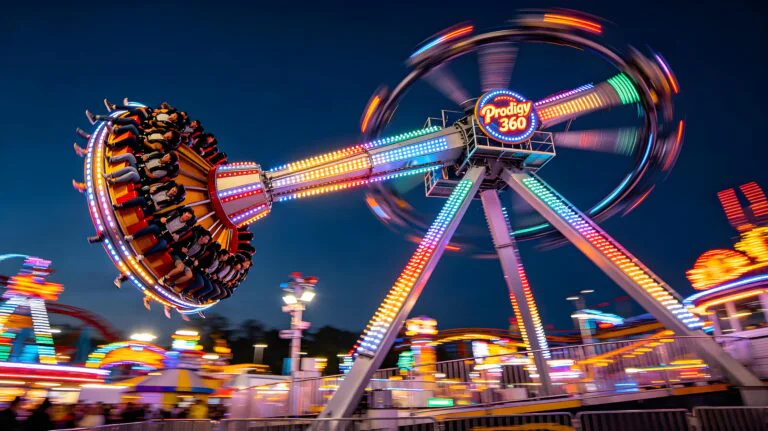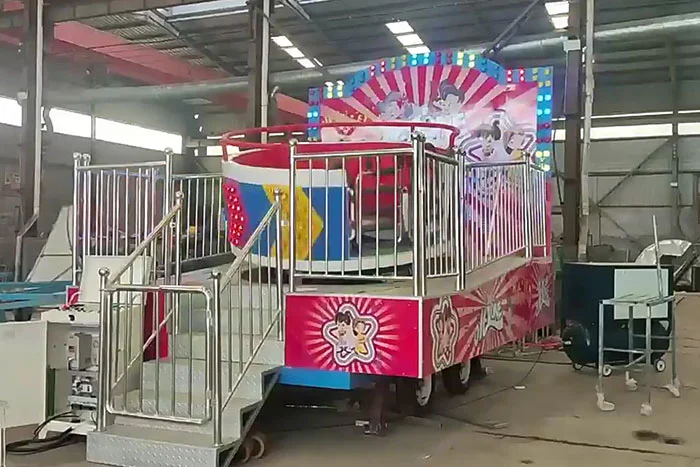
Investing in a 360 amusement ride can be a game-changing decision for amusement parks, family entertainment centers, resorts, and carnival operators. These high-thrill attractions are known for their impressive visual appeal, strong rider demand, and excellent revenue potential. However, successful projects require careful budget planning to avoid unexpected costs and maximize return on investment (ROI).

Why Budget Planning Is Essential
Many investors focus only on the ride purchase price, but a successful amusement ride project involves several additional expenses. Proper budget planning helps operators:
- Control project costs
- Prevent financial surprises
- Improve ROI forecasting
- Streamline installation timelines
- Ensure regulatory compliance
- Maximize long-term profitability
A comprehensive budget provides a clear picture of total project investment before construction begins.
Step 1: Determine Your Project Goals
Before requesting quotations, define your objectives.
Consider:
Target Audience
Who will use the attraction?
- Families
- Teenagers
- Young adults
- Thrill-seekers
- Tourists
Understanding your audience helps determine the ideal ride size and features.
Available Space
Evaluate:
- Installation footprint
- Safety clearance zones
- Queue line space
- Maintenance access areas
Ride dimensions directly affect project costs.
Revenue Expectations
Set realistic goals for:
- Daily attendance
- Ticket pricing
- Seasonal demand
- ROI timeline
These projections will help determine the appropriate investment level.
Step 2: Budget for Ride Purchase Costs
The ride itself is typically the largest project expense.
Estimated pricing ranges include:
| Ride Type | Estimated Price Range |
|---|---|
| Small 360 Ride | $50,000 – $120,000 |
| Medium 360 Ride | $120,000 – $350,000 |
| Large 360 Pendulum Ride | $350,000 – $1,000,000+ |
| Fully Customized Ride | Custom Quotation |
The final price depends on capacity, ride complexity, customization, and technical specifications.
Step 3: Include Customization Costs
Customization can significantly increase visitor appeal and revenue potential.
Popular options include:
- Custom paint schemes
- Park branding
- LED lighting systems
- Sound and music integration
- Themed decorations
- Interactive visual effects
Although customization adds upfront costs, it often helps attract more riders and improve long-term profitability.
Step 4: Plan for Site Preparation
A safe and reliable installation begins with proper site development.
Common site preparation expenses include:
Groundwork
- Land clearing
- Grading
- Excavation
Foundation Construction
- Reinforced concrete foundations
- Anchor systems
- Drainage solutions
Utility Connections
- Electrical infrastructure
- Lighting systems
- Control room connections
Depending on local conditions, site preparation can represent a significant portion of the total project budget.
Step 5: Account for Shipping and Logistics
Transportation costs vary depending on:
- Ride size
- Delivery destination
- Shipping method
- Customs requirements
Project logistics may include:
- Ocean freight
- Inland transportation
- Port handling fees
- Customs clearance
- Insurance coverage
Prodigy Rides provides global shipping support to simplify the delivery process and reduce logistical challenges.
Step 6: Budget for Installation Services
Professional installation is essential for safety and performance.
Installation expenses may include:
- Assembly labor
- Mechanical setup
- Electrical system integration
- Safety inspections
- Operational testing
Experienced installation teams help ensure the ride operates according to manufacturer specifications.
Step 7: Consider Regulatory and Compliance Costs
Many regions require:
- Safety certifications
- Engineering approvals
- Government inspections
- Operating permits
Examples include:
- CE Certification
- ASTM Standards
- ISO Compliance
- Local amusement ride regulations
Including these costs in your budget helps avoid project delays.
Step 8: Estimate Annual Operating Costs
Long-term financial planning should include ongoing operating expenses.
Labor Costs
Staffing requirements may include:
- Ride operators
- Safety attendants
- Supervisors
- Maintenance personnel
Electricity Costs
Power consumption depends on:
- Ride size
- Operating hours
- Lighting systems
- Motor capacity
Maintenance Costs
Routine maintenance includes:
- Lubrication
- Mechanical inspections
- Component replacement
- Safety testing
Budgeting for maintenance helps maximize ride lifespan and minimize downtime.
Sample Project Budget Breakdown
The following example illustrates a typical medium-sized 360 amusement ride project:
| Expense Category | Estimated Cost |
| Ride Purchase | $180,000 |
| Customization | $20,000 |
| Site Preparation | $25,000 |
| Foundation Construction | $20,000 |
| Shipping & Logistics | $15,000 |
| Installation & Testing | $20,000 |
| Permits & Compliance | $10,000 |
| Contingency Fund | $10,000 |
| Total Project Budget | $300,000 |
Actual costs will vary based on project scope, location, and customization requirements.
Why Include a Contingency Fund?
Unexpected expenses can arise during any project.
A contingency budget of 5–10% can help cover:
- Material price increases
- Shipping delays
- Additional construction requirements
- Regulatory changes
- Unforeseen site conditions
Contingency planning protects your investment and helps maintain project schedules.
How Prodigy Rides Helps Investors Stay on Budget
Transparent Pricing
Prodigy Rides provides detailed quotations that clearly outline project costs.
Customized Solutions
We tailor ride specifications to meet your budget and business objectives.
Efficient Manufacturing
Advanced production processes help reduce costs while maintaining quality.
Turnkey Project Support
Our services include:
- Ride design
- Manufacturing
- Shipping coordination
- Installation guidance
- Operator training
- After-sales support
This comprehensive approach helps eliminate costly project delays and inefficiencies.
Maximizing ROI Through Smart Budget Planning
Successful investors focus not only on minimizing costs but also on maximizing long-term value.
Strategies include:
- Selecting the right ride capacity
- Investing in durable equipment
- Incorporating attractive theming
- Planning preventive maintenance
- Optimizing ride throughput
A well-planned project can generate strong revenue for many years while maintaining manageable operating expenses.
Conclusion
Budget planning is one of the most important steps in developing a successful 360 amusement ride project. By carefully evaluating ride costs, customization options, site preparation, installation, logistics, compliance, and operating expenses, investors can create realistic financial projections and improve overall project outcomes.
At Prodigy Rides, we provide complete support throughout the planning, manufacturing, and installation process, helping clients build safe, profitable, and visually impressive attractions. With proper budgeting and expert guidance, a 360 amusement ride can become one of the most valuable assets in your entertainment business.