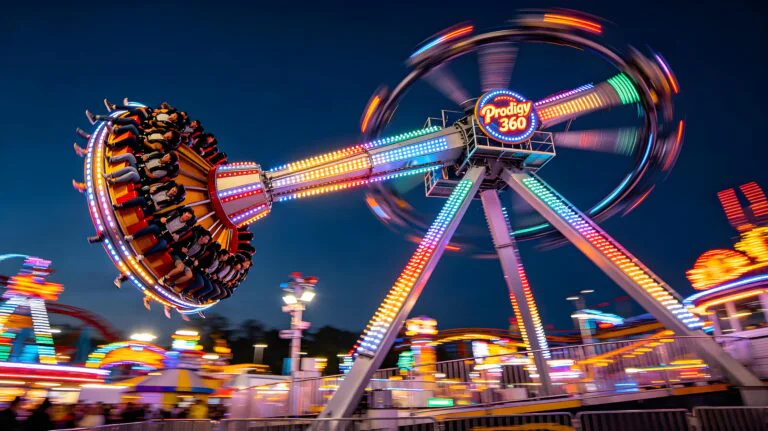
Investing in a 360 amusement ride can be an excellent way to increase visitor attendance and generate long-term revenue for theme parks, carnivals, and entertainment venues. However, understanding the ongoing operating costs is just as important as evaluating the initial purchase price.
Why Understanding Operating Costs Matters
A 360 amusement ride is a long-term business asset. Proper budgeting helps operators:
- Improve profit margins
- Reduce unexpected expenses
- Plan maintenance schedules
- Increase ride availability
- Extend equipment lifespan
- Maximize annual revenue
When operating costs are properly managed, a high-quality 360 ride can remain profitable for many years.
Major Operating Costs of a 360 Amusement Ride
1. Labor Costs
Staffing is one of the most consistent operational expenses.
Depending on local regulations and ride complexity, operators may require:
- Ride operators
- Safety attendants
- Queue management personnel
- Supervisors
- Maintenance technicians
Labor costs vary by region, but efficient staffing plans can help reduce expenses while maintaining safety and service quality.
2. Electricity Consumption
360 amusement rides rely on powerful motors, control systems, lighting packages, and safety equipment.
Electricity costs depend on factors such as:
- Ride size
- Motor power
- Operating hours
- LED lighting systems
- Climate conditions
Modern rides from Prodigy Rides are designed with energy-efficient systems that help minimize electricity consumption while maintaining exceptional performance.
3. Routine Maintenance
Regular maintenance is essential for safe and reliable operation.
Typical maintenance activities include:
- Lubrication of moving parts
- Bearing inspections
- Hydraulic system checks
- Fastener tightening
- Structural inspections
- Electrical system testing
Preventive maintenance helps avoid costly breakdowns and extends ride service life.
4. Spare Parts Replacement
Even high-quality rides require occasional component replacement.
Common replacement items include:
- Bearings
- Hydraulic seals
- Sensors
- Electrical switches
- Safety restraint components
- Lighting elements
Choosing a manufacturer with reliable spare parts support can significantly reduce downtime and maintenance expenses.
5. Insurance Costs
Commercial amusement rides typically require insurance coverage for:
- Public liability
- Equipment protection
- Employee safety
- Property damage
Insurance premiums depend on local regulations, ride specifications, and operational history.
6. Safety Inspections and Compliance
Many countries require regular inspections to ensure amusement rides remain compliant with safety standards.
Potential expenses include:
- Annual inspections
- Third-party certifications
- Regulatory documentation
- Compliance audits
While these costs are necessary, they help protect operators and maintain public confidence.
Sample Annual Operating Cost Breakdown
For a medium-sized commercial 360 amusement ride, annual operating expenses may look like this:
| Expense Category | Estimated Annual Cost |
|---|---|
| Labor | $15,000 – $60,000 |
| Electricity | $3,000 – $15,000 |
| Routine Maintenance | $5,000 – $20,000 |
| Spare Parts | $2,000 – $10,000 |
| Insurance | $3,000 – $20,000 |
| Safety Inspections | $1,000 – $8,000 |
| Total Estimated Annual Costs | $29,000 – $133,000 |
Actual costs vary depending on ride size, operating schedule, location, and local regulations.
Factors That Influence Operating Costs
Ride Size and Capacity
Larger rides generally require:
- More electricity
- Additional maintenance
- Larger crews
- More replacement components
However, larger rides often generate substantially higher revenue, helping offset these expenses.
Operating Frequency
Rides operating daily throughout the year will experience:
- Greater wear and tear
- Higher maintenance requirements
- Increased utility expenses
Proper maintenance scheduling becomes especially important for high-traffic attractions.
Environmental Conditions
Weather can impact maintenance needs.
Factors include:
- Humidity
- Rainfall
- Salt air exposure
- Extreme temperatures
- Dust accumulation
Protective coatings and quality materials help reduce environmental wear.
How Prodigy Rides Helps Reduce Operating Costs
Premium Manufacturing Quality
Prodigy Rides uses:
- High-strength steel
- Industrial-grade electrical systems
- Durable hydraulic components
- Corrosion-resistant coatings
These features help reduce maintenance frequency and repair costs.
Energy-Efficient Technology
Modern drive systems and LED lighting packages are designed to minimize power consumption without compromising rider experience.
Comprehensive Training
Proper operator training helps:
- Improve ride efficiency
- Reduce unnecessary wear
- Enhance safety performance
- Prevent operational mistakes
Reliable After-Sales Support
Prodigy Rides provides:
- Spare parts availability
- Technical assistance
- Maintenance guidance
- Remote troubleshooting support
Fast support helps minimize downtime and maximize revenue generation.
Strategies to Improve Profitability
Operators can improve profit margins by:
Implementing Preventive Maintenance
Routine inspections can identify small issues before they become costly repairs.
Optimizing Ride Throughput
Efficient loading and unloading procedures increase rider capacity and daily revenue.
Investing in Quality Equipment
A premium ride often costs less to operate over its lifetime than lower-quality alternatives.
Leveraging Marketing Opportunities
Promoting a 360 ride through social media, special events, and seasonal campaigns can significantly increase attendance and ticket sales.
Why a 360 Amusement Ride Remains a Strong Investment
Although operating costs are an important consideration, the revenue potential of a popular 360 attraction often outweighs these expenses.
Benefits include:
- High passenger capacity
- Strong visual appeal
- Repeat visitor attraction
- Long operational lifespan
- Excellent ROI potential
When properly maintained and managed, a commercial 360 amusement ride can remain one of the most profitable attractions in a park or carnival.
Conclusion
Understanding the operating costs of a commercial 360 amusement ride is essential for making informed investment decisions. Expenses such as labor, electricity, maintenance, insurance, and compliance inspections all contribute to the total cost of ownership.
Fortunately, choosing a high-quality manufacturer like Prodigy Rides can help minimize long-term operating expenses through superior engineering, energy-efficient technology, durable materials, and reliable after-sales support.
With proper management and maintenance, a 360 amusement ride can deliver outstanding guest experiences, consistent revenue, and strong profitability for many years.