Everything You Need to Know Before Investing in a Commercial 360 Amusement Ride
The global amusement industry continues to grow as theme parks, carnivals, family entertainment centers, and tourist attractions seek innovative ways to attract visitors. Among the most exciting and profitable attractions available today is the 360 Amusement Ride. Known for its thrilling rotations, high-speed movements, and eye-catching design, this ride has become a popular choice for operators looking to enhance guest experiences and increase revenue.
If you are considering purchasing a 360 Amusement Ride for sale, it is essential to understand the factors that influence pricing, performance, safety, customization, and long-term profitability. This complete buyer guide will help you make an informed investment decision.
What Is a 360 Amusement Ride?
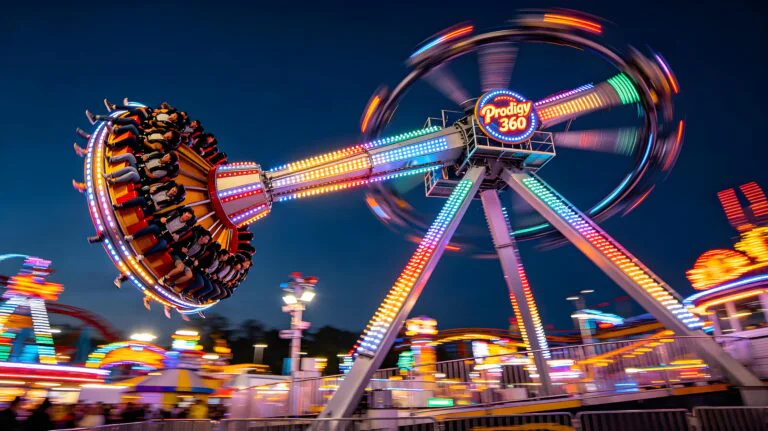
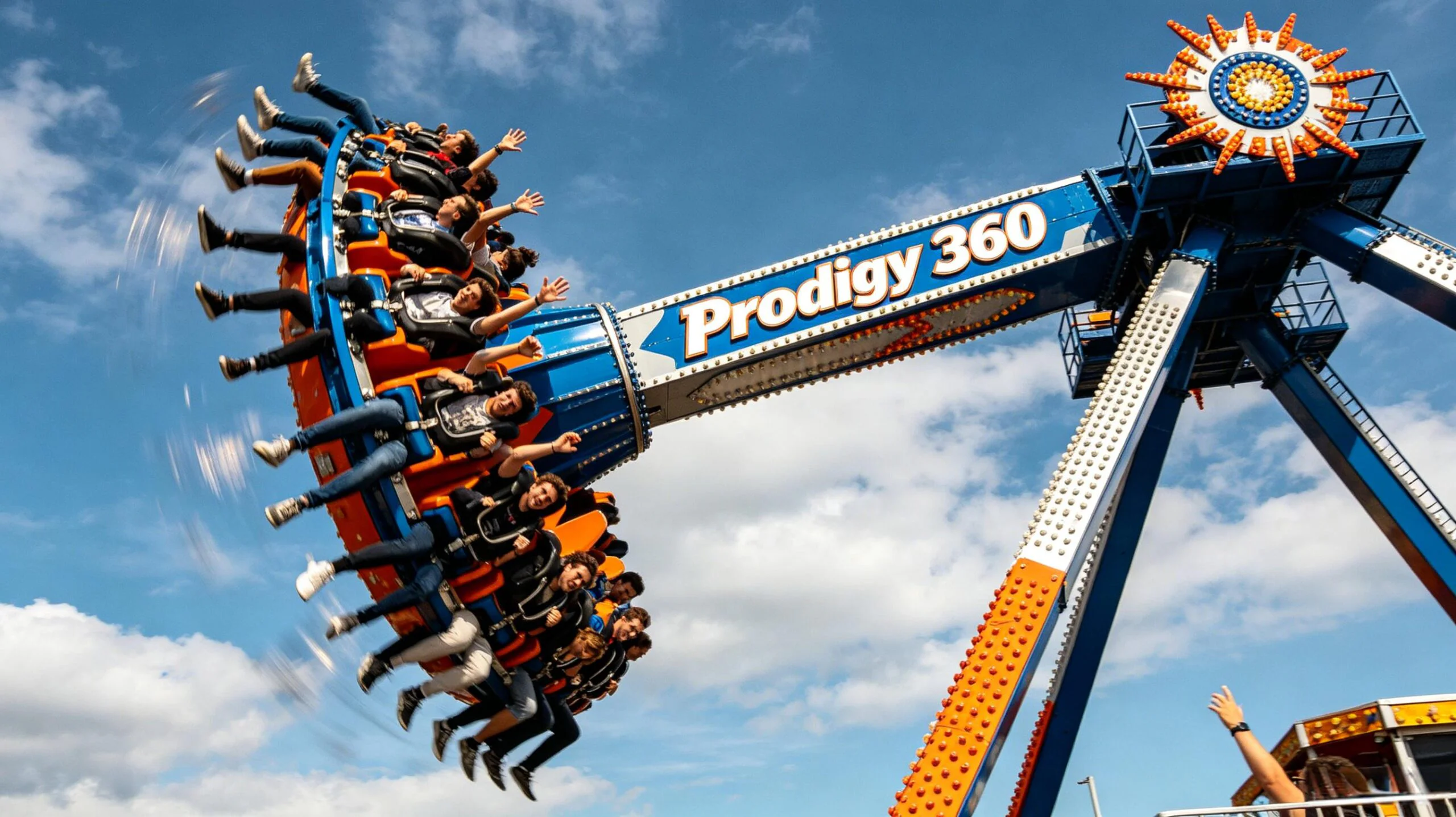
A 360 Amusement Ride is a thrill attraction designed to rotate riders through complete circular movements while delivering a combination of speed, height, and excitement. Depending on the model, the ride may include:
- Full 360-degree rotations
- Swinging and spinning motions
- High-speed acceleration
- Dynamic lighting effects
- Interactive ride programs
These rides are commonly installed in:
- Theme parks
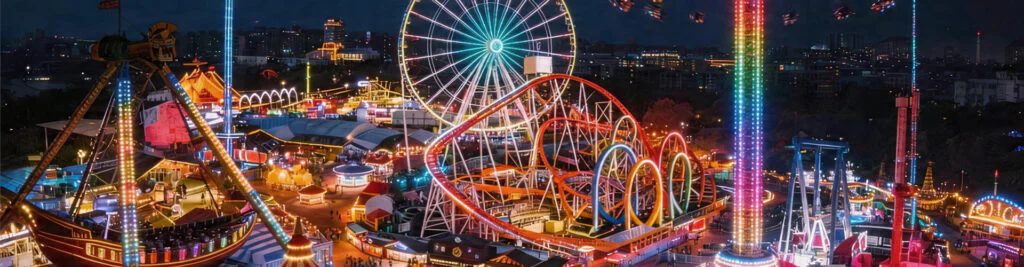
- Amusement parks
- Carnivals
- Tourist attractions
- Entertainment complexes
- Festival grounds
Their versatility and thrill factor make them a valuable addition to a wide range of venues.
Why Invest in a 360 Amusement Ride?
High Visitor Appeal
Modern visitors are constantly looking for exciting attractions that provide memorable experiences. A 360 Amusement Ride offers:
- Adrenaline-pumping thrills
- Unique ride sensations
- Social media-worthy experiences
- Strong visual impact
These factors help attract both first-time and returning guests.
Strong Revenue Potential
A well-positioned 360 ride can generate revenue through:
- Ride tickets
- Park admissions
- VIP experiences
- Event promotions
- Sponsorship opportunities
Its popularity often translates into a strong return on investment.
Types of 360 Amusement Rides
There are several categories of 360 rides available on the market.
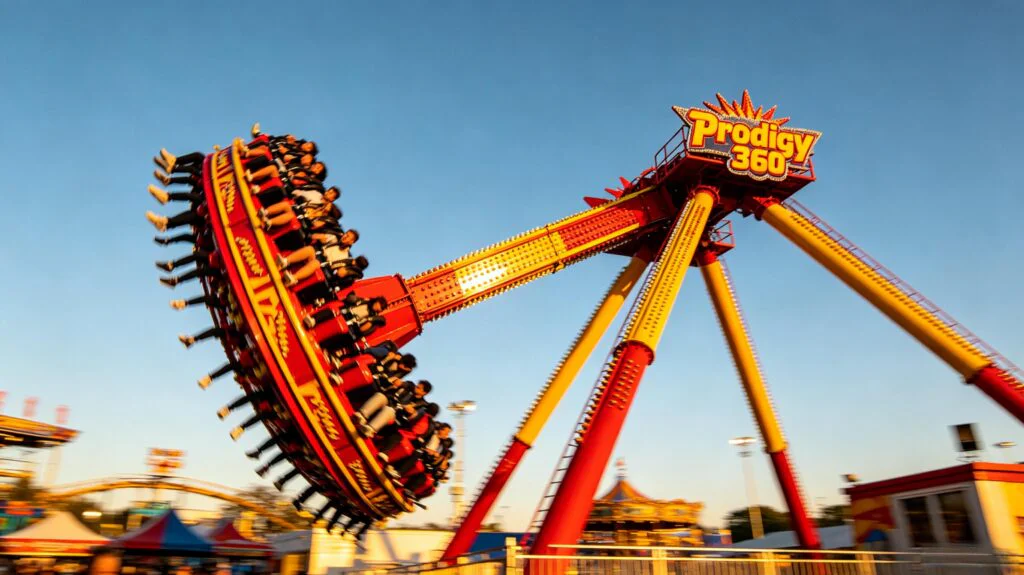
360 Big Pendulum Ride
One of the most popular thrill rides, featuring a giant swinging arm and rotating gondola.
360 Gyroscope Ride
Provides multi-axis rotation for an intense astronaut-like experience.
360 Rotating Swing Ride
Combines spinning and swinging motions for family and thrill audiences.
360 Extreme Thrill Ride
Designed for maximum excitement with advanced motion programs and high-speed rotations.
Choosing the right type depends on your target audience and venue size.
Key Features to Look For
High-Quality Structural Design
A reliable ride should feature:
- High-strength steel construction
- Precision manufacturing
- Durable protective coatings
- Long service life
These factors contribute to safety and operational reliability.
Intelligent Control Systems
Modern rides often include:
- PLC control systems
- Touchscreen operation
- Real-time diagnostics
- Automated safety monitoring
Smart controls improve efficiency and simplify operation.
Advanced LED Lighting
LED lighting enhances ride visibility and attraction value.
Popular options include:
- RGB color-changing effects
- Dynamic animations
- Music synchronization
- Custom branding displays
Nighttime operations can significantly benefit from premium lighting packages.
Typical Technical Specifications
Specifications vary according to the ride model and manufacturer.
Common Specifications
| Feature | Typical Range |
|---|---|
| Ride Height | 10–40 meters |
| Capacity | 12–40+ passengers |
| Ride Cycle | 2–5 minutes |
| Power Supply | Customized by region |
| Structure Material | High-strength steel |
| Control System | PLC-based intelligent control |
Manufacturers can often adjust specifications to suit project requirements.
How Much Does a 360 Amusement Ride Cost?
The price of a 360 Amusement Ride depends on several factors.
Estimated Price Ranges
| Ride Category | Estimated Cost |
| Small Models | $50,000 – $150,000 |
| Medium Models | $150,000 – $500,000 |
| Large Commercial Models | $500,000 – $1,500,000+ |
| Customized Premium Projects | $1,000,000 – $3,000,000+ |
Actual costs vary based on customization, shipping, and installation requirements.
Factors Affecting Purchase Price
Ride Size
Larger rides require:
- More structural materials
- Stronger foundations
- Larger motors
- More complex engineering
Passenger Capacity
Higher-capacity models generally cost more but provide greater revenue opportunities.
Customization
Custom features may include:
- Unique themes
- Custom paint schemes
- Branded graphics
- Enhanced lighting systems
Customization often improves marketing appeal and guest engagement.
Export and Installation
Shipping distance, local regulations, and installation requirements can affect total project costs.
Safety Features to Consider
Safety should always be the highest priority when purchasing any amusement ride.
Look for rides that include:
- Multi-point restraint systems
- Redundant locking mechanisms
- Emergency stop functions
- Automated fault detection
- Real-time monitoring systems
Reputable manufacturers perform extensive testing before delivery.
Choosing the Right Manufacturer
Selecting a trusted supplier is critical to project success.
Manufacturing Experience
Choose a company with:
- Proven industry expertise
- Successful project references
- Advanced production facilities
Engineering Capabilities
Review the manufacturer’s:
- Design processes
- Safety standards
- Testing procedures
- Innovation capabilities
After-Sales Support
Reliable suppliers should provide:
- Installation assistance
- Operator training
- Spare parts support
- Technical consultation
- Long-term maintenance guidance
Strong after-sales service helps maximize ride uptime and profitability.
Customization Options
Modern amusement operators increasingly prefer custom-designed attractions.
Theme Customization
Popular themes include:
- Space exploration
- Futuristic technology
- Fantasy worlds
- Adventure concepts
- Cultural themes
Branding Opportunities
Custom branding can include:
- Logos
- Corporate colors
- Sponsor graphics
- Marketing messages
These features help create a unique attraction that stands out from competitors.
Installation Requirements
Before purchasing, evaluate:
Site Space
Ensure sufficient room for:
- Ride operation
- Passenger loading
- Maintenance access
- Safety clearance zones
Foundation Construction
Most commercial rides require reinforced concrete foundations designed according to engineering specifications.
Utility Requirements
Verify:
- Electrical supply
- Site accessibility
- Drainage systems
- Emergency access routes
Proper planning ensures smooth installation and operation.
ROI and Business Benefits
A 360 Amusement Ride can contribute to business growth through:
Increased Attendance
Thrill rides often become signature attractions that draw new visitors.
Higher Guest Spending
Popular rides encourage longer visits and increased spending throughout the venue.
Marketing Advantages
Large 360 rides create:
- Strong visual landmarks
- Social media engagement
- Enhanced brand recognition
These factors support long-term profitability.
Why Many Buyers Choose Prodigy
Prodigy has earned a strong reputation in the amusement ride industry by offering:
- Advanced engineering solutions
- OEM and custom manufacturing services
- Competitive pricing
- International export experience
- Professional installation support
- Comprehensive after-sales service
These strengths help operators develop attractions that deliver exceptional guest experiences and strong business results.
Future Trends in 360 Amusement Rides
The market continues to evolve with innovations such as:
- Smart ride monitoring systems
- Predictive maintenance technology
- Energy-efficient drive systems
- Interactive multimedia experiences
- Enhanced LED lighting displays
Investing in modern technology helps operators remain competitive in an increasingly dynamic market.
Conclusion
Purchasing a 360 Amusement Ride for sale is a significant investment that can dramatically enhance the appeal and profitability of an entertainment venue. By carefully evaluating ride specifications, safety features, customization options, manufacturer expertise, and long-term operating costs, buyers can make confident investment decisions.
Whether you operate a theme park, carnival, resort, or tourist attraction, partnering with an experienced manufacturer and selecting the right ride configuration will help ensure long-term success and a memorable guest experience.