Bumper cars are one of the most popular amusement park attractions, providing fun and excitement for visitors of all ages. While they may seem simple, the technology that powers these rides is fascinating and essential for safe and smooth operation. Understanding how bumper cars get power can help amusement park enthusiasts, operators, and curious minds appreciate the engineering behind these iconic rides.
What Are Bumper Cars?
Bumper cars, also known as dodgems, are small electric vehicles designed for indoor or outdoor arenas. Riders drive these cars around a flat surface while colliding safely with other cars. They are equipped with safety features such as rubber bumpers, padded interiors, and controlled speed limits.
How Do Bumper Cars Get Power?
Bumper cars rely on electricity to operate, but the way they receive power varies depending on the type of ride. There are two main systems: the overhead power system and the floor power system.
1. Overhead Power System
The overhead power system is one of the most common ways bumper cars receive electricity. Here’s how it works:
- Conductive Ceiling Grid: The ride area has a metal mesh or conductive grid on the ceiling.
- Pole Contact: Each bumper car has a pole attached to the back that touches the ceiling grid.
- Electric Circuit: The pole connects the car to a positive current while the floor is typically grounded, completing the circuit.
- Motor Activation: Electricity flows into the car’s electric motor, powering the wheels and allowing it to move.
This system is efficient and allows cars to move freely without complex flooring. It is often used in large indoor arenas.
2. Floor Power System
In some modern bumper cars, electricity is supplied through the floor rather than the ceiling:
- Conductive Floor and Ceiling: The floor is divided into metal strips or plates carrying positive and negative electrical currents.
- Brushes on the Car: The cars have metal brushes or contacts underneath that touch the floor plates.
- Closed Circuit: As the car moves over the conductive strips, it completes the electric circuit, powering the motor.
Floor-powered systems are ideal for smaller arenas or outdoor attractions where overhead space is limited.
3. Rechargeable Battery Bumper Cars
Some newer bumper car models use rechargeable batteries instead of direct electrical connections:
- Battery Pack: Each car contains a rechargeable battery that stores electricity.
- Charging Station: Cars are charged at a central station when not in use.
- Electric Motor Drive: The stored electricity powers the electric motor for the duration of the ride.
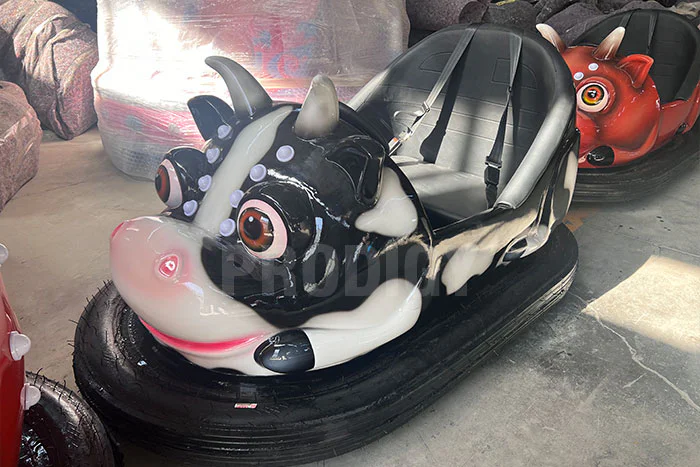
Battery-powered bumper cars are quieter, safer, and more flexible in layout, making them popular for family entertainment centers and temporary carnival setups.
Key Components That Power Bumper Cars
Understanding how bumper cars get power also involves knowing the main components:
- Electric Motor: Converts electrical energy into mechanical motion.
- Power Supply System: Delivers electricity to the car through poles, floor plates, or batteries.
- Control System: Regulates speed, braking, and steering.
- Conductive Elements: Poles, brushes, or battery connections that complete the electrical circuit.
Safety Considerations
Since bumper cars rely on electricity, safety is crucial:
- Low Voltage: Most rides operate at low voltages to prevent shocks.
- Insulated Components: Poles, floor plates, and wiring are insulated.
- Overcurrent Protection: Circuit breakers or fuses prevent electrical overloads.
- Regular Maintenance: Ensures all electrical contacts and motors function safely.
Why Understanding Power Systems Matters
Knowing how bumper cars get power helps:
- Operators maintain the ride safely.
- Engineers design more efficient and durable rides.
- Amusement enthusiasts appreciate the technology behind the fun.
Conclusion
Bumper cars get power through overhead electrical grids, conductive floors, or rechargeable batteries. Each system has its advantages, from flexibility in layout to ease of maintenance and safety. Whether at a large theme park or a local family entertainment center, the next time you ride a bumper car, you can marvel at the clever engineering that keeps the fun rolling.
Frequently Asked Questions
How do bumper cars move without fuel?
Bumper cars use electricity, not gasoline or diesel. The electric motor receives power from overhead grids, conductive floors, or batteries.
Are bumper cars safe with electricity?
Yes. They operate at low voltages with insulated components and circuit protections to ensure rider safety.
Can bumper cars work outdoors?
Yes, but outdoor rides often use battery-powered or specialized conductive floor systems to avoid weather-related issues.
How long do battery-powered bumper cars last?
Modern rechargeable battery bumper cars typically run for 4–8 hours per charge, depending on motor size and usage.
What is the most common power system for bumper cars?
The overhead power system remains the most widely used, especially in large indoor arenas, due to its efficiency and simplicity.