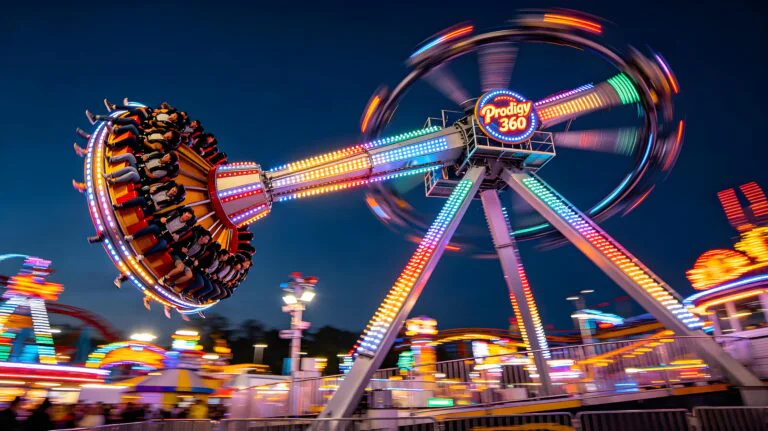
Planning a trip to an amusement park is exciting, but without a solid strategy, it can quickly become overwhelming—long lines, missed rides, and unnecessary expenses. Whether you’re visiting Disney World, Universal Studios, or a local theme park, smart amusement park planning can save you time, money, and stress.
This guide walks you through every stage of the process, from choosing the right date to navigating the park like a pro.
Why Amusement Park Planning Matters
Without planning, you risk:
- Waiting 60–90 minutes for popular rides
- Missing shows or parades
- Overspending on food, tickets, or parking
- Leaving exhausted without seeing half the park
A good plan maximizes fun while minimizing frustration.
Step 1: Choose the Best Date for Your Visit
Timing is everything. Park crowds vary dramatically by season, day of the week, and even weather.
Best Times to Visit
- Low season: Weekdays in January, February, September, and early November
- Moderate season: Weekdays in March, April, May, and October
- Peak season: Holidays, summer break (June–August), and spring break weeks
What to Avoid
- Holiday weekends (Memorial Day, July 4th, Labor Day)
- Local school vacation weeks
- Special event opening days (new ride launches)
Pro tip: Use online crowd calendars (e.g., Undercover Tourist or Queue Times) to predict busy days.
Step 2: Set a Realistic Budget
Amusement parks are expensive, but planning helps control costs.
Ticket Costs
- Buy online in advance – saves 10–20% vs. gate prices
- Look for multi-day discounts (cheaper per day)
- Check membership programs (AAA, Costco, employer perks)
Additional Expenses to Include
| Category | Typical Cost Range |
|---|---|
| Parking | $20–$40 per day |
| Food & drinks | $15–$25 per meal |
| Souvenirs | $15–$60+ |
| Fast passes | $50–$150+ per person |
| Lockers | $8–$15 per day |
Total budget for a family of four: $500–$1,200 per day, depending on park and extras.
Step 3: Book Accommodation and Transportation
Where you stay affects your park experience.
On-Site vs. Off-Site Hotels
- On-site: Shorter commute, early park entry, free transportation – but pricier.
- Off-site: Lower cost, more space – but need to drive/shuttle.
Transportation Options
- Park shuttle (free for some hotels)
- Rideshare (Uber/Lyft) – good for avoiding parking fees
- Driving – convenient but watch for parking costs and traffic
Tip: If staying off-site, book a hotel within 5 miles to reduce travel time.
Step 4: Create a Park Strategy (Before You Arrive)
Don’t just show up – have a plan.
Download the Park App
Most parks have official apps showing:
- Real-time wait times
- Ride closures
- Mobile food ordering
- Show schedules
- Digital maps
Prioritize Rides
Make a “must-do” list (3–5 attractions).
- Hit the most popular ride first thing in the morning
- Save less popular or smaller rides for midday crowds
Plan Your Route
Group attractions by zone. Example for Magic Kingdom:
- Morning: Fantasyland (Peter Pan, Mine Train)
- Late morning: Tomorrowland (Space Mountain)
- Afternoon: Adventureland (Jungle Cruise)
- Evening: Frontierland (Big Thunder)
Step 5: Pack Smart – The Amusement Park Essentials
Packing correctly saves time and money inside the park.
What to Bring
✅ Comfortable walking shoes (broken in)
✅ Light backpack or fanny pack
✅ Reusable water bottle (refill at fountains)
✅ Portable charger + cable
✅ Poncho or umbrella (rain is common)
✅ Sunscreen + hat
✅ Hand sanitizer
✅ Snacks (granola bars, fruit – check park rules)
What NOT to Bring
❌ Large backpacks or coolers
❌ Selfie sticks (banned in many parks)
❌ Expensive jewelry
❌ Outside alcohol
Step 6: Arrive Early – Even Before Opening
This is the single most effective tip for amusement park planning.
The “Rope Drop” Strategy
- Arrive 45–60 minutes before official opening
- Be near the entrance when gates open
- Run/walk quickly to the most popular ride
- You can often ride 2–3 big attractions before lines build
Example: Arrive at 8:15 AM for a 9:00 AM opening → ride top coaster twice before 9:30 AM.
Step 7: Use Time-Saving Tools
Don’t waste hours in line when you can plan around it.
Skip-the-Line Systems
Many parks offer paid or free virtual queues:
- Disney Genie+ – paid, lets you book Lightning Lanes
- Universal Express – paid priority access
- Virtual queues – free but require early booking (e.g., Rise of the Resistance)
Single Rider Lines
If you don’t mind splitting up, single rider lines cut wait times by 50–80%.
Mobile Food Ordering
Order lunch at 10:30 AM for pickup at 12:00 PM – skip the food line entirely.
Step 8: Build in Breaks
Amusement parks are physically demanding. Avoid burnout.
- Morning: 3–4 hours of rides
- Midday break: Lunch + rest (find shade or indoor show)
- Afternoon: 2–3 hours + water rides
- Evening: Shows, night rides, fireworks
For families with kids: Leave the park between 1–4 PM for a nap/swim break, then return for evening fun.
Step 9: Handle Food and Hydration
Park food is expensive, but you can eat smart.
Best Value Meals
- Share large portions (e.g., pizza, chicken tenders)
- Kids’ meals are often cheaper and sufficient for adults
- Bring refillable water bottles (free ice water at any food stand)
Worst Value
- Bottled soda ($5+)
- Pre-packaged snacks ($6–$8)
- Sit-down restaurants (time-consuming and costly)
Step 10: End the Day Right
How you finish matters as much as how you start.
- Watch the night show/fireworks from a less crowded spot (near exits)
- Leave 15 minutes before closing to beat traffic
- Check lost & found before leaving if you lost something
- Review your day – note what worked for next time
Sample Amusement Park Planning Timeline
| When | Action |
|---|---|
| 2–3 months before | Choose dates, book hotel, buy tickets |
| 1 month before | Research rides, download app, set budget |
| 1 week before | Check weather, pack bag, plan route |
| 1 day before | Charge devices, eat well, sleep early |
| Park day | Arrive early, follow plan, take breaks |
Common Amusement Park Planning Mistakes to Avoid
❌ Buying tickets at the gate – more expensive and slower
❌ Overpacking – heavy bags slow you down
❌ No backup plan for rain – many rides close in storms
❌ Skipping the app – you lose real-time data
❌ Trying to do everything – impossible; focus on priorities
FAQs About Amusement Park Planning
How early should I arrive at an amusement park?
At least 45–60 minutes before opening for rope drop.
Is it cheaper to buy amusement park tickets online?
Yes – usually 10–20% cheaper than at the gate.
Can I bring my own food into an amusement park?
Most parks allow small snacks and water bottles but prohibit large coolers or glass containers.
What is the best day to go to an amusement park?
Tuesday, Wednesday, or Thursday – avoid weekends and Mondays (some rides closed for maintenance).
Do I need a fast pass?
If visiting during peak season or with limited time – yes. Otherwise, plan strategically without one.
Final Thoughts: Enjoy the Experience
Amusement park planning isn’t about rigid schedules – it’s about removing friction so you can have fun. A little preparation goes a long way. Follow these steps, stay flexible, and remember to enjoy the moments between the rides.
Now you know how to do amusement park planning like a pro. Go have the day you deserve.