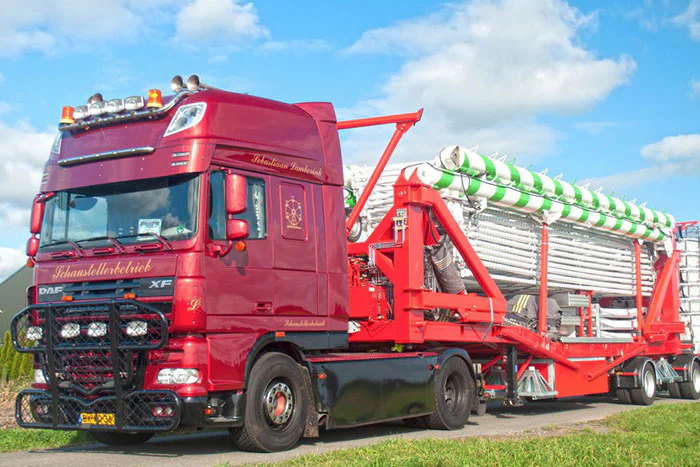
Operating portable trailer rides is a lucrative business, but understanding maintenance costs is crucial for long-term profitability. These mobile amusement attractions require regular upkeep to ensure safety, reliability, and an enjoyable rider experience. From routine inspections to repairs and parts replacement, maintenance is a significant component of overall operating expenses.

Why Maintenance Is Important for Portable Trailer Rides
Maintenance is not just a legal or safety requirement; it directly affects:
- Rider safety and satisfaction
- Operational reliability during events
- Longevity of the ride and return on investment
- Compliance with local and national safety standards
Well-maintained rides reduce the risk of breakdowns, costly repairs, and potential liability issues.
Key Factors Affecting Maintenance Costs
Several factors influence the cost of maintaining portable trailer rides:
1. Ride Type and Complexity
- Thrill rides like pendulum or spinning rides have more moving parts and hydraulic systems, increasing maintenance costs.
- Family or children’s rides, such as carousels or mini Ferris wheels, usually require less frequent servicing and lower costs.
2. Ride Size and Capacity
- Larger rides with higher seating capacities often involve more components to inspect and maintain.
- More complex electrical and mechanical systems increase labor time and parts costs.
3. Frequency of Use
- Rides operating daily or at multiple events per week experience more wear and tear.
- Higher usage leads to more frequent inspections, lubrication, and component replacement.
4. Transportation and Setup
- Trailer-mounted rides are designed for mobility, but repeated loading, towing, and setup can accelerate wear on tires, brakes, joints, and hitch components.
- Proper handling and inspection during setup reduce long-term maintenance costs.
5. Environmental Factors
- Exposure to weather elements such as rain, sun, and humidity can impact paint, metal components, and electrical systems.
- Outdoor storage, particularly without covers or shelters, may increase maintenance needs.
Typical Maintenance Tasks and Costs
Routine Inspections
- Daily inspections: $50–$100 per ride (labor cost if outsourced)
- Check safety restraints, electrical connections, ride structure, and moving parts
Lubrication and Mechanical Servicing
- Bearings, chains, and gears require regular lubrication
- Cost: $100–$300 per month per ride depending on size
Electrical and Lighting Maintenance
- LED lights, sound systems, and control panels require periodic testing and repair
- Cost: $50–$200 per month
Structural Repairs and Refurbishment
- Steel frames, ride platforms, and trailers may require repainting, welding, or part replacement over time
- Cost: $500–$2,000 annually for small rides; larger thrill rides may cost $5,000+
Tires and Trailer Components
- Trailer tires, brakes, and suspension components need replacement and servicing
- Cost: $200–$1,000 annually depending on trailer size
Spare Parts Replacement
- Restraints, gondolas, motors, or hydraulic systems may fail or wear out
- Cost: $100–$2,000 per part depending on ride type
Average Annual Maintenance Costs by Ride Type
| Ride Type | Annual Maintenance Cost (USD) | Notes |
|---|---|---|
| Mini Ferris Wheel | $1,000 – $3,000 | Small size, limited mechanical parts |
| Carousel | $1,500 – $4,000 | Moderate upkeep for motors and decorations |
| Samba/Spinning Ride | $2,000 – $6,000 | Frequent moving parts, hydraulic systems |
| Pendulum/Thrill Ride | $3,000 – $10,000+ | High-maintenance hydraulic & safety systems |
| Portable Roller Coaster | $5,000 – $15,000+ | Complex mechanics, higher capacity |
Note: Costs vary depending on manufacturer, usage frequency, and operator maintenance practices.
Tips to Minimize Maintenance Costs
- Follow Manufacturer Guidelines
- Adhering to recommended inspection schedules and lubrication intervals prevents costly failures.
- Train Operators and Staff
- Proper operation reduces unnecessary wear and accidental damage.
- Schedule Preventive Maintenance
- Regular servicing prevents minor issues from becoming major repairs.
- Use Quality Replacement Parts
- Original manufacturer parts maintain performance and reduce repair frequency.
- Store Rides Properly
- Cover rides or store indoors to protect from weather-related deterioration.
- Document Maintenance Records
- Helps track costs, warranty claims, and ensures regulatory compliance.
Return on Investment Considerations
While maintenance adds to operating costs, it also:
- Extends ride lifespan, often exceeding 10–20 years
- Reduces unexpected downtime, increasing revenue potential
- Maintains high safety and satisfaction standards, which encourages repeat riders
By budgeting for maintenance, operators protect their investment and ensure continuous operation across multiple events or seasons.