


Safety is the foundation of every successful amusement operation. As the global demand for movable amusement equipment continues to grow, manufacturers and operators must prioritize safety at every stage of design, transportation, installation, operation, and maintenance. Modern portable rides are expected to deliver exciting experiences while meeting strict safety requirements that protect passengers, operators, and event organizers.
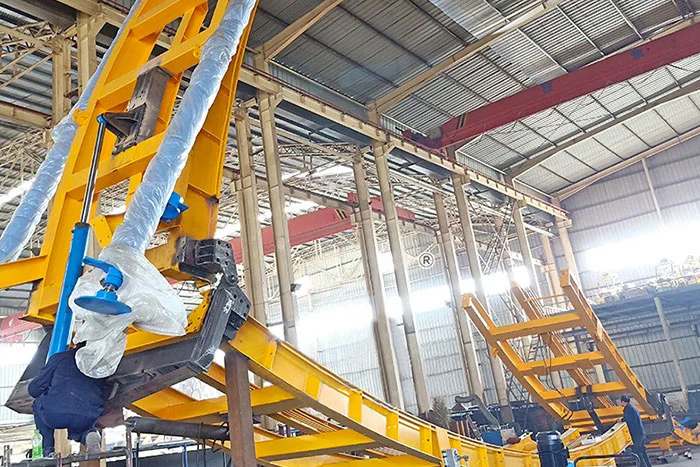
Whether operating a mobile Ferris wheel, trailer-mounted swing ride, portable pirate ship, trackless train, or high-thrill pendulum ride, compliance with recognized safety standards is essential for maintaining public trust and ensuring long-term business success.
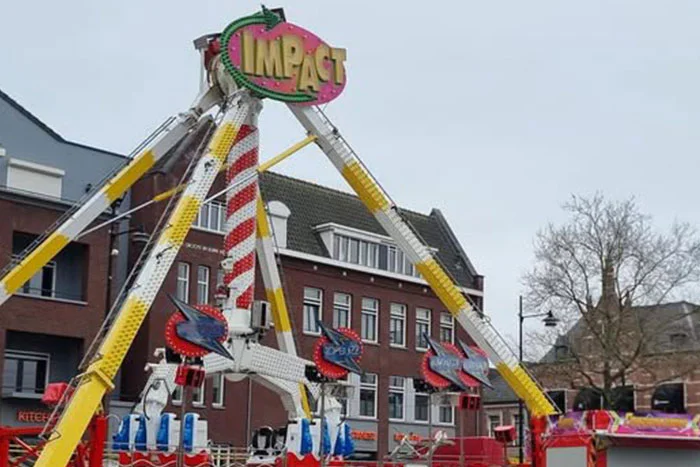
What Is Movable Amusement Equipment?
Movable amusement equipment refers to amusement rides and attractions designed for transportation and operation at multiple locations.
Examples include:
- Mobile Ferris wheels
- Trailer-mounted swing rides
- Portable carousel rides
- Mobile pirate ships
- Portable pendulum rides
- Flying UFO rides
- Trackless trains
- Bumper cars
Because these attractions are frequently assembled, disassembled, and transported, they require specialized safety measures beyond those used for permanent installations.
Why Safety Standards Matter
Safety standards provide a framework for:
- Protecting passengers
- Reducing accident risks
- Ensuring ride reliability
- Improving operator confidence
- Supporting regulatory compliance
- Protecting business reputation
Strong safety practices help operators minimize downtime, reduce liability risks, and create positive guest experiences.
1. Structural Integrity Standards
The structural framework is one of the most critical aspects of movable amusement equipment safety.
Key Requirements
Modern rides should be designed to withstand:
- Dynamic passenger loads
- Wind forces
- Repeated transportation stress
- Continuous operational cycles
Structural Safety Features
Manufacturers often incorporate:
- Reinforced steel structures
- High-strength welds
- Corrosion-resistant materials
- Fatigue-tested components
Regular structural inspections help identify wear, cracks, or damage before they become safety concerns.
2. Passenger Restraint Systems
Effective restraint systems are essential for protecting riders during operation.
Common Safety Restraints
- Lap bars
- Shoulder restraints
- Safety belts
- Locking harnesses
- Secondary restraint mechanisms
Modern Improvements
Advanced rides often include:
- Automatic restraint verification
- Sensor-based locking systems
- Redundant safety locks
These technologies reduce the risk of accidental restraint failure.
3. Electrical Safety Standards
Modern movable amusement rides rely heavily on electrical systems for operation, lighting, and control.
Electrical Safety Measures
- Insulated wiring systems
- Weather-resistant connectors
- Circuit protection devices
- Ground fault protection
- Emergency power shutdown systems
Electrical systems should be inspected regularly to prevent faults and maintain operational reliability.
4. Hydraulic and Mechanical Safety
Many portable amusement rides use hydraulic and mechanical systems to generate movement.
Safety Requirements
Operators should inspect:
- Hydraulic hoses
- Cylinders
- Pumps
- Bearings
- Gear systems
- Rotating assemblies
Routine maintenance reduces the risk of equipment failure and improves ride performance.
Preventive Maintenance Benefits
- Extended equipment lifespan
- Reduced downtime
- Improved safety performance
- Lower repair costs
5. Emergency Stop Systems
Every modern movable amusement ride should include reliable emergency stop mechanisms.
Purpose of Emergency Stops
Emergency stop systems allow operators to:
- Immediately halt ride operation
- Respond to unexpected situations
- Protect passengers during emergencies
Key Features
- Easily accessible controls
- Clearly marked locations
- Reliable activation systems
- Routine functionality testing
Emergency stop systems are a critical component of ride safety management.
6. Transportation Safety Standards
Movable amusement equipment experiences unique stresses during transportation.
Transportation Safety Measures
Before transport, operators should:
- Secure moving components
- Lock ride mechanisms
- Verify trailer integrity
- Inspect tires and braking systems
- Protect electrical equipment
Post-Transport Inspections
After arriving at a venue, operators should conduct comprehensive inspections before ride assembly.
This helps identify damage caused during transportation.
7. Installation and Setup Safety
Proper installation is essential for safe operation.
Setup Requirements
Operators should verify:
- Ground stability
- Equipment leveling
- Anchor systems
- Structural connections
- Safety barriers
Benefits of Proper Setup
- Increased ride stability
- Reduced operational risks
- Improved passenger confidence
Incorrect installation is one of the most common causes of avoidable ride safety issues.
8. Operator Training Standards
Well-trained operators are a crucial part of amusement ride safety.
Training Programs Should Include
- Ride operation procedures
- Passenger loading protocols
- Emergency response procedures
- Daily inspection requirements
- Maintenance awareness
Properly trained staff can identify issues quickly and respond effectively to operational challenges.
9. Daily Inspection Protocols
Routine inspections are among the most effective safety practices.
Daily Inspection Checklist
Operators should inspect:
- Restraint systems
- Structural components
- Electrical systems
- Hydraulic equipment
- Control systems
- Emergency stop functions
Daily inspections help prevent minor issues from developing into major safety concerns.
10. Safety Signage and Passenger Information
Clear communication improves both safety and guest experience.
Important Information to Display
- Height requirements
- Health restrictions
- Rider instructions
- Emergency procedures
- Safety warnings
Visible signage helps passengers understand ride requirements and promotes safer operation.
11. Weather Monitoring Procedures
Many movable amusement rides operate outdoors where weather conditions can affect safety.
Environmental Factors to Monitor
- High winds
- Lightning
- Heavy rain
- Extreme temperatures
Weather Safety Practices
Operators should establish clear procedures for:
- Ride shutdowns
- Evacuations
- Equipment protection
Weather monitoring reduces environmental risks and improves operational safety.
12. Advanced Monitoring and Smart Safety Technology
Modern amusement equipment increasingly incorporates smart technologies.
Examples Include
- Real-time diagnostics
- Sensor-based monitoring
- Predictive maintenance systems
- Automated safety checks
Benefits
- Early fault detection
- Reduced downtime
- Improved operational efficiency
- Enhanced passenger safety
Technology is becoming an important tool for maintaining high safety standards.
Common Safety Mistakes to Avoid
Skipping Inspections
Routine inspections should never be overlooked.
Delaying Repairs
Minor issues can quickly become major problems if left unresolved.
Inadequate Staff Training
Poor training increases the likelihood of operational errors.
Ignoring Manufacturer Guidelines
Always follow manufacturer recommendations regarding maintenance, transportation, and operation.
Future Trends in Amusement Ride Safety
The future of movable amusement equipment safety is expected to include:
Increased Automation
- Automated safety diagnostics
- Intelligent monitoring systems
- Real-time performance analysis
Enhanced Materials
- Stronger lightweight alloys
- Corrosion-resistant structures
- Improved durability
Digital Maintenance Management
- Cloud-based inspection records
- Predictive maintenance alerts
- Remote technical support
These innovations will continue improving safety and reliability throughout the industry.
Conclusion
Safety remains the most important factor in the successful operation of movable amusement equipment. Modern safety standards encompass structural integrity, passenger restraint systems, electrical safety, hydraulic performance, transportation procedures, operator training, and advanced monitoring technologies.
By implementing rigorous safety practices and maintaining compliance with industry standards, amusement operators can protect guests, improve reliability, and maximize the lifespan of their equipment. As technology continues to evolve, the future of movable amusement equipment will become even safer, more efficient, and more dependable for operators and riders alike.


