

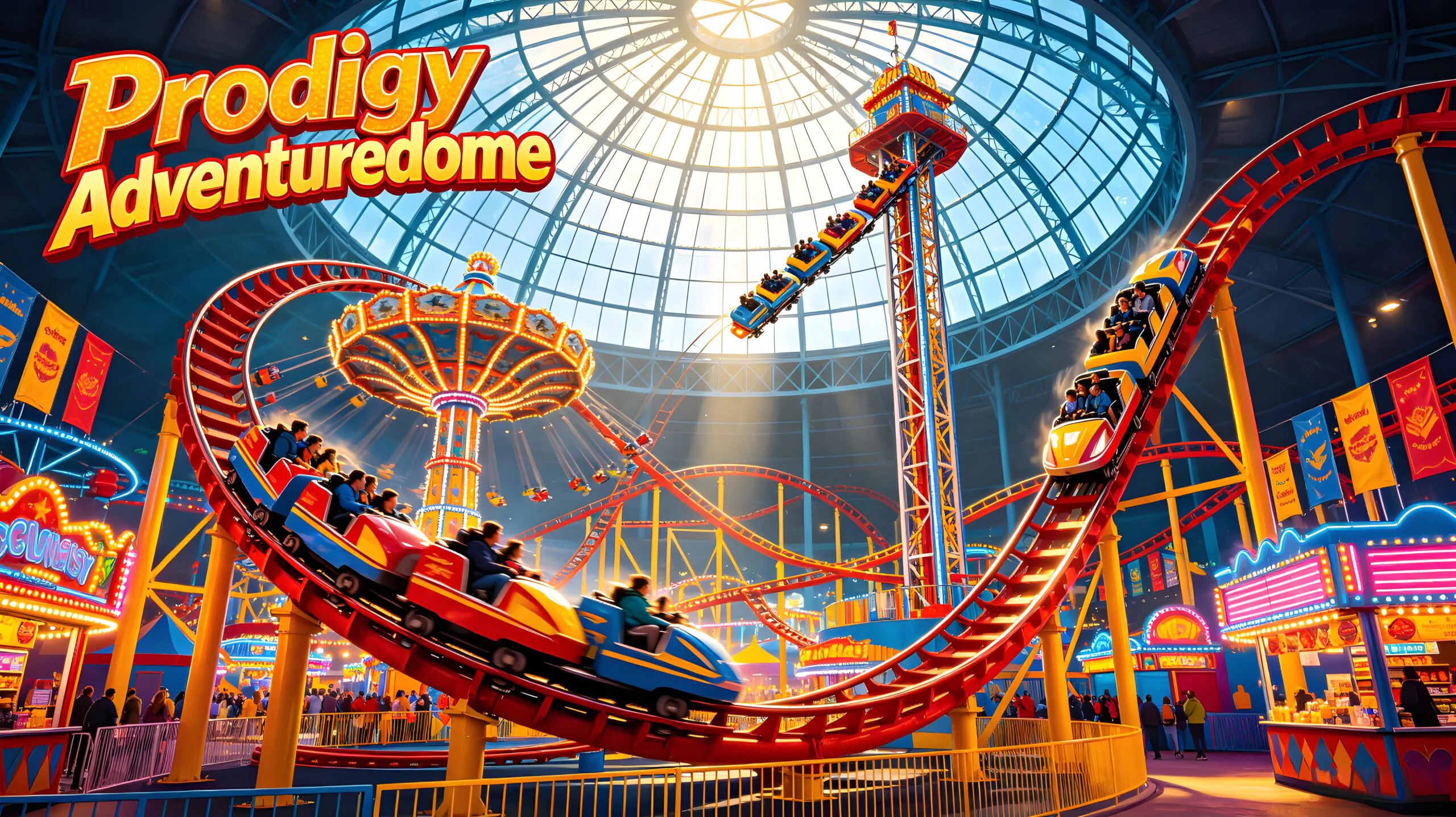
Building a roller coaster is a major investment for amusement parks, theme parks, resorts, and entertainment centers. The cost can vary widely depending on the ride type, size, materials, and complexity. Understanding the factors that influence pricing is essential for making an informed decision. In this article, we’ll explore the full breakdown of roller coaster construction costs, including installation, maintenance, and revenue potential.
Average Cost of Building a Roller Coaster
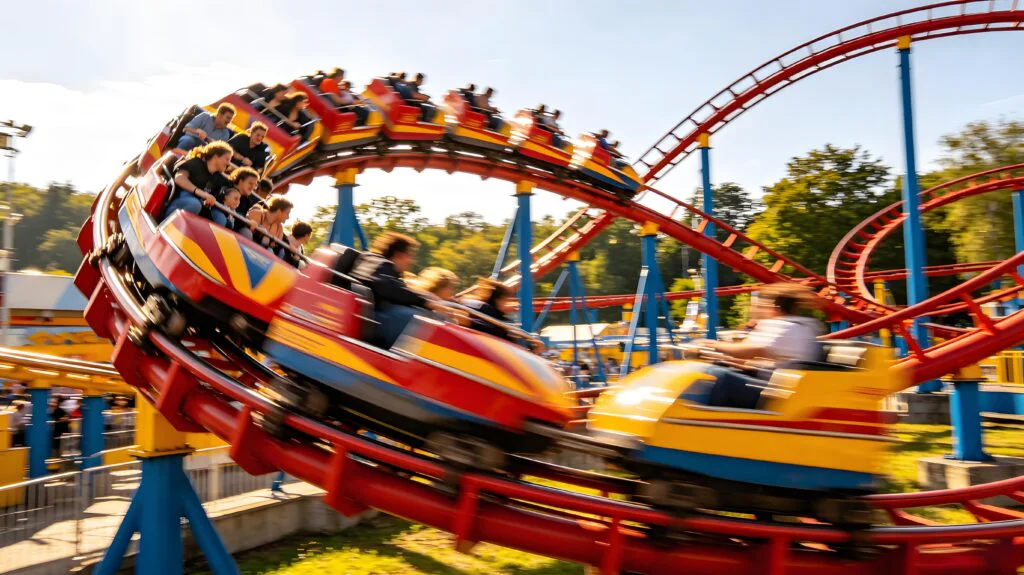
Roller coaster prices range from affordable kiddie rides to multi-million-dollar thrill machines. Here’s a general overview:
| Roller Coaster Type | Average Cost to Build |
|---|---|
| Kiddie / Mini Coaster | $30,000 – $500,000 |
| Steel Family Coaster | $500,000 – $2 million |
| Standard Steel / Looping Coaster | $2 million – $15 million |
| Large Wooden Roller Coaster | $3 million – $10 million |
| High-Thrill Megacoaster | $10 million – $25 million+ |
| Custom Themed / Luxury Coaster | $20 million – $100 million+ |
The cost depends heavily on ride complexity, track length, and theming.
Key Factors That Affect Roller Coaster Costs
1. Type of Coaster
- Steel vs. Wooden: Steel coasters are flexible, allow loops and inversions, and often cost more per foot. Wooden coasters are less expensive but require more maintenance.
- Kiddie vs. Thrill Coaster: Family or kiddie coasters are smaller and cheaper. Thrill rides with high speeds and inversions dramatically increase costs.
2. Track Length and Layout
Longer tracks with multiple elements like loops, drops, and turns require:
- More steel or wood
- Advanced engineering
- Stronger foundations
- Additional supports
The longer and taller the coaster, the higher the construction cost.
3. Ride Capacity and Vehicles
High-capacity rides need more trains, larger cars, and more sophisticated braking systems. While initial costs are higher, a higher-capacity coaster generates more revenue over time.
4. Theming and Custom Features
Themed roller coasters can include:
- Custom vehicles
- Animatronics
- Lighting and sound systems
- Special effects like water, fire, or fog
Theming can increase costs by 50% to 200%, depending on complexity.
5. Location and Installation
- Indoor vs. Outdoor: Indoor coasters often require custom designs to fit space constraints.
- Site Preparation: Includes excavation, foundations, and concrete work.
- Permits and Safety Inspections: Local regulations may require costly certifications.
Installation costs usually add 10–30% of the ride’s purchase price.
Breakdown of Additional Costs
Shipping
Roller coasters are heavy, often shipped in containers. International shipments can cost hundreds of thousands of dollars, depending on size and distance.
Maintenance
Annual maintenance includes:
- Track and wheel inspections
- Lubrication
- Electrical and control system checks
- Staff training
Maintenance costs for a standard steel coaster range from $50,000 to $200,000 per year. Wooden coasters often require more frequent upkeep.
Insurance and Safety
Roller coasters require insurance coverage for accidents, liability, and property damage. Costs depend on coaster type, speed, and capacity. Safety inspections may also be mandated annually or before opening.
Cost of Popular Roller Coaster Types
| Coaster Type | Price Range | Notes |
|---|---|---|
| Family / Kiddie Coaster | $30,000 – $500,000 | Perfect for small parks or indoor venues |
| Steel Coaster with Loops | $2M – $10M | Includes multiple inversions and mid-level thrill elements |
| Wooden Coaster | $3M – $10M | Classic ride style; maintenance-intensive |
| Mega / Hyper Coaster | $10M – $25M+ | High-speed thrill rides over 200 ft tall |
| Custom Themed Coaster | $20M – $100M | Often part of a full park attraction or IP license |
Profitability Considerations
While roller coasters are expensive to build, they can drive massive revenue:
- Ticket Sales: Main source of income.
- Merchandise: Themed coasters attract fans who buy souvenirs.
- Park Attendance: Signature coasters increase overall park traffic.
- Sponsorships / Partnerships: Some parks offset costs through branding deals.
High-quality coasters often generate revenue for 10–30+ years, making them long-term investments.
Tips for Reducing Costs
- Start Small: Consider a kiddie or family coaster for limited budgets.
- Buy Used: Some parks sell retired rides at reduced prices.
- Limit Theming: Reduce unnecessary special effects or animatronics.
- Plan Efficiently: Optimize track layout to minimize steel or wood usage.
- Choose Trusted Manufacturers: Reliable suppliers reduce maintenance costs and downtime.
Roller Coaster Cost FAQ
Q1: How much does it cost to build a roller coaster for kids?
- $30,000 – $500,000 depending on size and features.
Q2: What is the most expensive type of roller coaster?
- Custom-themed mega coasters or IP-based rides, costing $20M – $100M+.
Q3: How long does a roller coaster last?
- Steel coasters: 20–30 years or more with proper maintenance.
- Wooden coasters: 15–25 years with higher maintenance.
Q4: Can a roller coaster make money?
- Yes. High-capacity or signature rides can significantly increase park revenue.
Q5: Is installation included in the cost?
- Usually not. Installation, shipping, and site preparation are additional expenses.
Final Thoughts
Building a roller coaster is a significant investment that ranges from tens of thousands for small kiddie rides to tens of millions for custom mega coasters. Costs are influenced by coaster type, size, capacity, theming, and installation requirements.
For amusement parks, resorts, and entertainment centers, the right coaster can generate long-term revenue, boost attendance, and become a signature attraction. Careful planning, budgeting, and choosing the right manufacturer are crucial for maximizing both safety and profitability.
2026 Roller Coaster Cost Per Foot Table
| Coaster Type | Material | Typical Height | Track Length | Estimated Cost | Cost Per Foot |
|---|---|---|---|---|---|
| Kiddie Coaster | Steel | 3–10 ft | 300–600 ft | $30,000 – $60,000 | $100 – $200/ft |
| Family Mini Coaster | Steel | 10–20 ft | 400–800 ft | $100,000 – $500,000 | $250 – $625/ft |
| Indoor Compact Coaster | Steel | 15–25 ft | 500–1,000 ft | $200,000 – $1,000,000 | $400 – $1,000/ft |
| Small Wooden Coaster | Wood | 15–25 ft | 600–1,000 ft | $500,000 – $1,500,000 | $830 – $1,500/ft |
| Standard Steel Looping Coaster | Steel | 50–100 ft | 2,000–4,000 ft | $2M – $10M | $1,000 – $2,500/ft |
| Large Wooden Coaster | Wood | 60–100 ft | 2,500–5,000 ft | $3M – $10M | $1,200 – $2,000/ft |
| Hyper / Mega Coaster | Steel | 150–300 ft | 3,000–6,000 ft | $10M – $25M | $3,300 – $4,200/ft |
| Custom Themed / IP Coaster | Steel & Theming | 50–300 ft | 2,500–6,000 ft | $20M – $100M | $8,000 – $20,000/ft |
Notes on the Table
- Kiddie and Family Coasters: Designed for children or indoor spaces, costs per foot are lower due to simple layouts, short tracks, and minimal structural requirements.
- Wooden Coasters: Require more support and regular maintenance, raising the cost per foot compared to steel family coasters.
- Steel Looping Coasters: Higher speeds, inversions, and thrill elements increase structural requirements and cost per foot.
- Hyper/Mega Coasters: Tall heights, long tracks, and high-speed dynamics drive costs above $3,000 per foot.
- Custom / IP Coasters: Full theming, animatronics, and intellectual property licensing can make costs skyrocket, sometimes exceeding $20,000 per foot.


