When we think of rides for children with developmental challenges, it is not about removing the fun—it is about providing the right kind of stimulation. The focus is on predictable movement, adjustable sensory inputs, and universal access.
- Wheelchair-Accessible Carousels and Swings:
The classic carousel gets an inclusive makeover. At parks like Morgan’s Wonderland in Texas, the world’s first “ultra-accessible” theme park, carousels feature chariots that can accommodate wheelchairs and horses with high-back cushions for children who need extra support. Similarly, “Joys’ Happy Swing” is a giant, wheelchair-accessible swing that can hold up to nine guests, offering a gentle soaring sensation without the jerky movements of more intense rides.
- Sensory-Friendly Train Rides:
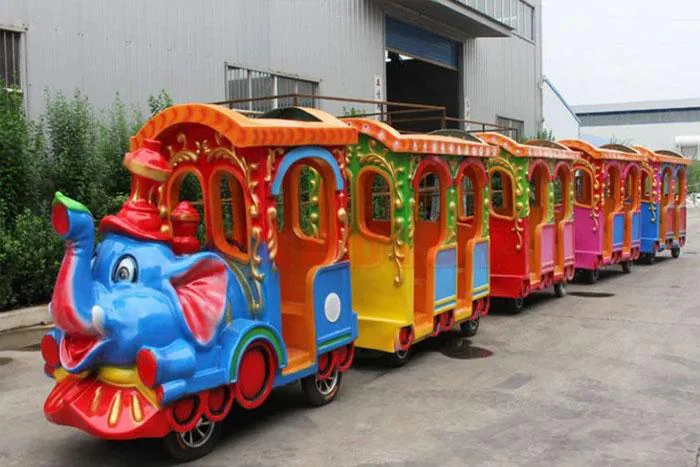
Often a favorite for children with autism, a slow, predictable train ride provides a sense of journey and exploration without overwhelming the senses. Parks like LEGOLAND and Morgan’s Wonderland offer accessible train rides that are wheelchair-friendly. The gentle rhythm and the ability to see the park from a safe, contained environment can be incredibly calming and enjoyable.
- Sensory Guides: The Game-Changer for Planning
Perhaps the most crucial innovation isn’t a ride at all, but the tools to choose one. World-class parks like Sesame Place (the world’s first Certified Autism Center™), all Six Flags properties, and LEGOLAND now provide detailed Sensory Guides for every attraction. These guides rate each ride on a scale for each sense: noise level, visual stimulation (flashing lights, darkness), tactile sensations, and even smell. This allows parents to create a custom, safe plan for their child long before they even enter the park gates. For example, a parent can see that a spinning swing ride has a noise rating of 4/10, but the carousel is only a 3/10 for sound. - Adaptive and Interactive Rides:
Parks are innovating with rides that welcome physical diversity. At Morgan’s Wonderland, “Jette’s Wonder Bikes” has six flying cars equipped with both pedals and hand cranks, so children with limited leg mobility can still make their car swoop up and down. The “WingZ of Wonder” is a 39-foot swing tower where riders control their ascent by flapping their arms; if a child cannot do this, a companion can flap for them.

- Low-Sensory Zones and Calming Rooms:
Knowing a break is always nearby is a huge comfort. Parks now feature dedicated Quiet Rooms with dimmable lights, soft seating, and sensory toys, providing an escape from the park’s bustle. Dollywood was a pioneer in this area, opening one of the first calming rooms for families seeking a quiet refuge. These spaces acknowledge that a successful park visit isn’t a marathon, but a series of manageable, enjoyable moments.
Beyond the Ride: Why These Attractions are a Resounding Success
The popularity of these rides and parks extends far beyond their innovative design. They resonate deeply with a community that has often felt excluded.
- The Power of Predictability and Control
For many children with developmental issues, the world can feel chaotic and unpredictable. Sensory overload occurs when the brain receives more input than it can process. These specialized rides offer a controlled environment where the sensory inputs are predictable. Modifications are simple but significant—like turning off loud music, stopping flashing lights, or lowering the volume of bells, which the Spokane Looff Carrousel did for a sensory-friendly event to create a relaxing environment. This sense of control turns anxiety into anticipation. - Family Inclusion and Peace of Mind
Before these parks existed, a family outing was often a stressful gamble. Would their child have a meltdown? Would they be stared at? Now, families can visit places like Morgan’s Wonderland—where three out of every four visitors do not have a disability—knowing their child is not just accommodated but welcomed. This shared experience strengthens family bonds, allowing siblings to play together without stigma. - Therapeutic Benefits Disguised as Fun
Beneath the surface of the fun lies real therapeutic value.- Motor Skills: Operating a hand crank on a bike ride builds fine motor skills. Balancing on a moving carousel develops spatial awareness and gross motor skills.
- Social and Emotional Growth: Experiencing joy, managing the brief wait in line, and interacting with park staff who are trained in autism awareness (a key requirement for Certified Autism Centers) builds social confidence and emotional regulation.
- Sensory Integration: For a child with SPD, the gentle, controlled movement of a swing or a boat cruise can be a form of occupational therapy, helping their brain learn to process motion without fear.
- Mainstream Momentum Leads to Widespread Acceptance
What started as a niche concept has gone mainstream. Major corporations like Merlin Entertainments (owner of LEGOLAND and Peppa Pig Theme Parks) have committed to making all their US resorts Certified Autism Centers. The economic incentive is clear: this is a large, underserved market. By listening to this community, parks have unlocked new revenue streams and built fierce loyalty, proving that inclusivity is not just good ethics—it is good business.
Before You Go: Tips for a Successful Visit
A little planning goes a long way. Here is how you can make the most of your trip:
- Before You Leave Home: Review the park’s website for its Sensory Guide and accessibility map. Many parks offer “Social Stories”—visual guides that explain step-by-step what a child will see, hear, and do. This preview can alleviate a great deal of first-time anxiety.
- Check for Special Programs: Look for “SEN Mornings” or “sensory-friendly hours” where parks like Babylon Park open early exclusively for neurodivergent children with reduced crowds.
- Know Your Tools: Familiarize yourself with Ride Accessibility Programs (RAP) that match a child’s abilities to ride requirements, or passes that allow you to get a return time for a ride instead of waiting in a long line.
- Pack Your Comfort Kit: Even with all the accommodations, a familiar comfort item, noise-canceling headphones, fidget toys, and safe snacks can be lifesavers during a long day.
The emergence of inclusive, sensory-friendly rides is a monumental step forward. These parks and attractions have become beacons of hope, proving that a world designed for everyone is possible. By prioritizing empathy, safety, and understanding, they are creating a future where every child, regardless of their developmental needs, can know the simple, profound thrill of a day at the amusement park.